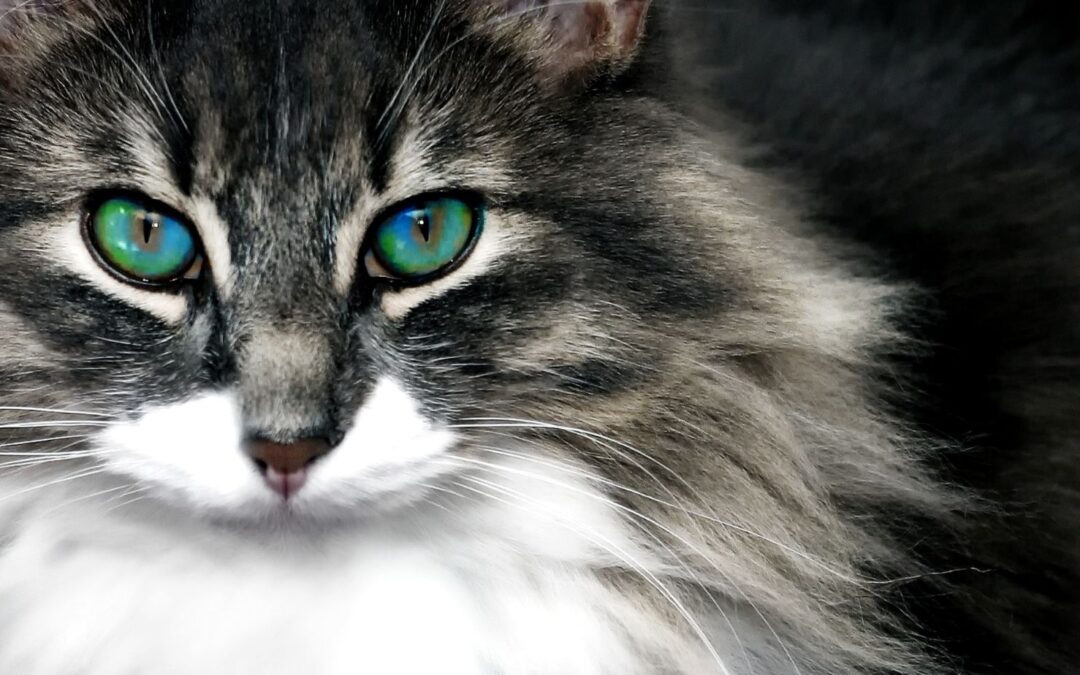
Cats are unique companions, full of personality, curiosity, and surprises. Even the most attentive pet owners may not fully understand the genetic makeup that influences their cat’s health, behaviour, and appearance. Advances in genetics now allow owners to explore this deeper layer of information through a dna test for cats, offering valuable insights that go beyond what is visible.
The Importance of Genetic Awareness
Many people associate DNA testing with purebred animals, but mixed-breed cats also benefit significantly from knowing their genetic background. Breed composition can affect coat type, energy levels, personality traits, and susceptibility to certain health conditions. For instance, some breeds are more prone to heart problems or kidney disease. When you understand these tendencies, owners can make informed decisions about preventive care, diet, and daily routines to help their pets live healthier lives.
Health Insights From a DNA Test for Cats
Modern feline genetic tests can reveal inherited health risks. These tests can identify markers for conditions such as hypertrophic cardiomyopathy, polycystic kidney disease, and progressive retinal atrophy. While carrying a genetic marker does not guarantee a cat will develop a specific condition, it provides a useful guide for proactive monitoring.
Owners may choose to schedule regular veterinary checkups, adjust nutritional plans, or implement lifestyle changes based on these insights, promoting long-term well-being.
Behaviour and Personality Traits
Genetics also contributes to behavioural patterns. Some cats are naturally more playful, curious, or sensitive due to inherited tendencies. Understanding these traits allows owners to create environments that suit their cat’s personality. For example, a high-energy cat may benefit from interactive play or puzzle feeders, while a more reserved cat might prefer quiet spaces and gradual introductions to new experiences. Recognising these traits helps foster a stronger bond between the cat and its owner.
Strengthening the Human-Cat Relationship
Beyond health and behaviour, genetic testing can enhance the emotional connection between pet and owner. Knowing a cat’s ancestry and evolutionary history adds depth to the human-animal relationship, transforming a companion into a unique individual with a documented genetic story. This is particularly meaningful for rescued or adopted cats whose background may otherwise be unknown, providing a sense of identity and insight into their unique traits.
Choosing a Trusted DNA Test for Cats
Selecting a reliable provider is essential to ensure accurate results and meaningful interpretation. One company specialising in feline genetics is Basepaws, which offers comprehensive testing designed for cats and contributes to ongoing research in veterinary science. Their tests analyse DNA samples to provide insights into ancestry, health markers, and breed composition. More information about the approach and services is available at Basepaws, where scientific methodology and data integrity are highlighted.
Resources for Feline Genetic Research
For those interested in learning more about animal genetics, authoritative sources provide valuable background information. The National Institutes of Health offers detailed explanations about genetic variations and their influence on health: NIH. Additionally, the American Veterinary Medical Association provides research-based guidance on feline health and veterinary care: AVMA.
The Value of DNA Testing in Modern Cat Care
As genetic testing becomes more accessible, it offers owners practical tools for proactive care. Home testing kits allow pet parents to collect samples conveniently, bringing advanced science into everyday cat care. This approach shifts pet ownership from reactive treatment to informed, preventive strategies, supporting longer, healthier lives for cats.
Genetic insights can guide nutrition, behavioural enrichment, and health monitoring. For breeders, this information is valuable in reducing the risk of hereditary conditions. For families and individual pet owners, it offers reassurance and a deeper understanding of a cat’s unique traits.
A Personalised Approach to Pet Care
Every cat carries a distinct genetic blueprint that shapes its behaviour, appearance, and predispositions to health conditions. Understanding this blueprint allows owners to tailor care in ways that promote wellbeing and deepen the human-animal connection.
As research in feline genetics continues to advance, DNA testing is likely to become an integral component of responsible cat ownership, not as a replacement for attention and care, but as a powerful tool for supporting a cat’s quality of life.