You can make dental health matter to your child by connecting it to things they care about — comfort, playtime, and looking after their smile. Explain why teeth matter in simple, concrete terms (like preventing pain, staying able to eat and speak, and keeping a bright smile) so your child understands the purpose behind brushing and flossing.
You’ll find practical ways to talk about family dental visits in Champaign IL, build positive daily routines, and turn learning into fun activities that stick. Use clear explanations, playful demonstrations, and small rewards to help your child adopt habits that protect their oral health for years.
Why Dental Health Is Important for Children
Good dental care sets up habits, prevents pain and infections, protects speech and eating, and reduces future dental costs. You’ll see how early routines affect growth, common childhood risks from neglect, and the ways oral health connects to overall physical and emotional wellbeing.
Long-Term Benefits of Good Oral Hygiene
When you teach your child to brush twice daily with fluoride toothpaste and floss once a day, you lower their lifetime risk of cavities and gum disease. Early habits reduce the need for fillings, root canals, or extractions later, and can cut down on costly orthodontic work by maintaining space and jaw alignment.
Healthy teeth support normal speech development and efficient chewing, which helps your child digest nutrients properly. Regular dental visits also let you catch problems like enamel defects or early decay when treatment is simpler and less invasive.
You also protect your child’s self-image. A healthy smile reduces the chance of teasing or social anxiety, which can influence school performance and peer relationships as they grow.
Risks of Poor Dental Care in Childhood
Skipping daily brushing, avoiding flossing, or missing dental checkups increases the chance of cavities, painful infections, and tooth loss. Untreated decay can lead to abscesses that require emergency care or antibiotic treatment, and can interfere with eating and sleeping.
Chronic dental problems may force dietary changes—avoiding crunchy or healthy foods—which can impair nutrition and weight gain. Poor oral health can also complicate orthodontic treatment later, making braces longer or more complex.
Behavioral effects matter: tooth pain can reduce concentration at school and increase irritability. Repeated dental infections may require sedation or hospitalization in severe cases, which are preventable with routine care.
How Oral Health Impacts Overall Well-Being
Oral infections create inflammation and bacteria that can affect other parts of the body. Maintaining gum health lowers the risk of systemic effects linked to chronic inflammation, such as compromised immune responses in vulnerable children.
Good oral habits promote consistent meal intake and clear speech, which affect growth and learning. They also build a routine of self-care and responsibility; children who manage their dental hygiene often adopt broader healthy behaviors like regular exercise and balanced eating.
Finally, timely dental care saves you money and stress. Preventive visits and sealants reduce the need for emergency procedures, keeping your child’s health stable and your family’s schedule predictable.
Tips for Discussing Dental Health With Kids
Focus on clear, simple explanations, engaging examples, and ways to invite your child to ask questions. Use tools and activities that match their age, attention span, and interests to make habits stick.
Using Age-Appropriate Language
Match words to your child’s developmental stage. For toddlers, use short sentences and concrete phrases like “brush away sugar bugs” or “teeth stay strong with toothpaste.” For preschoolers and early elementary kids, explain cause and effect: “If we brush two minutes twice a day, fewer cavities form.”
With older children, introduce basic anatomy—enamel, cavity, gum—and concrete consequences such as sensitivity or fillings. Avoid medical jargon unless you define it simply.
Keep tone positive and actionable. Give one or two clear steps per instruction (brush, spit, floss), and demonstrate each step so they can imitate rather than only listen.
Incorporating Storytelling and Visuals
Use short stories or characters to make dental care memorable. Create a recurring character (a brave tooth, a flossing superhero) and tell a 1–2 sentence scenario about how the character cares for teeth.
Add visuals: a two-minute sand timer, a picture chart, or a simple diagram showing where plaque hides. Let your child mark progress on a sticker chart after each successful brush.
Combine media: watch a 2–3 minute tooth-care video together, then practice what you saw. Visuals plus hands-on practice reinforce the message faster than talking alone.
Encouraging Questions and Conversation
Invite specific questions: “What part of brushing feels hard for you?” rather than “Any questions?” This prompts real answers and shows you take their concerns seriously.
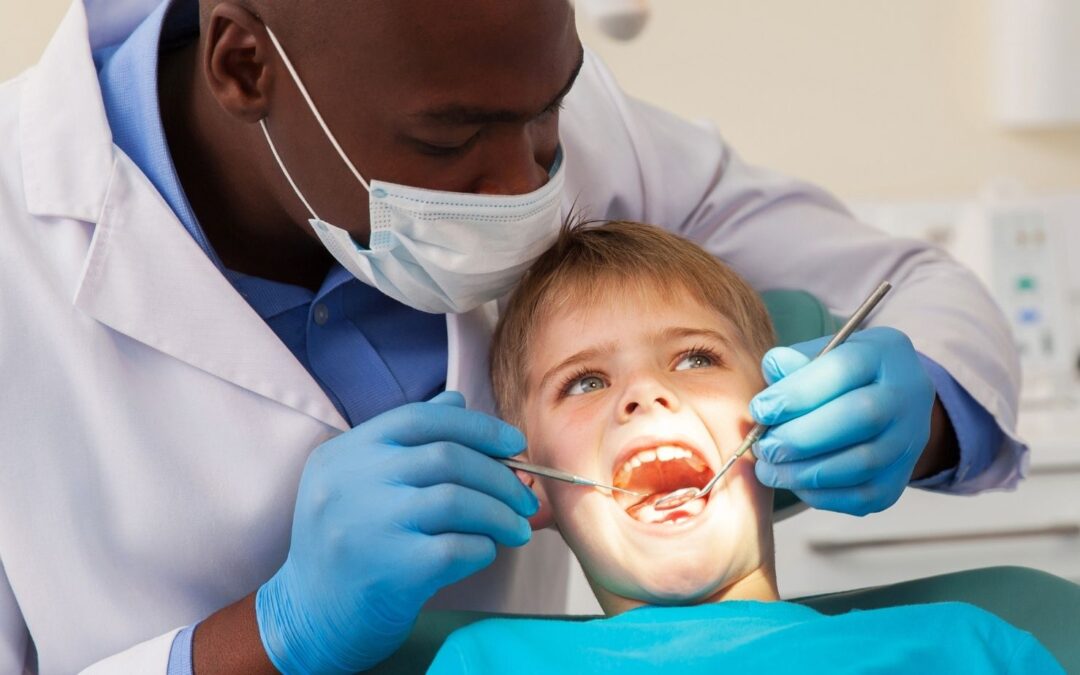
Respond to worries directly and honestly. If they fear the dentist, explain the steps of a typical checkup in 2–3 simple sentences and role-play the visit at home.
Use open prompts during routines: “Which flavor toothpaste do you like best?” or “Do you feel any sore spots?” These keep the topic active and help you catch problems early.
Making Dental Care a Positive Routine
Build a clear, predictable routine that fits your child’s day and use playful tools and the right products to make brushing and flossing small, successful tasks. Focus on timing, simple rewards, and items sized and flavored for children to keep them engaged and independent.
Setting a Consistent Oral Hygiene Schedule
Pick two daily times for brushing: one after breakfast and one before bed. Consistency helps your child know what to expect and reduces resistance. Use a visible schedule—hang a colorful chart at bathroom height and mark completed sessions with stickers or a washable marker.
Keep sessions short and age-appropriate. For toddlers, aim for about 2 minutes total with lots of praise. For older kids, let them track time with a 2-minute sand timer or a toothbrushing app that plays a song.
Make brushing part of broader routines. For example, tie brushing to pajamas and bedtime stories so it becomes a step in an established sequence. If your child resists mornings, start with a trade-off: brush first, then choose breakfast cereal or a small privilege.
Turning Brushing and Flossing Into Fun Activities
Use games and roles to turn oral care into a positive activity. Try “beat the plaque” where your child counts spots on a tooth model or “tooth superhero” where they protect teeth from sugar villains. Keep instructions concrete: show where to scrub and how many strokes per tooth.
Offer immediate, specific praise. Instead of “good job,” say “you brushed the back molars really well”—this reinforces the behavior you want. Introduce small, consistent rewards like earning 5 minutes of extra story time after a week of on-time brushing.
Make flossing a short, separate ritual with kid-sized flossers and a clear goal: remove the sticky stuff between two teeth. Teach by guiding their hands until they can do it alone. Rotate toothbrushes, toothpastes, or timers to renew interest when enthusiasm fades.
Choosing the Right Dental Products for Kids
Select a soft-bristled toothbrush sized for your child’s mouth and replace it every 3 months or sooner if bristles splay. For toddlers, use a toothbrush with a short handle and a small head; for older children, a themed brush can increase buy-in.
Pick fluoride toothpaste appropriate for age: a smear (rice-grain) for under 3, a pea-sized amount from age 3 to 6, and standard pea-sized for older kids. Choose flavors your child likes—mild mint or fruit—and avoid strong “adult” flavors that cause rejection.
Consider electric toothbrushes when your child can hold one safely; they often remove more plaque and make timing easier with built-in timers. Add child flossers and an illustrated tooth model for demonstrations. Always check product labels and consult your pediatric dentist if your child has special needs or frequent cavities.