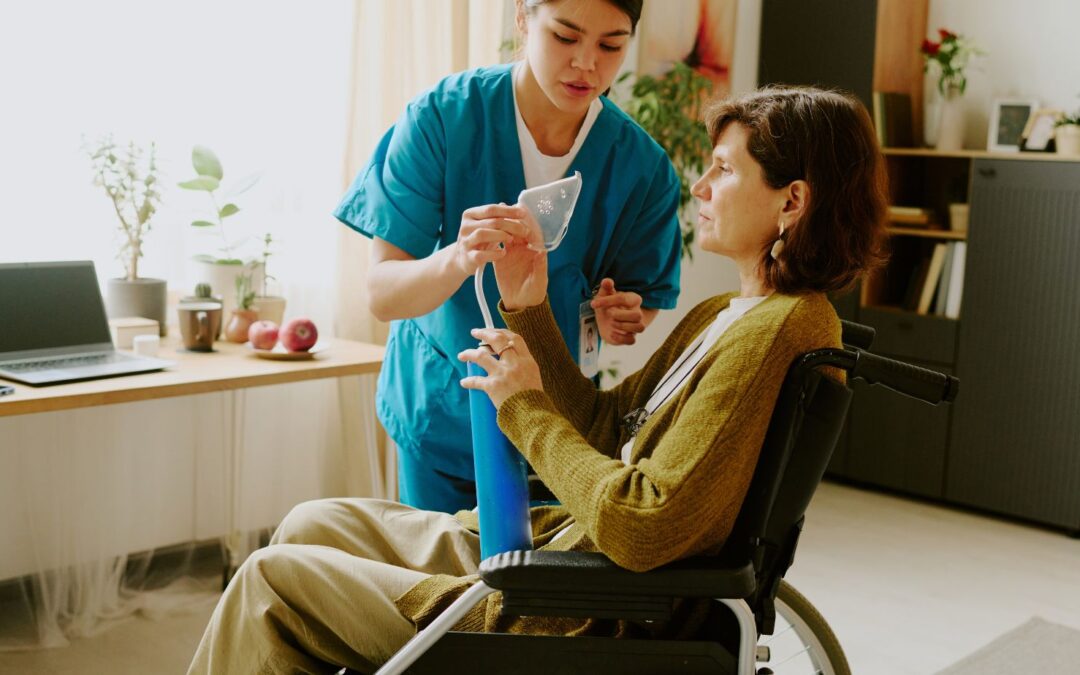
Assisted living represents a crucial bridge for seniors who require some level of support with daily tasks but wish to maintain maximum personal freedom and autonomy. It is designed specifically for individuals who cannot safely manage entirely on their own but do not require the intensive, round-the-clock medical care provided by a skilled nursing facility.
The core philosophy of this care model is to provide personalized, non-medical assistance that empowers residents to continue living active, fulfilling lives. The goal is to fill in functional gaps—such as medication management or dressing assistance—without dictating the resident’s schedule or lifestyle choices.
Choosing the right environment is vital for ensuring quality of life, dignity, and personal safety as needs change. By focusing on a balance of professional support and individual freedom, assisted living facilities offer a secure, social, and dignified pathway through the later stages of life.
Daily Support Without Full Dependence
Assisted living centers focus on providing help with what are known as Activities of Daily Living (ADLs). These commonly include bathing, dressing, grooming, using the restroom, and moving around the facility. This structured support removes the stress of functional challenges.
The support is typically provided on a scheduled, as-needed basis rather than constant supervision. Residents manage their own time, deciding when to wake up, eat meals, and participate in activities, thereby retaining a high degree of personal control and decision-making authority.
This balance is maintained through individualized service plans. A resident who only needs help with medication reminders may receive minimal assistance, while one who needs extensive support with mobility and dressing receives more frequent check-ins and hands-on aid, ensuring efficiency and tailored care.
Housing Design and Accessibility
The physical environment of assisted living communities is specifically engineered to enhance safety and accessibility without feeling institutional. Housing options usually consist of private apartments or suites with personal bathrooms, not hospital-style rooms.
Design features emphasize ease of use and reduced risk. This includes wide doorways, grab bars in bathrooms, emergency pull cords in all rooms, and level flooring throughout to prevent falls. The environment actively works to accommodate physical limitations, supporting independent movement.
Beyond the private quarters, common areas—such as dining rooms, libraries, and fitness centers—are designed to be welcoming, easy to navigate, and socially engaging. The comfortable, residential atmosphere contributes significantly to the residents’ emotional and psychological well-being.
Health, Wellness, and Routine Services
Assisted living services extend to proactive health and wellness management, going beyond basic daily assistance. This often includes coordination with external medical providers, ensuring residents get to and from doctor appointments efficiently.
A critical service is professional medication management, where trained staff ensure medications are taken on time and in the correct dosages, significantly reducing the risk of errors. This service is a major factor in maintaining resident health and stability.
Many facilities also offer on-site wellness programs, including physical therapy, exercise classes tailored for seniors, and nutritious, chef-prepared meals. These services are integrated into daily life, fostering a culture of holistic health and encouraging sustained independence.
Social Engagement and Community Life
One of the greatest benefits of assisted living is the built-in social environment, which combats the isolation and loneliness often experienced by seniors aging in place at home. Community life provides daily opportunities for connection and meaningful interaction.
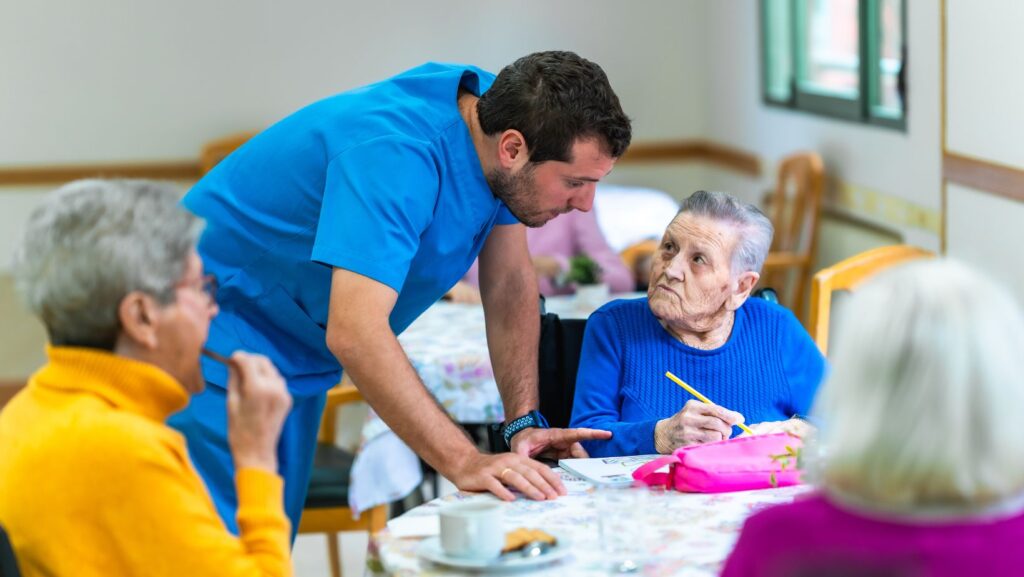
Facilities offer diverse calendars of social, recreational, and educational activities. These range from book clubs and organized outings to arts and crafts and musical performances, catering to a wide variety of interests and cognitive levels.
The communal dining experience itself serves as a vital social anchor, providing structured opportunities for residents to gather, share meals, and build relationships. This consistent social interaction is key to maintaining cognitive function and emotional well-being.
Adjusting Support as Needs Change
Assisted living is characterized by its flexibility and ability to adapt. As a resident’s physical or cognitive health needs evolve, the level of care and support provided by the facility is adjusted incrementally without requiring a disruptive move to a new location.
Staff continuously monitor residents’ health and functional status, updating their personalized service plans accordingly. This ensures that the support always matches the current need, whether that means adding assistance with meal preparation or increasing frequency of check-ins.
This adaptability guarantees continuity of care and allows residents to remain in their familiar community environment for a longer period. By providing a graduated level of support, assisted living successfully extends independence and maximizes the residents’ quality of life.