Accidents happen quickly when children play outside or explore the house. You likely feel a surge of adrenaline when your little one falls and starts crying. Staying composed helps your child feel safe during these moments of physical pain.
Your reaction sets the tone for the entire recovery process. Minor injuries provide a chance to teach your kids about body resilience and basic hygiene. Preparing yourself with knowledge allows you to handle skin injuries without unnecessary panic or stress.
Identifying the Severity
Check the wound immediately to see if it requires stitches or just a simple cleaning at home. Deep gaps in the flesh often need professional closure to heal correctly. Look at the edges of the skin to see if they stay apart when you move the limb.
Pulsing red liquid might indicate that the injury reached deeper blood vessels than a typical scratch. Apply firm pressure with a clean cloth for ten full minutes without lifting it to check progress. Call for medical assistance if the bleeding continues past that timeframe despite your efforts.
Cleaning the Area
Rinse the site with sterile saline to remove loose debris. Plain tap water also works well if you lack specialized supplies in your cabinet. Avoid the common mistake of pouring hydrogen peroxide directly into an open wound because it can damage healthy cells.
Most experts now suggest skipping rubbing alcohol for the initial wash because it causes intense stinging. You want to keep the experience as painless as possible to maintain a sense of peace. Use antiseptic wipes only on the surrounding skin rather than the raw center of the cut.
Assessing the Cause
A puncture wound from a sharp object requires different care than a wide, shallow scrape. These deep holes are harder to clean and trap bacteria underneath the surface. You should investigate what exactly caused the hole to determine the next steps.
Scratches from a rusty object carry specific risks that you must address with a professional. While rust itself does not cause disease, the environment where such items linger often harbors germs. Keep a calm demeanor while you gather these details for the doctor.
Preventing Infection
Apply a thin layer of antibacterial ointment to the area after it is clean and dry. This step creates a barrier against external contaminants during the first day of healing. You only need a tiny amount to cover the damaged tissue.
Some parents prefer using petroleum jelly to keep the wound moist without using medications. A moist environment actually helps skin cells migrate and close the gap faster. Choose the option that fits your family’s specific health preferences or doctor’s advice.
Covering the Wound
Place a gauze pad over larger areas that might rub against clothing or shoes. Secure the edges with medical tape to ensure it stays in place during naps or play. This extra cushion protects the sensitive new skin from further irritation.
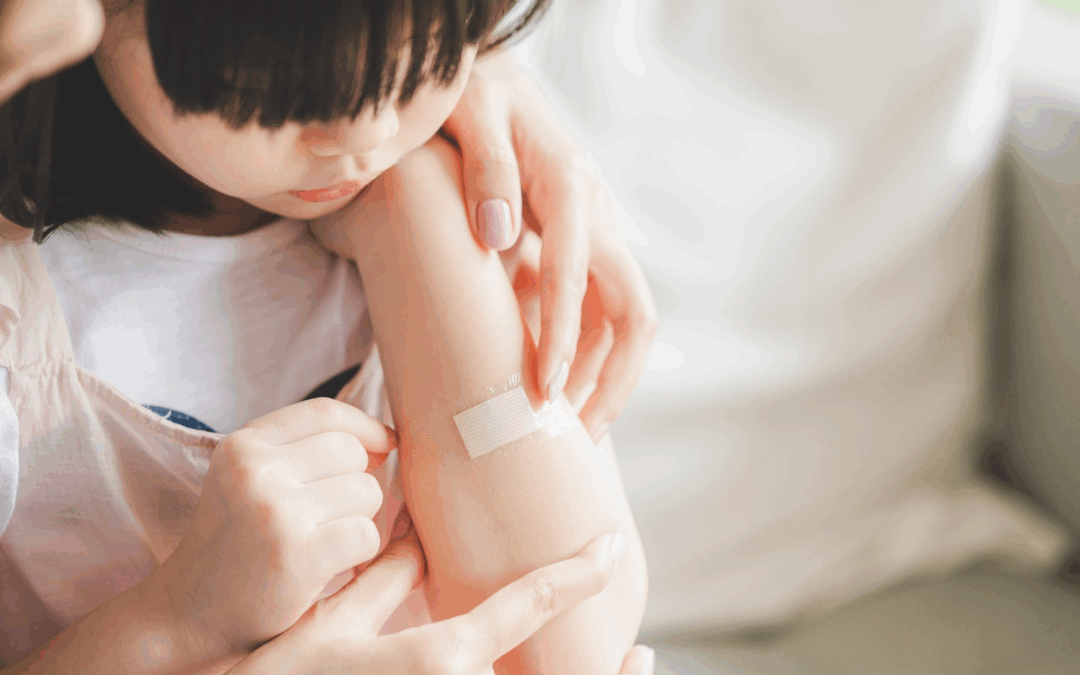
A standard adhesive bandage works perfectly for smaller nicks on fingers or toes. Change the dressing whenever it gets wet or dirty to keep the site pristine. Let your child pick a fun color to turn the medical chore into a positive choice.
Monitoring Recovery
Watch for signs of infection such as increasing redness, warmth, or yellow discharge over the next few days. A small amount of swelling is normal during the initial inflammatory phase. However, spreading red streaks requires an immediate trip to urgent care for evaluation.
Keep a close eye on your child’s temperature after an injury occurs. A fever sometimes indicates that the body is fighting a systemic issue related to the skin opening.

Managing Pain
Offer a cold compress to reduce swelling and numb the area naturally. The cold temperature provides immediate distraction from the stinging sensation of skin damage. Hold the pack in place for a few minutes while you read a favorite book together.
If the pain seems significant, consult a professional about appropriate dosages for over-the-counter relief. Always follow the specific instructions provided on the label or by a nurse. Rest often serves as the best medicine for a body busy with repairs.
Reviewing Immunizations
Check your records to see when your kid last received a tetanus shot to stay safe. This vaccination is standard but needs boosters at specific intervals throughout childhood. Most doctors keep these medical records updated in a digital portal for easy access.
Log in to your account or call the office to verify the dates. You want to stay current on all preventative measures to live healthy lives together. Keeping these documents organized saves time during an emergency situation.
Emotional Support
Talk your child through each step of the first aid process using simple words. Explaining what you are doing removes the mystery and fear from the treatment. Your steady voice acts as a powerful tool for emotional regulation.
Listen to their feelings about the accident without dismissing the fright they felt. Validate that getting hurt is unpleasant but temporary. You are building their confidence to handle future physical challenges with a brave face.
Future Prevention
Look around the play area for hazards that might cause more skin injuries in the future. Loose rugs or sharp-cornered tables often lead to predictable tumbles. You can make small adjustments to the environment to decrease daily risks.
Teach your children how to move safely around potentially dangerous items like glass or garden tools. Knowledge helps them take responsibility for their own physical safety as they grow. Safety education is a continuous conversation rather than a one-time lecture.
Conclusion
Handling household injuries becomes easier when you have a plan and the right supplies. You can transform a scary moment of pain into a quiet bonding experience through gentle care. Focused attention and basic medical steps promote fast healing for your little ones.
Maintain your first aid kit so you always feel ready for the next adventure. Your children will learn to approach their own health with the same calm logic you demonstrate today. Every healed scrape is a testament to the resilient nature of a growing body.