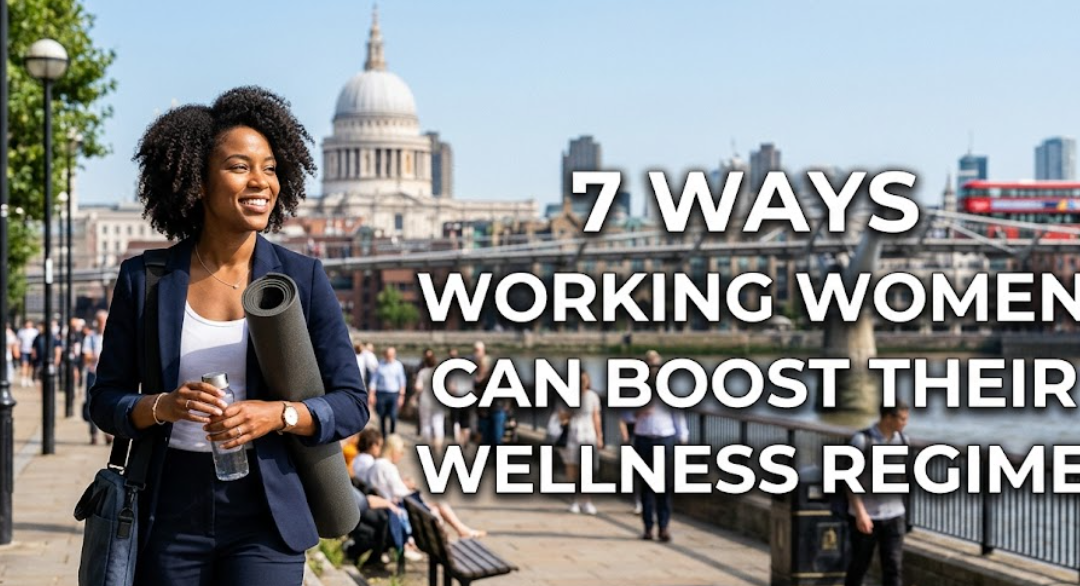
Balancing a career, personal responsibilities, and a social life leaves little time for self-care. Yet wellness is not a luxury for working women. It is the foundation that keeps everything else functioning. The good news is that boosting your wellness regime does not require a complete lifestyle overhaul. Small, consistent changes can make a profound difference to how you feel, perform, and recover. Here are seven practical ways to get started.
1. Explore CBD Flower as a Natural Wind-Down Tool
One of the most talked-about additions to modern wellness routines is CBD flower, and for good reason. After a demanding workday, many women are turning to hemp-derived CBD as a way to ease tension, support relaxation, and encourage better sleep without reaching for alcohol or prescription sleep aids.
CBD flower works by interacting with the body’s endocannabinoid system, which plays a role in regulating mood, stress response, and sleep. Unlike THC, it carries no psychoactive effect, meaning you can unwind without any impairment. You can brew it as a tea, use a dry herb vaporiser, or simply incorporate it into your evening routine as a quiet ritual in itself.
The key is sourcing from a retailer you can trust. If you are in the UK, shopping from a top rated cbd flower shop in the UK ensures you are getting a product that is lab-tested, EU-sourced, and compliant with UK standards. Look for batch-specific certificates of analysis and transparent sourcing information before buying. Quality matters enormously with CBD flower, and the difference between a well-sourced product and a poor one is felt immediately.
For working women who feel the mental load piling up by Thursday, a consistent CBD evening ritual can be a genuinely grounding practice.
2. Protect Your Sleep Like It Is Your Most Valuable Asset
No wellness strategy survives a chronic sleep deficit. Sleep is where your body repairs muscle tissue, consolidates memory, regulates hormones, and resets emotional resilience. Working women are disproportionately affected by poor sleep, particularly those juggling caregiving responsibilities alongside professional demands.
Start by treating your sleep window with the same seriousness you give a work deadline. Set a consistent bedtime, even at weekends. Keep your bedroom cool and dark. Avoid screens for at least 45 minutes before sleeping, and resist the temptation to check work emails after a certain hour in the evening.
If stress is the primary driver of poor sleep, address the root cause rather than just the symptom. Journalling before bed, a short breathing exercise, or a calming CBD tea can all help signal to your nervous system that the working day is genuinely over.
3. Build Movement Into Your Day Rather Than Around It
The idea of fitting a full gym session into an already packed schedule can feel impossible, and for many working women, that sense of impossibility becomes a reason to do nothing at all. The better approach is to stop treating movement as a separate event and start weaving it into what you already do.
Walk to a meeting rather than calling in. Take the stairs. Do ten minutes of stretching before your laptop opens in the morning. Use a lunch break for a brisk walk rather than scrolling through social media at your desk. These micro-movements accumulate across a week and contribute significantly to cardiovascular health, energy levels, and mood.
If you do have time for structured exercise, prioritise consistency over intensity. Three moderate sessions a week done reliably will serve your body far better than sporadic bursts of extreme effort followed by weeks of inactivity.
4. Rethink Your Relationship with Food at Work
What you eat during the working day has a direct effect on your concentration, mood stability, and energy. Many working women either skip meals when busy or default to convenient but nutritionally poor options when stress peaks.
Preparing even a simple lunch at home a few days a week gives you more control over what fuels your body during the hours you need it most. Focus on meals that combine protein, healthy fats, and complex carbohydrates, as this combination supports sustained energy rather than the spike-and-crash pattern that comes with sugary or heavily processed foods.
Hydration is equally overlooked. Mild dehydration is enough to reduce concentration and increase feelings of fatigue. Keep a water bottle visible on your desk as a simple prompt to drink consistently throughout the day.
5. Set Boundaries That Actually Hold
Wellness is not only physical. Emotional and psychological health are just as important, and for working women, one of the most damaging habits is the inability to switch off. The pressure to be available, responsive, and productive outside of working hours is real, but so is the cost of never fully resting.
Setting boundaries does not mean being less committed to your work. It means being sustainable in how you show up. This might look like turning off work notifications after a set time, communicating clearly with colleagues about your availability, or simply saying no to commitments that drain rather than energise you.
Over time, consistent boundaries reduce the low-grade anxiety that comes from feeling perpetually on call. That reduction in background stress is one of the most meaningful contributions you can make to your overall wellness.
6. Invest in a Mindfulness Practice You Will Actually Use
Mindfulness has accumulated a great deal of research support for its effects on stress, anxiety, and emotional regulation. The challenge for working women is finding a format that fits into real life rather than an idealised version of it.
The good news is that mindfulness does not require a meditation cushion or a 30-minute daily sit. It can be as simple as taking three slow, intentional breaths before a difficult meeting. It can be a five-minute body scan before sleep. It can be the deliberate choice to eat lunch away from your desk with full attention on the food in front of you.
Apps like Headspace or Calm offer short guided sessions that work well for beginners. The goal is not to achieve a perfect state of calm. It is to build the habit of returning to the present moment, which is a skill that pays dividends across every area of life.
7. Build a Social Wellness Circle
Isolation is one of the less discussed risks for high-achieving working women, particularly those who spend much of their day in professional mode. Genuine human connection, the kind where you are not performing or networking but simply present with people who know you, is a powerful wellness tool.
Research consistently links strong social connection with lower rates of anxiety and depression, better immune function, and longer life expectancy. Yet it is often the first thing to fall away when schedules get tight.
Prioritise at least one regular, low-pressure social engagement each week. It does not need to be a grand occasion. A regular walk with a friend, a standing dinner with family, or even a small community group built around a shared interest all count. The consistency matters more than the format.
Wellness for working women is not about adding more to an already full life. It is about making more intentional choices within the life you already have. Start with one or two of these strategies, build them into habits, and let the rest follow naturally.