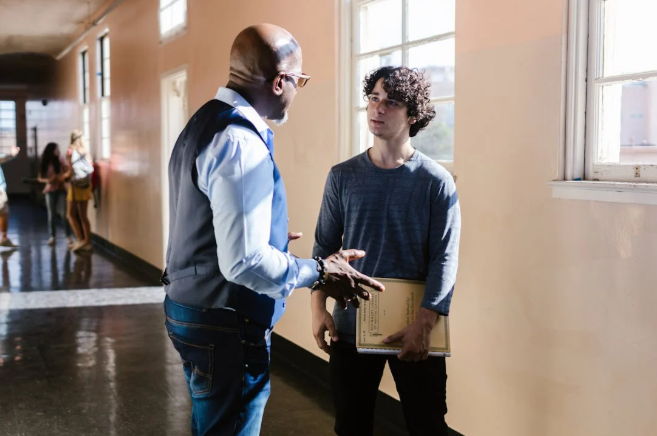
Students come to school with more on their minds than lessons and homework. Many deal with stress from social pressure, family issues, or mental health struggles that affect how they learn and interact. When these challenges grow, students may lose focus, feel disconnected, or act out in class. School counselors help students manage these concerns so they can succeed both emotionally and academically. Their work goes beyond scheduling classes. Counselors provide guidance, support, and practical tools that help students handle real-life problems. They listen, offer strategies, and connect students with resources when needed. Understanding their role shows how they help students thrive in ways that reach far beyond grades.
Helping Students Handle Everyday Stress
School life brings constant pressure, even for students who seem confident. Tests, deadlines, friendships, and high expectations can create stress that builds quietly. School counselors help students notice these feelings before they become overwhelming. They provide a space where students can talk openly without fear of judgment. Counselors also teach simple coping tools, such as organizing tasks, practicing calm breathing, or taking short mental breaks. Younger students may learn how to name their emotions, while older students may work on balancing responsibilities. In many schools, counselors who have pursued a masters of school counseling online can help students develop healthy ways to manage stress and stay grounded. This graduate training prepares counselors to understand student development, recognize emotional warning signs, and apply proven counseling approaches in real school settings. It also equips them to support students with both everyday pressures and deeper concerns. With the right guidance, students can feel calmer, more supported, and better prepared to succeed each day.
Supporting Emotional Growth in Key Years
Growing up involves constant emotional change. Students may struggle with confidence, frustration, sadness, or feeling misunderstood. School counselors guide students through these experiences in a healthy way. They help students understand what they feel and why it matters. Instead of reacting through anger or withdrawal, students learn better ways to express emotions. Counselors also support students dealing with personal challenges, such as family changes or low self-esteem. These conversations help students feel less alone. Over time, students build emotional awareness and stronger coping habits. Emotional growth affects learning, behavior, and relationships, so counselors play an important role in helping students develop skills that last beyond school.
Strengthening Friendships and Social Skills
Friendships shape much of a student’s daily experience. Positive relationships can boost confidence, while conflict or bullying can make school stressful. School counselors help students develop social skills that support healthy connections. They teach communication, empathy, and respectful problem-solving. Counselors often work with students who struggle with peer pressure, loneliness, or frequent arguments. Through guidance and practice, students learn how to handle disagreements without escalation. Counselors may also support group discussions that encourage kindness and inclusion. When students feel connected, they are more likely to attend school regularly and stay engaged. By strengthening social skills, counselors help create a safer environment where students feel valued and supported.
Being There During Serious Student Crises
Some students face challenges that go far beyond everyday stress. They may experience grief, trauma, unsafe home situations, or mental health emergencies. During these moments, school counselors provide critical support. They respond quickly, listen with care, and help students feel safe. Counselors know how to approach sensitive situations calmly and respectfully. They also connect students and families with outside professionals or community services when needed. Their goal is not discipline, but support and recovery. Having a trusted counselor available during a crisis can help students feel less alone and more understood. This support can make a real difference in helping students regain stability and continue moving forward.
Encouraging Better Choices and Positive Behavior
Students sometimes act out when they feel overwhelmed, frustrated, or unheard. School counselors help students understand the reasons behind their behavior instead of focusing only on punishment. They guide students in learning self-control, responsibility, and better decision-making. For example, a counselor might work with a student who struggles with anger or repeated classroom disruptions. Through regular conversations and goal-setting, students learn healthier ways to respond to challenges. Counselors also help students build confidence by recognizing progress, not just mistakes. This kind of guidance improves behavior over time and strengthens school relationships. When students feel supported, they are more likely to make choices that help them succeed.
Helping Every Student Feel Included
Many students struggle with feeling like they don’t fit in at school. Differences in culture, background, learning needs, or identity can affect a student’s sense of belonging. School counselors work to make sure students feel seen, respected, and supported. They listen carefully and help students talk through challenges without fear of judgment. Counselors also support school-wide efforts that promote kindness, respect, and inclusion. When students feel accepted, they are more likely to participate in class, build friendships, and stay engaged in school. Counselors often advocate for students who may feel overlooked. Creating a welcoming environment helps students feel safer and more confident during important years of development.
Working With Families as a Support Team
A student’s life outside school often affects how they behave and learn inside the classroom. School counselors understand that families play a major role in student success. They communicate with parents and caregivers to better understand student needs and challenges. Counselors may help families find resources such as mental health services, academic support, or community programs. They also guide parents through difficult situations like behavioral concerns, attendance issues, or emotional struggles. Counselors aim to build trust, not blame. When schools and families work together, students benefit from consistent support. This partnership helps students feel understood both at home and at school, which strengthens their overall well-being.
Guiding Students Toward Personal and Academic Goals
School counselors help students think about what they want to achieve, both in school and in life. This support goes beyond picking classes. Counselors work with students to set realistic goals, stay motivated, and make plans for improvement. For younger students, this may involve building study habits or learning responsibility. For older students, it may include preparing for graduation, managing time, or exploring career interests. Counselors also help students who feel stuck or discouraged find a clear next step. When students learn how to set goals and follow through, they gain confidence and direction. These skills support success not only in school but in future life decisions.
School counselors play a vital role in helping students thrive beyond academics. They support emotional health, social development, positive behavior, and long-term growth. Counselors help students manage stress, build strong relationships, feel included, and prepare for the future. Their work often happens through everyday conversations, steady guidance, and meaningful support during difficult moments. When students have access to counseling services, they gain tools that improve not only their school experience but also their lives beyond the classroom. School success involves more than grades. It requires confidence, stability, and a sense of belonging. School counselors help students develop these strengths so they can grow into healthy, capable adults.