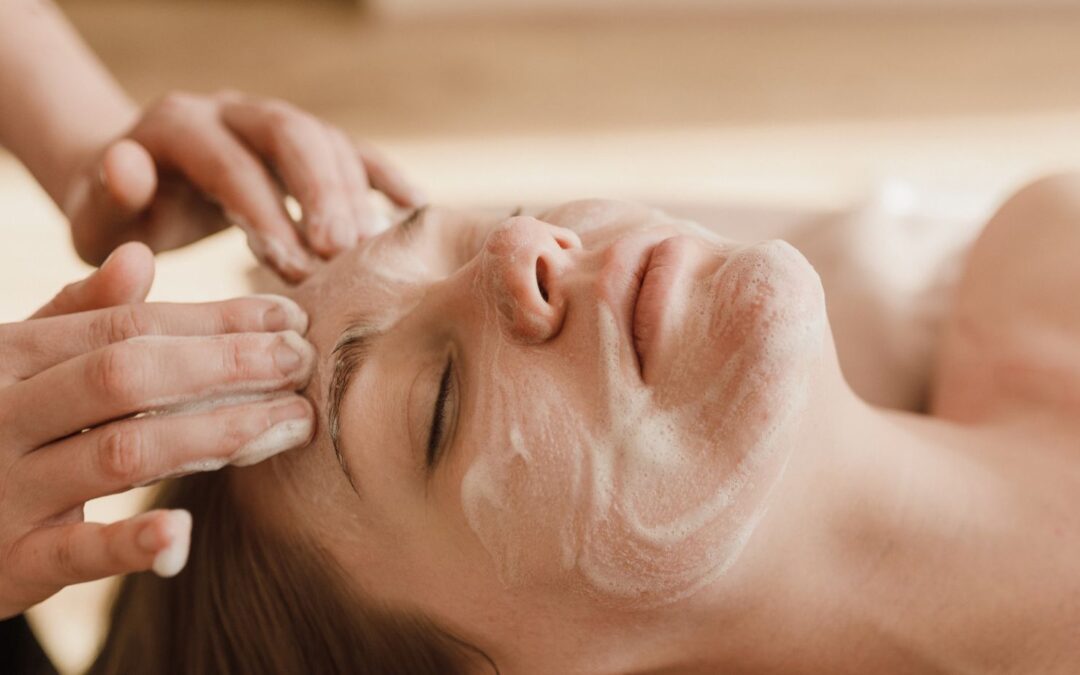
Women’s health conversations have expanded significantly in recent years, moving beyond silence and stigma toward openness, education, and empowerment. Skincare, once treated as a cosmetic concern, is now widely recognized as an important part of overall health. The skin reflects hormonal balance, stress levels, nutrition, and underlying medical conditions, making it a powerful indicator of wellbeing. When women are supported with accurate information and respectful care, they are better equipped to make confident decisions about their bodies and their health.
Why Skin Health Is a Women’s Health Issue
Skin is the body’s largest organ, yet its medical significance is often underestimated. For many women, skin changes are among the first visible signs of internal shifts, including hormonal fluctuations, chronic stress, or autoimmune conditions. Acne, pigmentation changes, dryness, and sensitivity can affect not only physical comfort but also self-esteem and mental health.
Recognizing skin health as a legitimate medical concern helps normalize the need for professional support. Women should not feel dismissed or pressured to manage persistent skin issues on their own without guidance.
The Emotional Impact of Skin Conditions
Skin conditions often carry an emotional burden. Visible symptoms can lead to self-consciousness, social withdrawal, or anxiety. These emotional effects are valid and deserve acknowledgment. When skin concerns are minimized, women may feel unheard or invalidated, compounding distress.
Empathetic care that addresses both physical symptoms and emotional experience fosters trust and encourages women to seek help earlier. This holistic approach aligns with broader goals of women’s health advocacy.
Access to Professional Guidance
Access to accurate medical advice is a cornerstone of effective skincare. While over-the-counter products can help with minor concerns, persistent or severe conditions often require professional evaluation. A skin consultation allows for personalized assessment, helping identify underlying causes and appropriate treatment pathways.
Consultations provide an opportunity to discuss medical history, lifestyle factors, and treatment expectations. This collaborative process empowers women to understand their options rather than relying on trial and error.
Navigating Misinformation in Skincare
The skincare industry is saturated with marketing claims and conflicting advice. Social media trends and influencer recommendations often prioritize aesthetics over safety or evidence. For women seeking real solutions, this landscape can be confusing and frustrating.
Medical guidance helps cut through misinformation. Evidence-based recommendations focus on safety, efficacy, and long-term outcomes rather than quick fixes. Encouraging women to seek credible sources supports informed decision-making.
Hormones, Life Stages, and Skin Changes
Hormonal shifts play a major role in skin health throughout a woman’s life. Puberty, menstruation, pregnancy, postpartum changes, and menopause all influence skin behavior. Acne, dryness, pigmentation, and sensitivity may appear or change during these stages.
Understanding that skin changes are often linked to natural life transitions reduces self-blame and frustration. Medical professionals can help distinguish between normal variations and conditions that require intervention.
The Role of Mental Health in Skin Wellbeing
Stress and emotional strain can directly affect the skin through hormonal and immune pathways. Chronic stress may exacerbate conditions such as eczema, psoriasis, or acne. Addressing mental health alongside skincare is essential for sustainable improvement.
Women’s health spaces that acknowledge this connection encourage integrated care. Supporting emotional wellbeing often enhances treatment outcomes and overall quality of life.
Personalized Treatment Over One-Size-Fits-All Solutions
Every woman’s skin is different. Factors such as genetics, environment, lifestyle, and existing health conditions influence how skin responds to treatment. Personalized care respects these differences and avoids unnecessary interventions.
Medical professionals tailor treatment plans based on individual needs rather than trends. This approach minimizes side effects and maximizes effectiveness, reinforcing trust in the care process.
Accessibility Through Digital Health Options
Digital healthcare has expanded access to professional support, particularly for women with limited time, mobility, or access to specialists. Online platforms now offer evaluations, follow-ups, and treatment plans that fit into busy lives.
Services providing prescription skincare online allow women to receive medically guided treatments without unnecessary barriers. When implemented responsibly, these options complement traditional care and enhance accessibility.
Balancing Convenience With Medical Oversight
While digital access improves convenience, medical oversight remains essential. Reputable platforms ensure consultations are conducted by licensed professionals who review medical history and monitor progress. This safeguards patient safety and treatment quality.
Women benefit most when convenience does not replace care, but rather enhances it. Responsible digital services maintain standards while meeting modern needs.
Encouraging Self-Advocacy in Healthcare
Empowerment begins with self-advocacy. Women should feel confident asking questions, seeking second opinions, and expressing concerns. Healthcare environments that welcome dialogue foster better outcomes and stronger patient-provider relationships.
Education plays a key role in self-advocacy. When women understand their bodies and treatment options, they are less likely to accept dismissive or inadequate care.
Breaking the Silence Around Women’s Health
Historically, women’s health concerns have been underrepresented in medical research and public discourse. Changing this requires open conversation, shared experiences, and accessible education. Platforms that center women’s voices contribute to cultural shifts toward equity and respect.
Skincare discussions, when framed as health conversations rather than vanity, help challenge outdated narratives and promote legitimacy.
Building Confidence Through Informed Care
Confidence grows when women feel supported and informed. Effective skincare treatment is not about perfection, but about comfort, health, and self-respect. When care aligns with individual needs and values, it becomes a form of empowerment.
Healthcare providers and platforms that prioritize education, transparency, and empathy help women build lasting confidence in their health decisions.
The Future of Women-Centered Skincare
As awareness grows, women-centered healthcare continues to evolve. Integrating dermatology, mental health, and digital access creates more inclusive and responsive systems. Ongoing research and advocacy will further refine best practices.
The future of skincare lies in personalized, respectful care that acknowledges the whole person rather than isolated symptoms.
Conclusion
Women deserve healthcare that listens, informs, and empowers. Skin health is an integral part of overall wellbeing, influencing both physical comfort and emotional confidence. By prioritizing education, access, and personalized care, women can make informed skincare decisions that support their health at every stage of life.