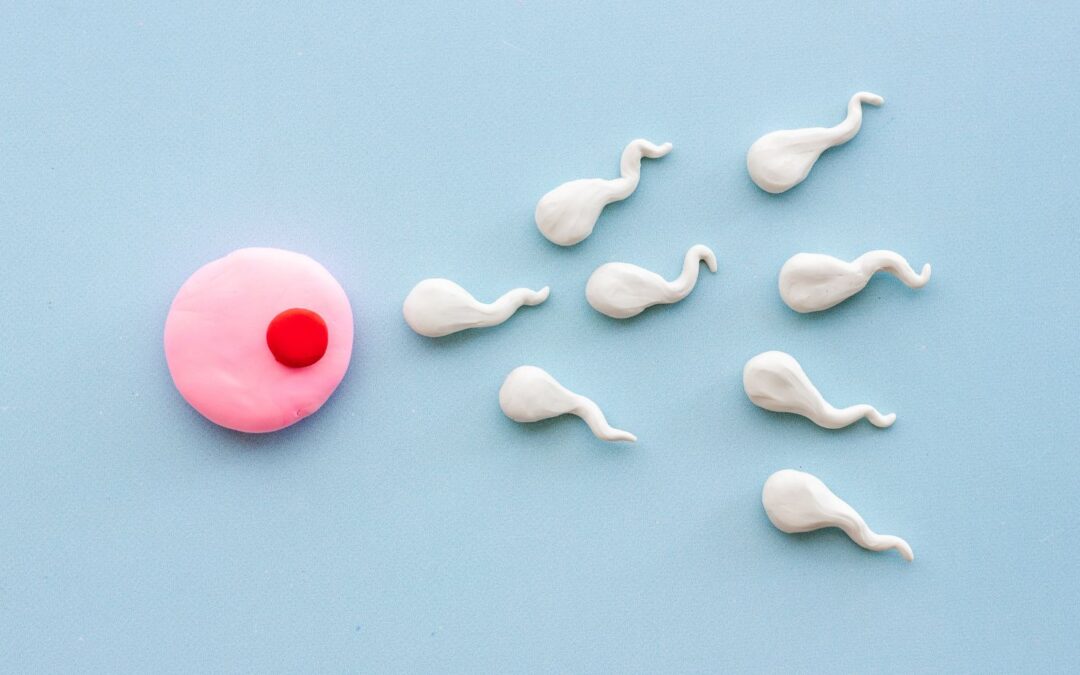
Monitoring reproductive health is an important aspect of overall well-being for many women. One tool that has gained popularity in recent years is the ovulation tracker. This simple yet effective tool helps individuals identify their fertile window, allowing them to make informed decisions about family planning or simply understand their menstrual cycle more thoroughly. Reliable tracking of ovulation can also provide insights into hormonal changes, potential irregularities, and overall reproductive health.
An ovulation tracker works by recording various signals from the body, such as basal body temperature, cervical mucus consistency, and hormonal changes. By analysing these patterns over time, women can predict when ovulation is likely to occur. This information is valuable not only for conception but also for identifying possible health concerns. For example, irregular ovulation can sometimes indicate underlying conditions such as polycystic ovary syndrome (PCOS) or thyroid disorders.
According to the Mayo Clinic, this information is valuable not only for conception but also for identifying possible health concerns. For example, irregular ovulation can sometimes indicate underlying conditions such as polycystic ovary syndrome (PCOS) or thyroid disorders.
How Digital Tools Simplify Tracking
Technology has made it easier than ever to track ovulation accurately. Mobile apps and online platforms provide convenient interfaces for logging symptoms, receiving predictions, and accessing educational resources. Miracare offers a user-friendly ovulation tracker. The system combines daily input from the user with scientific algorithms to predict fertile days, making the process simple and intuitive.
Using an ovulation tracker like Miracare empowers women to take control of their reproductive health. Unlike relying solely on calendar calculations, which can be inaccurate, these digital tools consider individual variations in cycle length and hormone fluctuations. Over time, users gain a clearer understanding of their bodies and patterns, which can be helpful for both planning pregnancies and identifying when something might be off.
Benefits Beyond Fertility
While many associate ovulation tracking primarily with conception, its benefits extend further. Tracking ovulation can help women understand patterns related to mood changes, energy levels, and other physical symptoms. For instance, some individuals notice shifts in sleep quality, appetite, or focus during different phases of their menstrual cycle. When keeping a record, patterns emerge that can inform lifestyle adjustments, dietary choices, and even exercise routines.
Furthermore, using an ovulation tracker can improve communication with healthcare providers. Having detailed data about cycle length, ovulation days, and symptom patterns allows gynaecologists and primary care physicians to make more accurate assessments and recommendations. According to American College of Obstetricians and Gynecologists (ACOG), tracking menstrual cycles can be a valuable tool in identifying irregularities that may warrant further evaluation.
Choosing the Right Tracker
Not all ovulation trackers are created equal, and choosing the right one is important. Considerations include accuracy, ease of use, and the type of data provided. A well-designed tracker will allow users to input a variety of symptoms, monitor trends over multiple cycles, and receive clear predictions without unnecessary complexity. Platforms like Miracare are designed with these factors in mind, offering both usability and scientific reliability.
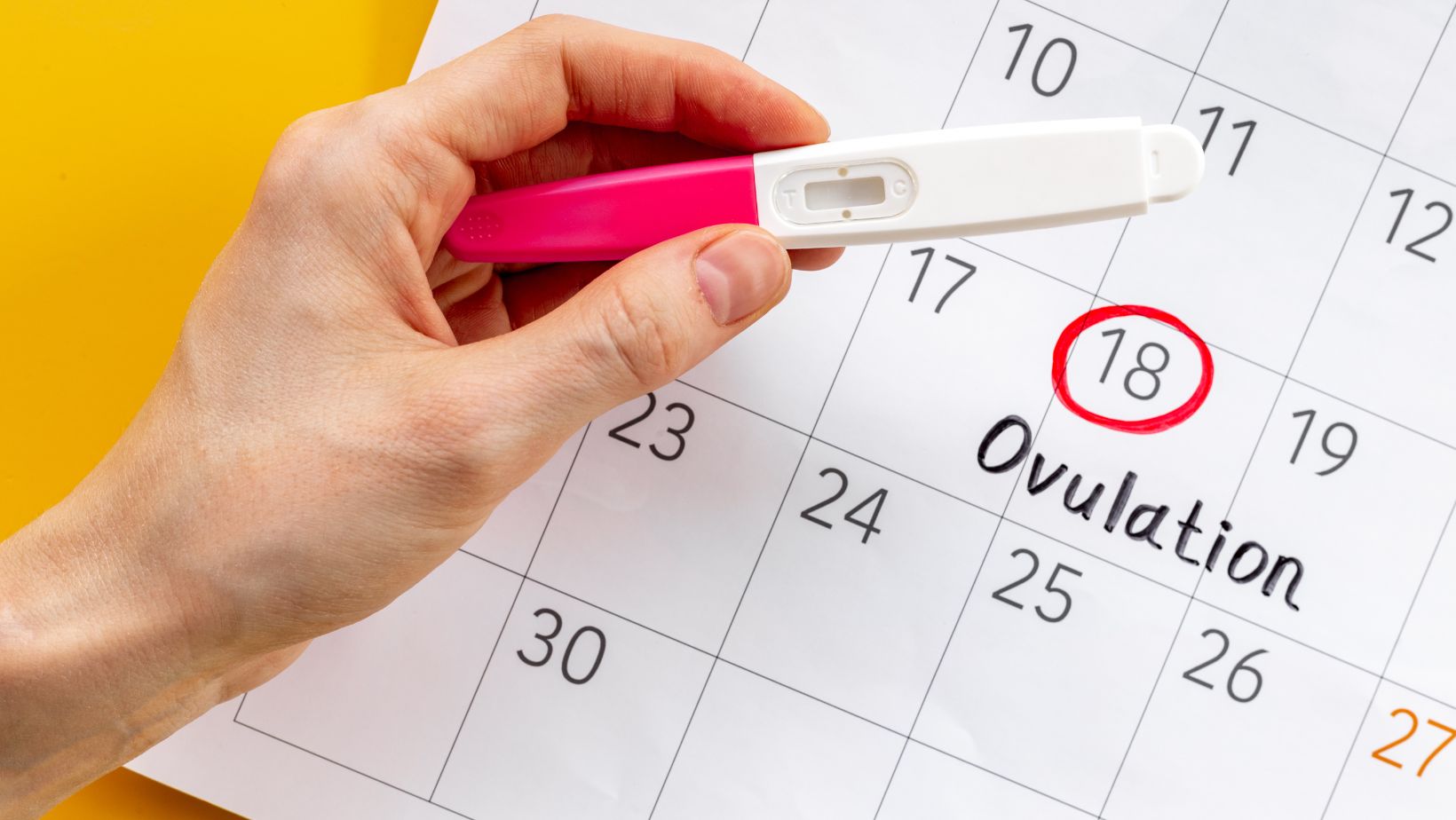
It’s also important to select tools that respect privacy and provide secure data management. Women sharing sensitive health information should feel confident that their personal information is protected. Trusted platforms follow strict privacy policies and employ encryption methods to safeguard user data.
Integrating Tracking Into Daily Life
Incorporating ovulation tracking into daily routines can be simple and manageable. Users are encouraged to log information consistently and observe any changes over time. Small habits, like measuring basal body temperature each morning or noting cervical mucus changes, contribute to more accurate predictions. Pairing these habits with educational content, such as that provided by Miracare, ensures users gain both practical and theoretical understanding of their reproductive health.
The long-term advantages of tracking ovulation extend beyond immediate fertility goals. By understanding hormonal fluctuations, women can make informed lifestyle decisions, recognise potential health issues early, and feel more confident in managing their overall well-being. This level of insight contributes to proactive health management, supporting a balanced and informed approach to daily life.
Conclusion
Using an ovulation tracker is a powerful step toward understanding reproductive health and fostering overall wellness. Miracare provides reliable, easy-to-use tools that integrate scientific principles with user-friendly features. Tracking ovulation helps women anticipate fertile periods, recognise patterns in their cycles, and identify potential health concerns early on.
Combined with insights from trusted resources such as Mayo Clinic and ACOG, these tools enable individuals to make informed, proactive choices about their health. By investing time in consistent tracking, women can achieve a clearer understanding of their bodies, contributing to long-term health and well-being.