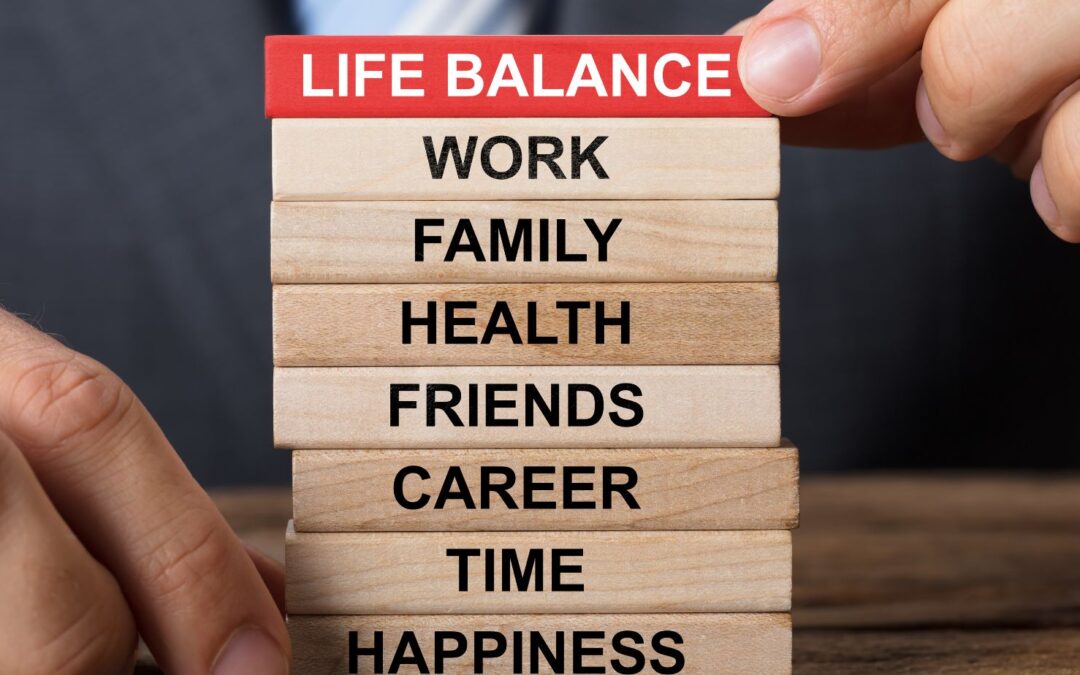
In today’s world, healthcare management is rarely an isolated, single-role responsibility. Many people managing health are also professionals, parents, spouses, and emotional pillars for their families. Medical professionals, especially those working in smaller practices, often carry both the clinical responsibility of care and the administrative workload that comes with it. In many households and care environments, this invisible labor disproportionately falls on women.
The emotional toll of managing health information builds quietly over time. It appears in missed appointments, forgotten test results, duplicated paperwork, and the constant worry that something important might be slipping through the cracks. This stress is not caused by a lack of care or attention. It stems from systems that were never designed around real human workflows.
As healthcare continues to grow more complex, the demand for digital tools that genuinely make life easier rather than harder has never been greater.
The Increasing Demand for a Smarter Health Care Organization
For many caregivers and healthcare professionals, health management still looks surprisingly analog. Paper lab results stored in folders, photos of medical notes saved on phones, handwritten summaries from physician visits, and separate patient portals that cannot communicate with one another remain common.
This fragmentation leads directly to stress. Important information becomes obscured or lost. Time that could be spent caring for patients or loved ones is redirected toward searching, updating, and reconciling records. Poor documentation is not only time-consuming but also error-prone, increasing cognitive load and mental fatigue.

Smarter healthcare organization does not mean digitizing everything for the sake of technology. It means reducing noise, creating continuity, and ensuring information is available exactly when it is needed. When systems are intuitive, they free mental space and allow people to focus on health itself rather than the logistics surrounding it.
Types of Digital Resources That Truly Matter
Not all digital tools are created equal. Some simply move existing problems from paper to screens without solving them. Others fundamentally change how healthcare feels on a daily basis. The tools that truly make a difference generally fall into a few practical categories.
Scheduling systems reduce missed appointments and minimize back-and-forth communication. When calendars sync properly and reminders are automated, caregivers and clinicians gain predictability and structure in their day.
Communication platforms offer secure messaging between patients, caregivers, and healthcare providers. Clear communication channels reduce anxiety, prevent misunderstandings, and ensure questions are addressed before they become urgent concerns.
Health record systems bring everything together. Instead of chasing information across paper files, patient portals, and memory, users can access histories, notes, and care plans in one cohesive place. Solutions like Canvas help unify these digital resources, ensuring information flows seamlessly and users can focus on care rather than chasing data. This category often has the greatest impact because it touches every part of the care journey.
The real value emerges when these tools work together seamlessly rather than existing as disconnected solutions.
Electronic Health Record Platforms Built for Modern Care
Electronic health record platforms sit at the center of modern healthcare organization, especially for clinicians who need to balance patient care with growing administrative demands. When designed poorly, they contribute to burnout and inefficiency. When designed well, they act as quiet support systems that enhance continuity and clarity.
In everyday clinical practice, many providers rely on solutions such as Elation Health EHR Software because it supports long-term patient relationships without forcing rigid or disruptive workflows. Instead of overwhelming clinicians with unnecessary complexity, it emphasizes usability, thoughtful documentation, and care continuity. Tools like this help reduce administrative strain, allowing providers to focus more fully on clinical decision-making and patient interaction rather than system navigation.
The true strength of effective electronic health records gastroenterology platforms lies not in flashy features, but in how naturally they integrate into real-world clinical routines. When records feel intuitive, they stop being a burden and become a foundation for better, more consistent care.
Why Ease of Use Matters More Than Features
Healthcare technology often promises innovation through extensive feature lists, but complexity does not guarantee success. In many cases, overly complicated systems are abandoned despite their potential power.
Ease of use directly affects burnout and adoption. When every task requires excessive clicks, manual workarounds, or constant retraining, frustration accumulates quickly. Caregivers and clinicians do not need tools that do everything. They need tools that do the right things simply and reliably.
Human-centered design focuses on how people actually work under pressure. Interfaces that feel natural reduce cognitive load and support presence, whether with a patient or a family member. Adoption improves not because users are forced to adapt, but because the system adapts to them.
In healthcare, usability is not a convenience. It is essential for sustainability.
Choosing the Right Tool for Your Practice or Care Environment
Choosing the right digital tool depends heavily on context. A solo practitioner has different needs than a multi-provider clinic. A caregiver managing care for one person will prioritize different features than someone coordinating care across multiple family members.
Practice size matters. Smaller teams often benefit from flexible systems that require minimal setup and support. Larger practices may need scalability, reporting, and collaboration features.
Patient demographics are equally important. Tools should align with how patients prefer to engage and communicate. Accessibility, clarity, and ease of interaction directly influence outcomes and satisfaction.
Long-term flexibility is often overlooked. Healthcare evolves, and digital systems should evolve with it. Platforms that allow gradual growth and adaptation tend to deliver more lasting value than rigid, one-size-fits-all solutions.
Conclusion
Digital tools have the power to reshape how healthcare feels day to day. When chosen thoughtfully, they reduce stress, improve care quality, and help people reclaim time and mental energy lost to disorganization.
For caregivers and healthcare professionals alike, smarter systems mean fewer interruptions, clearer information, and more room to focus on what truly matters. The right technology does not replace human care. It protects and sustains it.