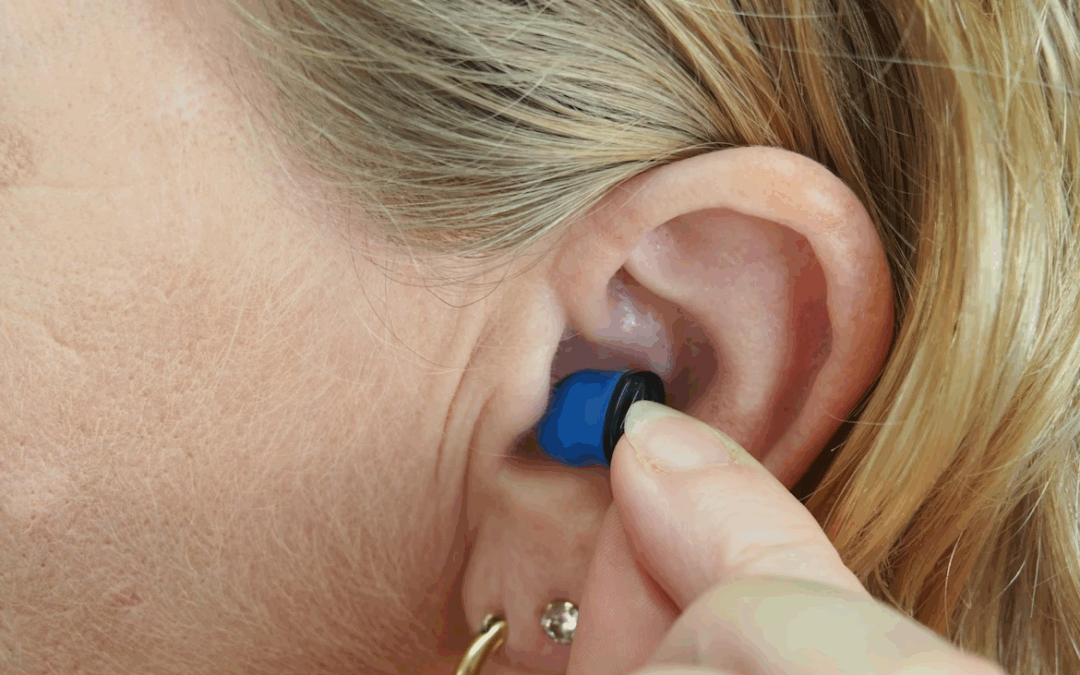
When hearing starts to slip, the change is often slow. You might ask people to repeat themselves, turn up the TV, or avoid noisy places because it feels exhausting to keep up. These small workarounds can chip away at easy, natural conversations.
Communication is more than just words. It relies on timing, tone, facial cues, and confidence. When any piece becomes harder to catch, the whole exchange can feel awkward. That is usually the moment when hearing trouble begins to interfere with daily life.
Early Clues You Might Be Missing More Than You Think
You may notice that voices sound fuzzy or mumbled, especially when more than one person is talking. Consonants like F, S, and T get lost first, so the sentence’s meaning becomes unclear. You start watching lips, not by choice, but because your brain wants backup.
Friends and family can be the first to speak up. They might comment that you keep saying “What?” or that your volume is too loud. It can be easy to brush off these comments, yet they serve as helpful early warnings. Listening to patterns across settings tells you more than one tough dinner.
Many people report feeling more tired after conversations. Extra listening effort taxes attention and memory. When your brain works harder to decode sound, it has less energy for choosing words or catching humor. That is when quick chats begin to feel like a chore.
When Misunderstandings Start To Pile Up
Misheard words lead to replies that miss the mark. Jokes fall flat or spark confusion. People may switch to short answers, and discussions feel thin. This slow drift can affect relationships at home and at work.
You might find yourself nodding along without catching the details. It seems polite at the moment, yet it can backfire later. Tasks get missed, plans go sideways, and trust takes a hit. Honest check-ins and simple repeats can prevent small gaps from becoming big gaps.
A recent report from the American Speech-Language-Hearing Association noted that most adults who face communication challenges recognize the impact those difficulties have on their lives. That insight matters because awareness is the first step toward change. It suggests that naming the problem opens the door to practical fixes.
Finding The Right Help Nearby
If you notice these patterns, a hearing check is a practical move. Basic tests are quick and painless. They measure how well you detect tones and understand words in quiet and in noise. Results guide next steps, from communication tips to device options.
Scheduling with a trusted provider makes a real difference. The care plan should fit your habits, goals, and budget. Many clinics offer trials, remote support, and follow-ups to fine-tune settings as your ears and brain adapt. This is a process, not a single visit.
You might start with your family doctor. It can also help to search for Toronto audiology specialists who focus on day-to-day communication. A timely fit leads to better outcomes at home and at work.
How Hearing Trouble Affects Work And Daily Tasks
Meetings can feel like wading through static. You catch the headline but miss the nuance that drives decisions. Video calls add another layer with lag, mixed audio levels, and side conversations in chat. The result is more effort for less clarity.
Phone calls are another hurdle. Without visual cues, the brain has only sound to lean on. Accents, fast talkers, or poor connections add friction. Many people shift to texting or email, which helps but cannot replace real-time talk.
Written backups still help. Request key points in a brief follow-up message. Use captions on calls when possible. These steps do not replace hearing care, but they can lower daily stress while you figure out the next steps.
What Partners, Family, And Friends Can Do
Good conversations are shared work. Face the person, speak clearly, and slow down just a bit. Clear pauses between ideas give the listener time to process. You do not need to shout. Louder is not always clearer.
Check in without blame. Try questions like, “Would it help if we moved to a quieter room?” or “Should I repeat that name and time?” Supportive habits build confidence on both sides. They make gatherings more relaxed for everyone.
When the listener uses devices, let them lead. Ask what helps: a certain seat, captions on TV, or a short text with key details. Respecting preferences shows care and reduces the pressure to pretend everything is fine.
Practical Ways To Make Conversations Clearer
Plan the setting. Choose spots with soft furnishings that absorb sound. Sit away from kitchens, speakers, or open doors. Position yourself so light falls on faces, not behind them.
Use plain language and chunk information. Short sentences are easier to catch. When sharing plans, say the who, what, when, and where. If a point is key, say it twice in different words. Rephrasing often works better than repeating the same line.
Leverage helpful tech. Turn on captions, use amplification in group talks, and try live-transcription apps when needed. These tools are not crutches. They are ramps that make everyday speech more accessible for more people.
When It Is Time To Consider Hearing Technology
If you struggle in quiet settings or with one-on-one talks, devices may be worth a try. Today’s options are small, smart, and adjustable. Many pair with phones for calls, music, and fine controls.
Fitting is personal. Two people with similar test results may choose different paths. The goal is comfort, clarity, and low effort across the places you live and work. Expect a period of training as your brain relearns soft sounds.
Follow-up care matters as much as the first fit. Regular check-ins can dial in settings for restaurants, meetings, and travel. Small tweaks add up to big wins in real-world listening.

Every day talk connects us to the people and plans that matter most. If you have noticed a new effort in simple chats, trust that signal. Small steps today can restore ease, lower stress, and bring back the flow of conversation.
You do not have to figure it out alone. With the right support, you can hear more, guess less, and enjoy the back-and-forth that makes life feel close and clear.