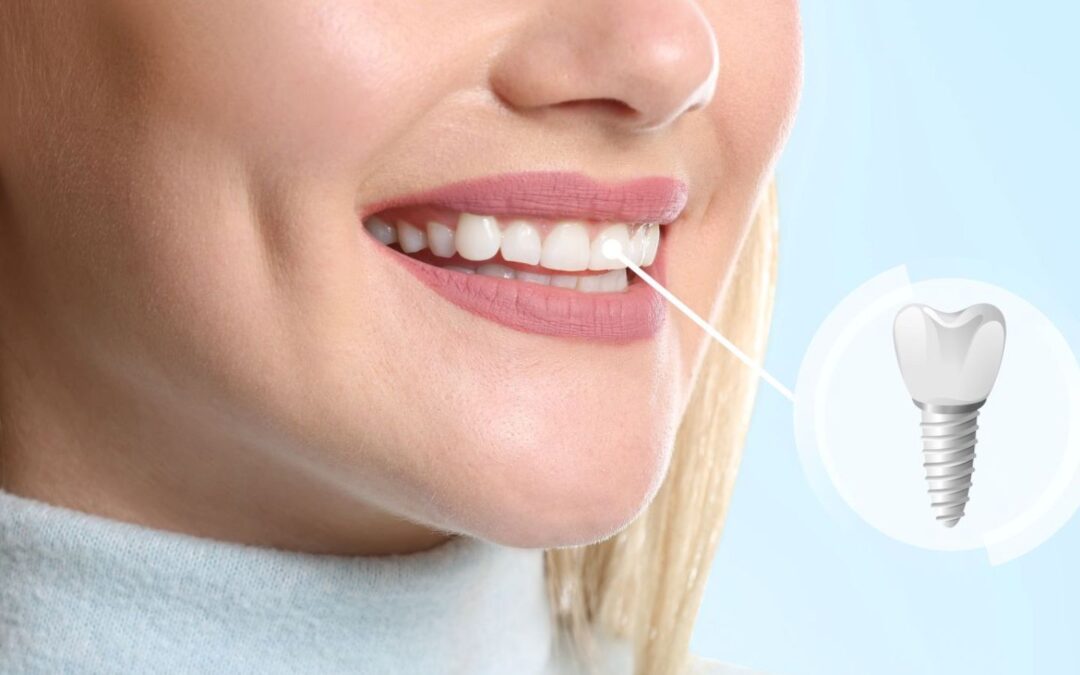
The decision to pursue dental implants can be a significant step towards restoring oral health, function, and confidence. While implants are a universally effective solution, women have unique physiological and lifestyle considerations that can influence the treatment process and outcomes. A comprehensive understanding of these factors can ensure informed decision-making and pave the way for a successful, long-lasting result.
This guide outlines crucial information every woman should consider before committing to this transformative dental procedure.
Understanding Hormonal Influences on Oral Health and Healing
A woman’s hormonal landscape fluctuates throughout her life, impacting gum health and the body’s healing capacity. Estrogen and progesterone can increase blood flow to the gums, making them more sensitive to plaque and bacteria. This can elevate the risk of peri-implantitis, a destructive inflammatory condition affecting the tissues surrounding an implant. Furthermore, hormonal shifts, particularly during puberty, menstruation, pregnancy, and menopause, can affect the body’s inflammatory response and bone metabolism.
During pregnancy, elective procedures like implant placement are generally postponed due to the risks associated with anesthesia and stress on the body. Post-menopause, the decline in estrogen is directly linked to bone loss, which can compromise the density of the jawbone necessary to support an implant. A thorough consultation with a dental professional will include an assessment of these factors, potentially involving collaboration with a physician to ensure optimal timing and preparatory care.
The Critical Role of Bone Density and Health
Jawbone density is the foundational requirement for a successful dental implant. Following tooth loss, the bone beneath begins to resorb, a process that can accelerate in women after menopause due to osteoporosis or osteopenia. Certain medications used to treat these conditions, such as bisphosphonates, also require special consideration as they can affect bone healing.
A detailed three-dimensional CT scan is essential to evaluate the quantity and quality of available bone. If bone loss is significant, supplemental procedures like bone grafting or sinus lifts may be necessary to create a stable foundation. Women should openly discuss their full medical history, including any diagnoses of bone density issues and current medications, with their implant dentist to develop a safe and effective treatment plan.
Lifestyle, Maintenance, and Long-Term Commitment
A dental implant is a long-term investment that demands an equal commitment to maintenance. Excellent oral hygiene is non-negotiable as specialized tools like interdental brushes and water flossers are typically recommended to clean thoroughly around the implant abutment. Smoking can be a significant risk factor for implant failure, as it constricts blood vessels and impedes healing. Cessation is strongly advised before undergoing surgery.
Regular professional cleanings and check-ups, typically every six months, are imperative. These visits allow the dental team to monitor the health of the implant, the surrounding bone, and gum tissue, addressing any minor issues before they become complex problems. For many, investing in this permanent missing tooth solution offers unparalleled stability, but its permanence is contingent upon consistent, dedicated care.
Navigating Life Stages: From Family Planning to Menopause
Life stage planning is a distinctive aspect of a woman’s healthcare journey, and dental implant treatment should be integrated thoughtfully. Below are some life stages to consider:
Family Planning
For women considering pregnancy, it’s advisable to complete any major dental surgical procedures beforehand. The ideal timeline allows for full healing and osseointegration, the process where the implant fuses with the jawbone before conception.
Motherhood
For new mothers, particularly those breastfeeding, scheduling and recovery for dental surgery require additional logistical planning. Discussions about anesthesia and any necessary postoperative medications are also crucial.
Menopause and Beyond
As noted, this stage brings considerations about bone health and dry mouth (xerostomia), a common side effect of various medications that can increase cavity risk in natural teeth and challenge oral hygiene around implants.
Aesthetic Expectations and Design Considerations
Women often have specific aesthetic goals for their smiles, extending beyond mere function. The design of the implant crown, including its shape, color, translucency, and the contour of the surrounding gum line, requires meticulous attention. The aim is to create a restoration that looks completely natural, complementing facial aesthetics and the characteristics of adjacent teeth.
Some factors, such as gum tissue thickness and smile line, are carefully evaluated. A skilled prosthodontist or implant dentist will prioritize a collaborative approach, using digital smile design tools and wax models to preview the anticipated result, ensuring it meets the patient’s expectations before the procedure begins.
Financial Investment and Planning
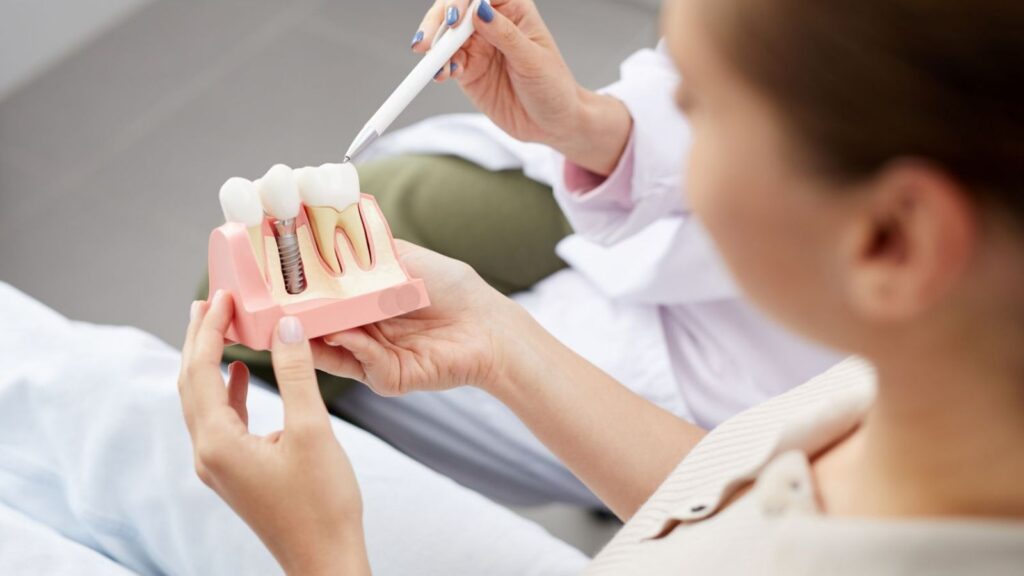
The cost of dental implants is higher than that of other tooth replacement options, reflecting the surgical expertise, advanced technology, and quality materials involved. The total investment covers the implant post, the abutment, the custom crown, and any necessary preliminary procedures like extractions or bone grafts. While dental insurance coverage for implants varies widely, many practices offer flexible financing plans or payment options to make the treatment more accessible. Obtaining a detailed written treatment plan and cost estimate is an essential step in the preparatory process.
Selecting the Right Dental Professional
The success of an implant procedure can depend significantly on the skill and experience of the dental team. It’s prudent to seek a dentist or specialist with extensive training and a proven track record in implantology.
During consultations, patients should feel empowered to ask about the dentist’s experience, view before-and-after portfolios of similar cases, and inquire about the technology used for planning and placement. A trustworthy provider will thoroughly explain all phases of treatment, discuss potential risks, and outline a clear postoperative care protocol.
Key Takeaway
For women contemplating this path, dental implants represent a profound opportunity to reclaim a confident smile and optimal oral function. By keeping the information mentioned above in mind, individuals can approach the process with clarity and confidence. An open dialogue with a qualified dental professional is the cornerstone of a successful journey, ensuring that this advanced restorative treatment is tailored to meet both the biological and personal needs of the patient.