Vein issues are more than just a cosmetic concern—they can significantly impact overall health and daily comfort. As more individuals seek both relief from symptoms and proactive care, understanding vein health becomes increasingly important. For those looking for trusted, professional treatment, Metro Vein Clinic offers comprehensive evaluations and personalized care options.
This article explores the causes and symptoms of common vein conditions, available treatment types, the importance of choosing a reliable treatment center, and essential post-treatment care. By prioritizing expert care and informed decision-making, patients can achieve lasting relief and improved quality of life.
Understanding Vein Issues: Causes and Symptoms
Vein problems can manifest in various forms, ranging from spider veins to more severe conditions like varicose veins or deep vein thrombosis (DVT).
Causes of Vein Issues
The primary causes of vein issues include:
- Genetic Factors: A family history of vein problems can increase susceptibility.
- Age: With aging, veins may lose elasticity, leading to valve malfunctions.
- Lifestyle Choices: Sedentary lifestyles or prolonged standing can exacerbate vein issues.
- Hormonal Changes: Hormonal fluctuations during pregnancy or menopause can impact vein health.
Symptoms to Look Out For
Recognizing symptoms early can lead to effective intervention. Typical signs of vein issues include:
- Swelling in the legs
- Pain or aching in the affected area
- Itching or burning sensation
- Visible veins or discoloration of skin
By understanding these causes and symptoms, individuals can seek preventive measures or treatments at the right time.
Types of Vein Treatments Available
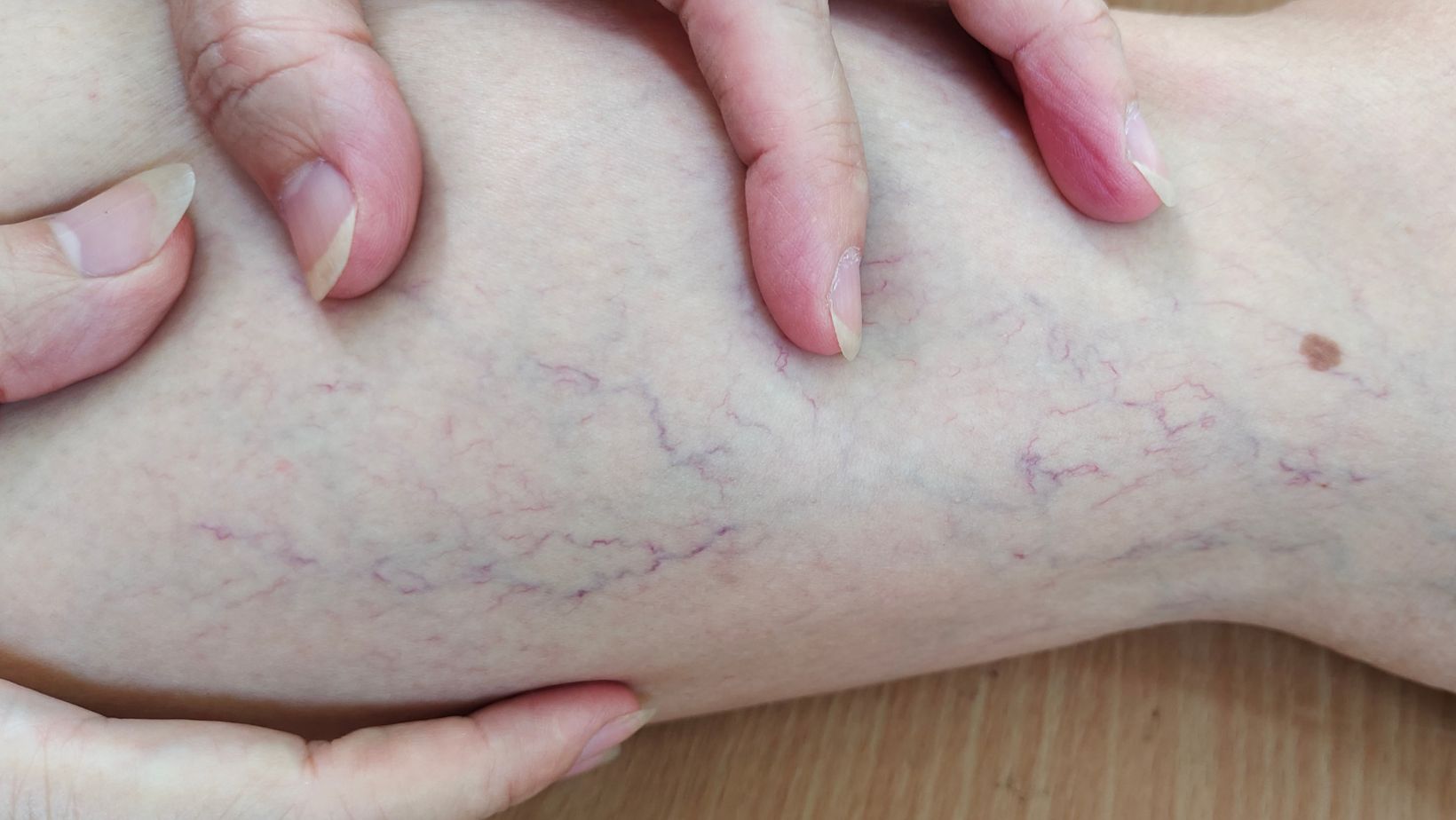
Various treatments are available to address vein issues, each tailored to the severity of the condition.
Minimally Invasive Treatments
- Endovenous Laser Treatment (EVLT): A laser fiber is inserted into the vein, sealing it off while letting blood reroute through healthy veins.
- Radiofrequency Ablation (RFA): Similar to EVLT but uses radiofrequency waves to heat and close affected veins.
Surgical Options
For severe cases, surgical intervention may be necessary:
- Ambulatory Phlebectomy: Small incisions are made to extract surface veins.
Understanding the array of treatment options allows individuals to work closely with their medical professionals to choose the most suitable course for their specific conditions.
Importance of Choosing Trusted Treatment Centers
Selecting the right treatment center is crucial for effective vein care. A trusted center not only offers state-of-the-art technology but also prioritizes patient care.
Factors to Consider
- Qualified Professionals: Look for board-certified specialists experienced in treating vein issues.
- Treatment Options: A comprehensive facility provides a range of treatments to tailor interventions based on individual needs.
- Patient Reviews & Outcomes: Researching testimonials and success rates can provide insight into the center’s effectiveness.
A trusted treatment center provides peace of mind, ensuring that patients receive high-quality care that aligns with their health goals.
What to Expect During Vein Treatment
Understanding the process of vein treatment can help alleviate concerns and prepare patients for what lies ahead.
Initial Consultation
During the first visit, a thorough assessment will be conducted. Patients can expect:
- Detailed medical history evaluation
- Physical examination of the affected areas
- Diagnostic tests, such as an ultrasound to evaluate vein function
Treatment Day
Depending on the chosen method, treatments vary:
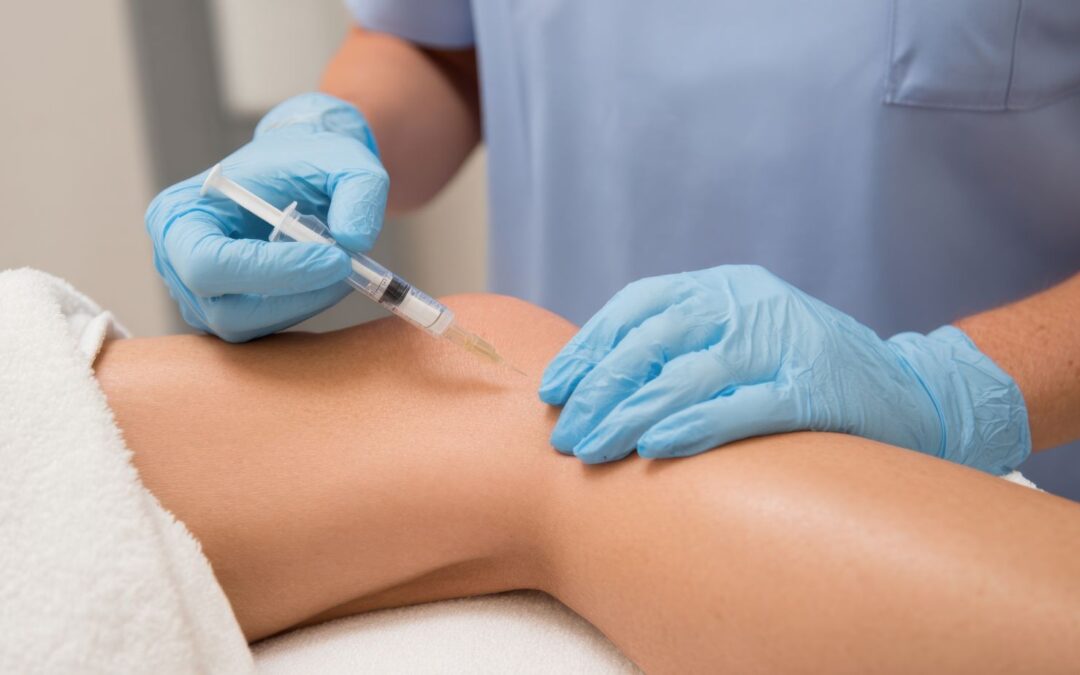
- Sclerotherapy: Generally takes about 15-30 minutes with minimal discomfort.
- Laser Treatments: Performed in an outpatient setting, patients can typically resume their daily activities afterward.
After Treatment
Post-treatment, patients might experience mild side effects such as swelling or bruising. These symptoms typically resolve quickly, with regular follow-ups scheduled for monitoring progress.
Post-Treatment Care and Wellness Tips
After undergoing vein treatment, prioritizing proper care and lifestyle adjustments can enhance results and promote healing.
Essential Post-Treatment Care
- Follow the Doctor’s Instructions: Adhere to the guidelines provided for the best recovery.
- Maintain Compression Garments: They improve circulation during recovery within the first few weeks.
- Avoid Strenuous Activities: Steering clear of heavy lifting or intense workouts helps prevent complications.
Wellness Tips
- Stay Hydrated: Proper hydration supports overall vascular health.
- Engage in Light Exercises: Walking or gentle leg exercises can promote circulation.
- Healthy Diet: Incorporate foods rich in fiber and antioxidants to bolster vein health.
The Role of Lifestyle Changes in Vein Health
To ensure lasting wellness, lifestyle changes play a critical role in vein health.
Regular Physical Activity
Incorporating moderate exercises into daily routines enhances circulation, reduces the risk of clots, and strengthens vascular walls.
Healthy Weight Management
Maintaining a healthy weight alleviates pressure on veins. By managing weight, individuals reduce strain on their circulatory system.
Balanced Diet
Adopting a diet that promotes vein health, rich in whole grains, leafy greens, and omega-3 fatty acids, supports vascular function. Avoiding excessive salt and processed foods also plays a vital role.
Conclusion
Vein health is paramount, especially as age and lifestyle factors contribute to increasing issues. Understanding the causes and treatment options can empower individuals to make informed decisions about their health. Trusted treatment centers offer not only advanced therapies but also the support needed for effective recovery. By embracing recommended post-treatment care and adopting positive healthy lifestyle changes, patients can achieve a greater sense of wellness and lasting relief from vein-related discomfort.