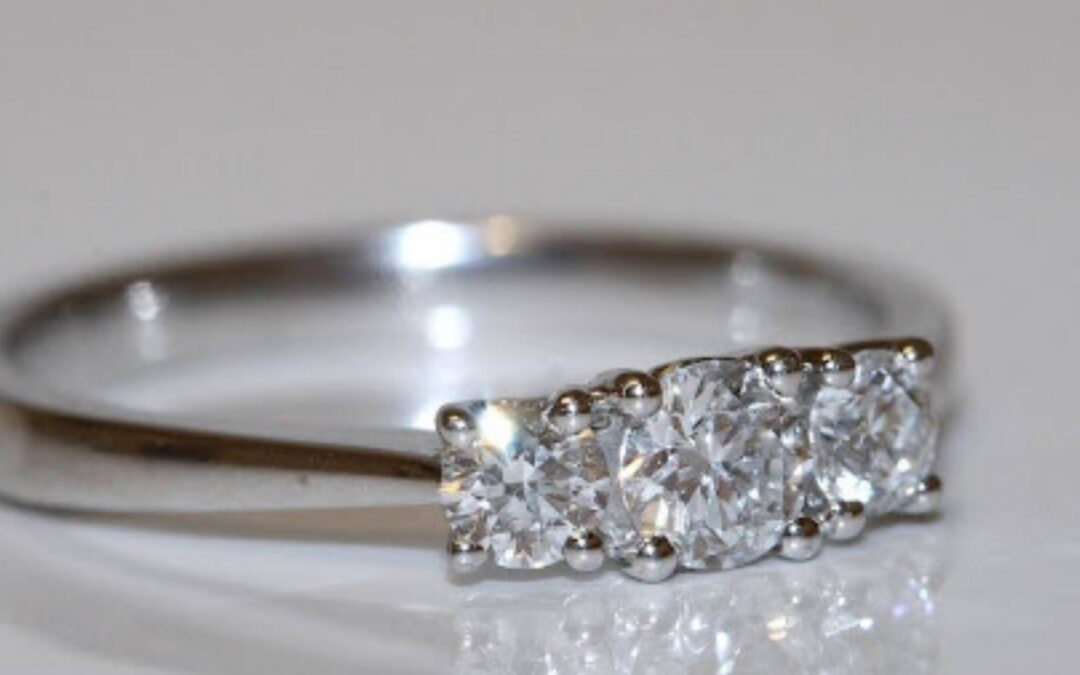
The Symbolism of the Three-Stone Design
Representing the past, present, and future of a relationship, trilogy engagement rings carry a depth of symbolism that sets them apart from any other ring style. Each stone represents a chapter in the shared story of two people: the past, the journey that brought them together; the present, the love and commitment being celebrated now; and the future, the life being built together. This layered symbolism has made trilogy rings one of the most meaningful choices in fine jewellery, offering a narrative that a single solitaire simply cannot replicate.
Popular Diamond Combinations for Trilogy Rings
One of the most appealing aspects of trilogy rings is the flexibility in how the three stones are combined. The most traditional configuration features a larger centre diamond flanked by two smaller diamonds of matching shape and quality. Contemporary designs often mix cuts for visual interest, pairing a round or oval centre stone with baguette, tapered, or pear-shaped side stones. Mixed-metal settings, in which the centre stone is set in platinum and the side stones in yellow or rose gold, have also gained considerable popularity. The combinations are virtually limitless, allowing for a ring as individual as the couple it represents.
Choosing the Right Centre Stone for Your Trilogy Ring
The centre stone is the focal point of any trilogy ring, and its selection should reflect both personal taste and practical considerations. Round brilliant cuts are the most popular choice for centre stones because of their unmatched light performance and versatility with a range of side stone shapes.
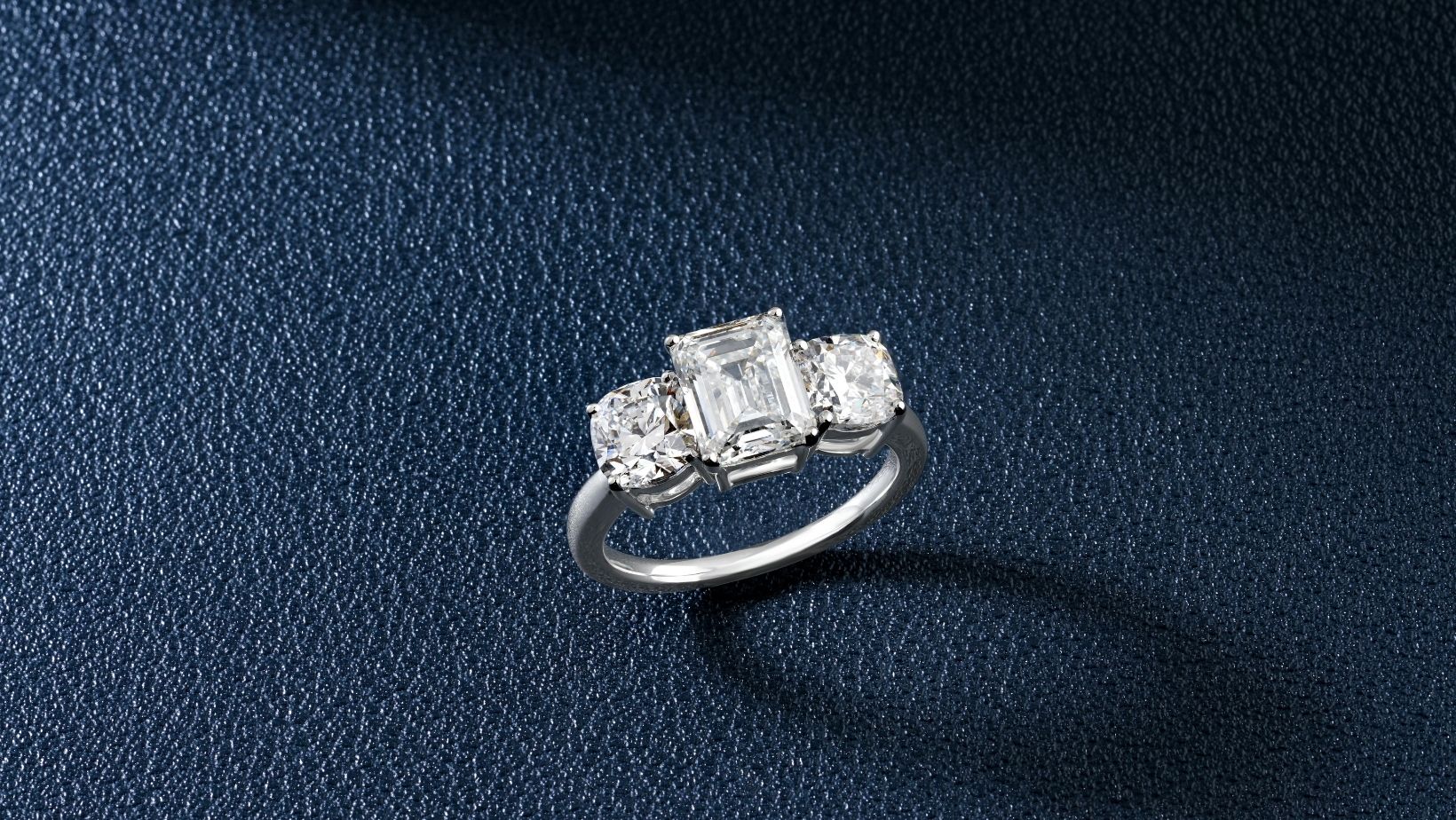
Oval and cushion cuts are also frequently used, offering a softer outline with similar levels of brilliance. For a more distinctive look, emerald cuts provide an elegant hall-of-mirrors effect. Whatever shape is chosen, the quality of the cut is paramount: a well-cut centre stone will always outperform a larger, poorly cut stone in terms of brilliance and visual impact.
Selecting Complementary Side Stones
The side stones in a trilogy ring should complement the centre stone without overwhelming it. As a general rule, side stones should be approximately half the carat weight of the centre stone to maintain a balanced visual hierarchy. Shape compatibility is important: round side stones pair well with most centre cuts, while tapered baguettes create a sleek, architectural look alongside emerald or princess cuts. Matching the colour and clarity grades of the side stones to the centre stone ensures a cohesive, harmonious appearance. Some jewellers offer coloured gemstone side stones such as sapphire or ruby, adding a personal and distinctive touch to the design.
Setting Styles for Trilogy Rings
Three-stone rings are available in a range of setting styles, each of which creates a distinct aesthetic. Classic prong settings allow maximum light to pass through all three stones, resulting in outstanding brilliance. Channel settings, in which the stones are set within a groove in the band, offer a sleeker and more contemporary look. Some trilogy rings feature a floating or tension-set design, in which the stones appear to be suspended within the band. Whatever setting style is chosen, the quality of the craftsmanship is critical to ensuring all three stones remain securely held for many years of everyday wear.
Caring for a Trilogy Engagement Ring Over Time
A trilogy ring requires slightly more attention to maintenance than a solitaire, simply because there are three stones and multiple settings to monitor. Each stone should be checked periodically to ensure it sits securely, with no movement or rocking when gently tested. Prongs can wear down over time, particularly on rings worn daily, and a jeweller can retip or replace them before they become a risk to the stone. Regular cleaning with a soft brush and mild soapy water will maintain the brilliance of all three diamonds. Storing the ring in a soft pouch or jewellery box when not in use will protect it from scratches and unnecessary wear.