
In the U.S., Semaglutide gets talked about a lot right now. Some people know it as a diabetes medicine. Others think it is for weight loss at first.
It operates via actual body mechanisms that regulate hunger, fullness, insulin, and sugar. This is the reason physicians examine the entire individual prior to prescribing it. It all depends on your weight, your labs, your medical history, and your daily habits.
What is Semaglutide?
Semaglutide is a medicine that acts like a natural gut hormone signal. It belongs to a group called GLP-1 receptor agonists. In simple terms, it helps the body feel less hungry and more satisfied. It also helps control blood sugar in a smarter way.
This medication is prescribed to some adults with type 2 diabetes. It is also applied to obese adults or overweight and associated health problems. It is commonly accompanied by healthier food options and increased physical activity.
How does Semaglutide work?
It mimics the work of GLP-1, a secretion that is produced in your gut following a meal. This message is transmitted to the brain, stomach, pancreas and liver, where it alters hunger, fullness, insulin release and glucose regulation. Moreover, since multiple systems change simultaneously, the impacts may seem greater than just a matter of appetite regulation.
Appetite regulation
This medicine sends a signal to the brain that it is full. GLP-1 receptors are located in regions that are associated with hunger and satiety, particularly the hypothalamus and brainstem. As these receptors are activated, hunger cues are softened.
Food thoughts might be quieter and cravings not as aggressive. This does not imply that an individual ceases to like food. It is the desire that can become more relaxed and controlled.
For many people, portions start to shrink without a constant fight. Lower calorie intake becomes more realistic because the brain is not yelling for more, meal after meal, all day.
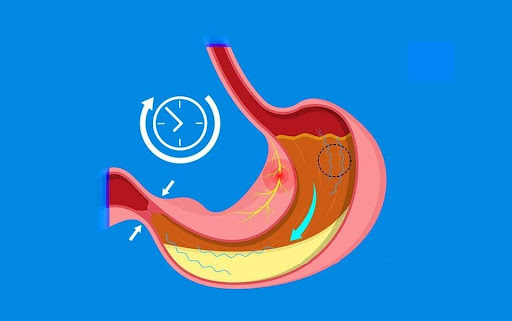
Delayed gastric emptying
This medication also slows the rate at which food leaves the stomach. This is referred to as delayed gastric emptying, and it sounds quite fancy, but it is rather easy. Food remains longer in the stomach hence fullness remains.
A meal will be more satisfying longer. Due to that, snacking can decrease between meals. Others become aware of the fact that they no longer pursue food after every two hours.
On the inside, the gut is sending a slower, steadier stream forward. That gentle slowdown supports satiety and can reduce total intake. However, it is also one reason nausea or stomach upset may happen for some people.
Glucose-dependent insulin secretion
In the pancreas, this medicine helps the body release more insulin when blood sugar is high. It does not push insulin hard at random. Instead, it responds in a glucose-dependent way, especially after meals.
This assists in reducing blood sugar without the risk of it decreasing excessively as compared to a continuous insulin push. When glucose increases, the beta cells receive a stronger signal. Also, improved meal-time insulin activity can even out those huge post-meal spikes that make people feel fatigued, foggy and ill.
Glucagon suppression
The other change within the body occurs with glucagon, a hormone that instructs the liver to release more sugar into the blood. That signal can be excessive in most of the individuals with type 2 diabetes. This medication aids in calming it down.
The decrease in glucagon reduces the chances of liver dumping excess glucose in the blood. This could facilitate the control of fasting and between-meal blood sugar.
So, it is not only about adding insulin help. It is also about reducing unnecessary sugar release from the liver. On the other hand, this works best as part of a full care plan, not as a stand-alone fix.
Energy expenditure and lipid metabolism
Research suggests this medicine may support better energy use and fat handling in the body. In plain words, the body may become more willing to burn stored fuel and less likely to stay stuck in a pattern of excess fat storage.
It can also be used to enhance lipid metabolism, i.e. cholesterol and triglyceride patterns can be shifted towards a more favorable direction.
It develops with time, as well as eating alterations and weight loss itself. Nevertheless, these changes in metabolism assist in explaining how body composition and cardiometabolic health may co-evolve.
Who Should Use Semaglutide?
This medicine is usually meant for adults who meet clear medical criteria and use it under a clinician’s care, along with food, activity, and regular follow-up.
Adults with type 2 diabetes
When blood sugar is controlled, this medicine can be very effective in the case of adults with type 2 diabetes. It is not a replacement for diet or exercise but is used in combination with them.
Physicians might want to take it into consideration when a person requires more glucose with an alternative that is once a week.
It can be especially useful for people who also carry extra weight. In some adults with type 2 diabetes and established heart disease, it is also used because it can help lower major cardiovascular risk. The goal here is not just a better number on a lab report. It is steadier daily control and better long-term protection.
Individuals with BMI ≥30 (obesity)
One of the target groups that will be considered to take this medicine to manage weight on a chronic basis is adults whose BMI is 30 or above. This is the obesity zone, yet one could never simply decide without counting.
A physician will examine eating habits, previous weight loss efforts, medical risks, and willingness to receive long-term care. This medicine may be useful in decreasing appetite, enhancing satiety, and promoting long-lasting weight loss.
It is however best coupled with lower-calorie food intake and exercise. As an illustration, a person who is so obsessed with hunger might end up having some breathing room. This room does not make healthy habits seem punitive, but achievable.
Those with BMI ≥27 and weight-related conditions (e.g., hypertension, PCOS)
Adults who have a BMI of 27 and above can also qualify in case there is a weight-related condition. Examples are high blood pressure, high cholesterol, or sleep apnea. In real life, it is an easy concept: additional weight is already putting significant strain somewhere.
So the treatment goal is not only losing pounds. It is lowering the burden on the body. This can mean better blood pressure, easier glucose control, or less metabolic stress overall.
In addition, a clinician will look at the full picture before prescribing it. The best candidates are people whose health risks and treatment goals clearly match the medicine’s benefits and responsibilities.
Wrap Up
Semaglutide makes more sense when you see the full picture clearly. You now know how it helps with hunger, blood sugar, and weight. It matters if you live in the U.S. and want real options.