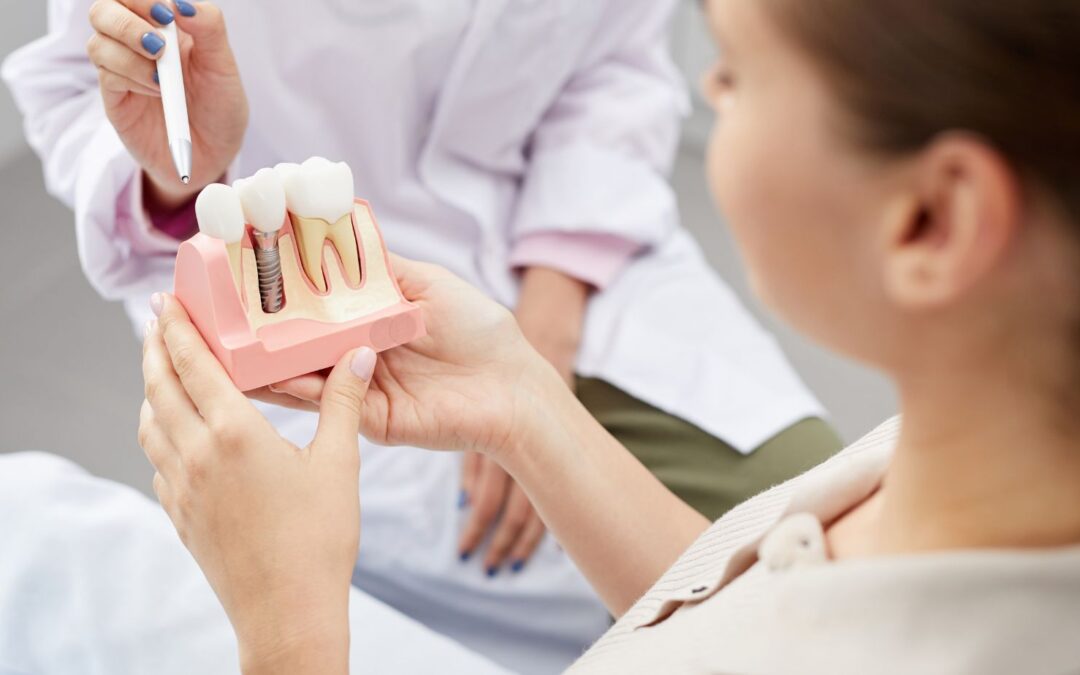
If your dentures slip or feel weak when you eat or speak, implant-supported dentures in Woodbury give you a far more stable and natural-feeling option than traditional dentures. They anchor to implants in your jaw so you can bite, talk, and smile with much more confidence and comfort.
This post explains what implant-supported dentures are, how the implant process works, who can get them in Woodbury, and what care they need to last. You will learn practical benefits, what to expect from treatment, and how to keep your new smile healthy.
What Are Implant-Supported Dentures?
These dentures attach to titanium implants placed in your jawbone, giving much more stability and chewing power than regular dentures. They can replace a full arch or several teeth and help protect the bone under your teeth.
How Implant-Supported Dentures Work
Implants act like artificial tooth roots. Your dentist places two to six implants into the jawbone for each arch. The bone fuses to the titanium over several months, creating a strong anchor.
Once the implants integrate, your dentist fits a denture to either snap onto the implants (removable) or screw onto a fixed bar (fixed). Snap-in styles let you remove the denture for cleaning. Fixed styles stay in place and you clean them like natural teeth.
The process usually needs a planning scan, surgery to place implants, healing time, and then denture attachment. You should expect follow-up visits to check fit and bite.
Types of Implant-Supported Dentures
Removable (overdentures): These use ball, locator, or clip attachments on two to four implants. You snap them on and off for cleaning. They cost less and suit patients with limited bone.
Fixed hybrid dentures: These attach to four to six implants and stay in place. You need a dentist to remove them. They feel more like natural teeth and let you chew harder foods.
Bar-retained dentures: A metal bar links multiple implants, and the denture clips onto the bar. This gives strong support and better fit for those with uneven bone.
Your dentist will recommend a type based on your bone quality, budget, and how permanent you want the solution to be.
Implant-Supported vs. Traditional Dentures
Stability: Implant-supported dentures resist slipping because they anchor into bone. Traditional dentures sit on gums and may shift while eating or talking.
Bone health: Implants stimulate the jawbone, which helps prevent bone loss over time. Traditional dentures do not provide this stimulation and can speed bone shrinkage.
Comfort and function: Implant-supported dentures let you bite and chew more forcefully and speak more confidently. Traditional dentures often need adhesive and may cause sore spots.
Maintenance and cost: Implants require oral hygiene like brushing and flossing, plus regular dental checkups. They cost more up front but often last longer. Traditional dentures cost less initially but may need frequent relining or replacement.
Benefits of Implant-Supported Dentures in Woodbury, MN
You get a more secure fit, better chewing power, jawbone protection, and a natural look that helps you feel confident. Each benefit below explains how implant-supported dentures work and what you can expect in everyday life.
Superior Stability and Comfort
Implant-supported dentures attach to titanium implants anchored in your jawbone. That firm connection prevents slipping and eliminates the need for sticky adhesives. You can speak and laugh without worrying about movement.
Because the denture is supported by implants, it sits lower and closer to your gums than full removable dentures. This reduces irritation and sore spots, so you feel more comfortable during daily activities. Many patients report less rubbing and fewer adjustments after healing.
Your dentist will place two or more implants for a removable overdenture or four to six for a fixed bar or bridge. The number and placement affect how stable the denture feels and how well it distributes bite forces.
Enhanced Chewing Ability
Implant-supported dentures transfer bite force into the jawbone like natural teeth. This gives you stronger chewing power compared to traditional dentures that sit on the gums. You can eat firmer foods such as apples, steaks, and raw vegetables with more confidence.
Improved bite force also helps you digest food better because you can break it into smaller pieces. That can make meals more enjoyable and reduce the need to avoid certain nutrients found in firmer foods.
Expect a healing period before full chewing strength returns. Once the implants fuse with bone, most patients notice a clear improvement in function within a few months.
Preservation of Jawbone Health
When you lose teeth, the jawbone can shrink over time from lack of stimulation. Implants act like tooth roots and stimulate the bone during chewing. That stimulation slows or prevents the bone loss that often follows tooth loss.
Keeping more jawbone helps preserve your facial shape and supports remaining teeth. It also provides a stronger foundation for the denture, which improves long-term fit and comfort.

If bone volume is low, your Woodbury dentist may recommend bone grafting before implant placement. The graft restores enough bone to support implants and offers better long-term results.
Natural Appearance and Confidence
Implant-supported dentures sit closer to your gums and stay in place, so they look more like natural teeth. The prosthetic teeth are custom-matched for color, size, and shape to blend with your smile and facial features.
A secure fit reduces the worry about slipping, which often makes people more willing to smile and speak in public. You’ll likely feel more confident in social and professional settings.
Your dentist will design the prosthesis to match your mouth and preferences. You can choose tooth shade and contours, and minor adjustments can be made to achieve the look and function you want.
The Dental Implant Procedure and Candidacy
This section explains who usually qualifies in Woodbury, MN, what happens during implant placement, and how long healing and final results typically take. It focuses on practical steps, local care factors, and realistic timelines.
Who Is a Good Candidate in Woodbury, MN
You may be a good candidate if you are missing several teeth or need full-arch support and want a more stable solution than traditional dentures. Ideal candidates have healthy gums, enough jawbone to secure implants, and no uncontrolled medical issues like diabetes or heavy smoking that can slow healing.
If your jawbone is thin, your dentist in Woodbury can assess bone density with X-rays or a CBCT scan and may recommend bone grafting or sinus lift first. You should be committed to oral hygiene and regular dental visits. Age alone is not a barrier; overall health and local tissue condition matter most.
Overview of the Implant Placement Process
Your dentist or oral surgeon will first take images and create a personalized treatment plan that shows implant number and position. The usual steps are:
- Consultation and imaging.
- Surgical placement of titanium implants into the jawbone.
- Placement of temporary dentures or a healing cap.
After implants are placed, they must fuse with bone (osseointegration). Once stable, your provider attaches abutments and the final denture. In some cases, especially with All-on-4 techniques, you can receive a fixed temporary prosthesis the same day as surgery. Expect local anesthesia or IV sedation during surgery and clear instructions for short-term care.
Timeline for Recovery and Results
Initial recovery after implant surgery usually takes 1–2 weeks for swelling and soreness to subside. You should follow a soft-food diet, avoid strenuous activity, and keep the surgical area clean during this time. Pain is manageable with prescribed or over-the-counter medication.
Complete osseointegration typically takes 3–6 months, depending on bone quality and the number of implants. After that, your dentist will fit the final denture. If you had grafting, add 3–6 months for bone healing. Regular check-ups every 3–6 months the first year help ensure implants integrate and the prosthesis fits well.
Maintenance and Long-Term Care
You will need daily cleaning, scheduled dental checkups, and awareness of possible implant issues to keep implant-supported dentures working well. Small habits and timely care help protect your gums, implants, and overall oral health.
Daily Cleaning Guidelines
Brush your denture and the gumline twice a day with a soft-bristled brush. Use non-abrasive toothpaste or a denture cleaner to avoid scratching the denture surface.
If you have a removable snap-in denture, remove it nightly and soak it in a denture-cleaning solution. Rinse thoroughly before putting it back in your mouth.
Clean around each implant abutment with an interdental brush or floss designed for implants. Move the brush gently to remove food and plaque where the denture meets the gum. Check for redness, swelling, or bleeding and report these signs to your dentist.
Avoid hard, sticky foods that can stress attachments. Store removable dentures in water or the recommended solution when not in use to keep them from warping.
Regular Dental Visits
Schedule professional checkups every 3–6 months or as your dentist recommends. During visits, your dentist will inspect implants, attachment components, and the fit of the denture.
Expect periodic X-rays or scans to monitor bone level around implants. Your dentist or hygienist will professionally clean around abutments and under the denture to remove buildup you can’t reach at home.
Ask your dental team about replacement parts like worn O-rings or locator inserts. Replacing those on schedule keeps the denture stable and prevents extra stress on implants.
Potential Implant Complications
Know the common problems: infection (peri-implant mucositis or peri-implantitis), loosening of attachments, and wear of denture components. Early signs include persistent pain, pus, bad taste, or sudden looseness.
If you notice changes, call your dentist right away. Treatment can range from a deeper cleaning and antibiotics to repairing or replacing attachments. Severe bone loss may require more advanced care.
Reduce risk by quitting smoking, controlling diabetes, and keeping excellent oral hygiene. Regular professional care catches small issues before they become major problems.