Studio workouts look great on paper. A set class time. A coach telling everyone what to do. Music, structure, and that “done for the day” feeling when it ends. For many women, that kind of training feels easier than walking into a gym and guessing what to do next.
Still, the best method is not the one with the most hype. It is the one that fits real life. It should work when work is busy, sleep is short, and energy is average. If a routine only works on perfect weeks, it will not last.
The good news is that choosing well is not complicated. It comes down to lifestyle match. Time, body needs, stress levels, and what actually feels doable week after week. Once those pieces are clear, the “right” method becomes obvious.
Start With Lifestyle, Not Motivation
Most people do not stop training because they are lazy. They stop because the plan creates friction. The class is across town. Parking is a mess. The timetable clashes with school runs. The sessions leave the body too sore to function the next day.
Before picking a method, ask four direct questions.
- How many days per week feel realistic most weeks?
- How much time is available once travel is included?
- Do knees, hips, or shoulders react badly to impact?
- Does training need to feel calming or energising?
Then add one more question that matters even more: What usually breaks the routine?
Some people fall off when life gets busy. Others fall off when soreness hits. Others fall off when the workout feels boring. Knowing the pattern helps avoid repeating it.
A routine tends to last longer when it includes mixing strength and cardio weekly rather than chasing extremes.
The Main Studio Style Options
Most studio-style training sits in a few broad categories. Each one solves a different problem. Each one also comes with trade-offs.
Strength Focused Classes
These include barbell strength sessions, dumbbell training, and small group lifting. These classes can build muscle and confidence fast, especially when coaching is strong and progress is planned.
Strength classes suit women who like clear goals and measurable wins. Adding weight, improving form, and feeling stronger each month can be very motivating.
The trade-off is recovery. Heavy sessions can leave the body sore at first. That can be fine with good sleep and smart pacing. It can be hard when life is already exhausting.
High Intensity Cardio Formats
These include cycling, treadmill intervals, boot camps, and fast circuits. These sessions can improve fitness quickly. They can also give a strong mood lift because the pace is high, and the group energy helps.
They suit women who enjoy sweating, music, and quick results. They can also suit anyone who loves the feeling of getting out of the head and into the body.
The trade-off is impact and overuse. Lots of jumping, sprinting, and repeated pounding can irritate joints over time, especially if sessions are frequent.
Yoga And Mobility Studios
These sessions focus on flexibility, breathing, and joint health. They often improve posture and reduce tension, especially for women who sit for work or carry stress in the shoulders and hips.
They suit women who want better movement, calmer nervous systems, and fewer aches. They also suit anyone who feels tight, stiff, or mentally overloaded.
The trade-off is intensity. Yoga can build strength, but it may not provide enough resistance for women who want more muscle, more shape, or higher fitness.
Pilates and Reformer-Based Training
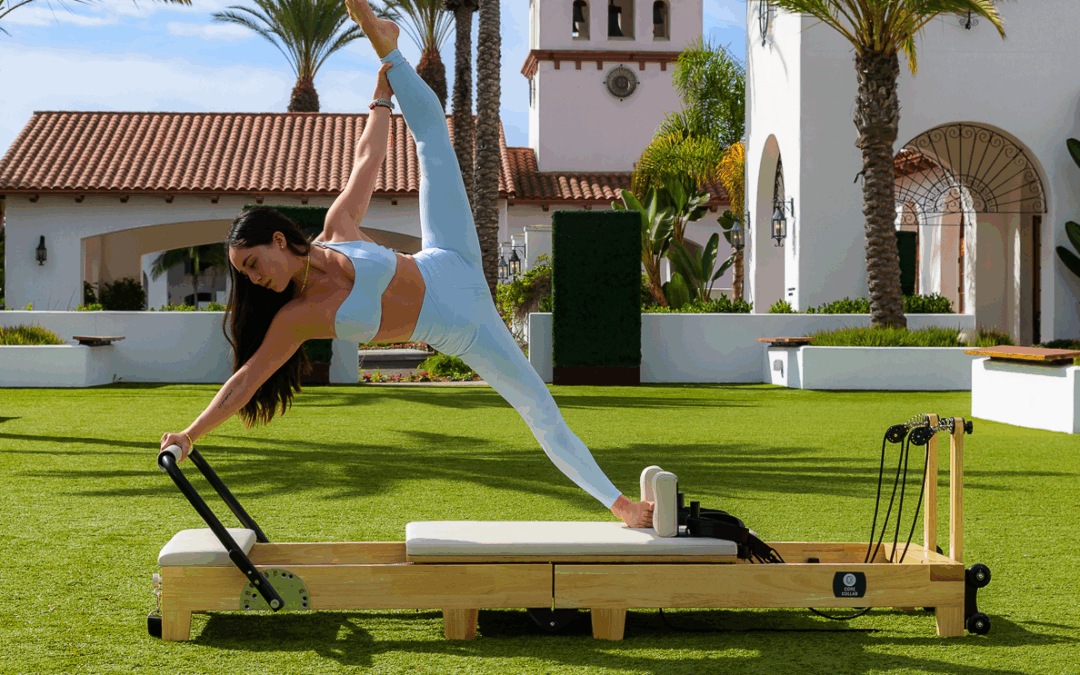
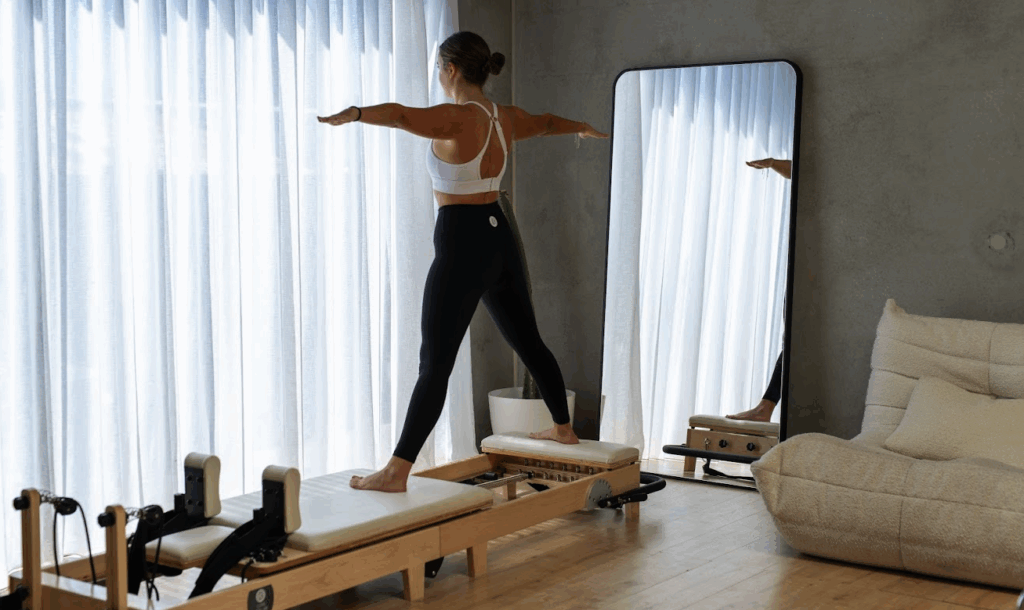
Pilates has a reputation for posture and core control, but studio-style Pilates can also feel athletic. Reformer-based training adds adjustable resistance and guided movement, which helps strength and control develop at the same time.
Getting to class is often the hardest part, not the workout itself. For women considering a home setup, a studio Reformer machine for home can remove that barrier by cutting travel time and making sessions easier to repeat. Less friction usually means more consistency, and consistency is what changes bodies.
This option suits women who want low-impact training that still feels challenging. It often suits people who want to feel strong without beating up joints. And this is the reason Pilates is popular: core stability supports the joints, especially when form starts to slip under fatigue.
Choose Based On Your Real Goal
Many people say the goal is “getting fit,” but that can mean different things. A method should match what is actually wanted.
If The Goal Is Fat Loss And Better Fitness
A strong method should raise heart rate and build muscle. Cardio-only plans often feel disappointing because strength is missing, and the body does not change the way people expect.
The best fit is usually a mix. Strength plus conditioning. Enough intensity to challenge breathing, and enough resistance to build shape.
Reformer-based circuits often fit well here, because resistance stays present while the pace can stay high.
If The Goal Is Strength And Shape
Progressive resistance matters most. That can come from weights, but it can also come from spring resistance paired with slow control and a long time under tension.
A good sign is a clear path of progress. More resistance, better range, cleaner form, and harder variations over time.
A red flag is random programming that never repeats patterns long enough to improve.
If The Goal Is Better Posture And Less Back Tension
Core control, hip stability, and upper back strength tend to help most posture issues. Pilates and reformer training often target these areas because alignment matters in every rep.
This goal also needs patience. The best results come from steady practice, not one brutal week of training.
Why Many Women Choose Reformer Style Training
Reformer-style training tends to fit modern life for one reason. It does more in one session. Legs, glutes, back, arms, and core can all be trained without running around a gym. It can also raise heart rate without relying on constant impact.
This is why many women use it as a “main method.” It can be the strength session and the cardio session in the same workout, depending on how it is programmed.
It also suits women who want intensity without feeling wrecked. The resistance is adjustable. The movement is guided. The session can be hard while still feeling controlled.
Final Takeaway
Choosing a studio-style training method is not about picking what is popular. It is about choosing what fits lifestyle, body needs, and goals, so the routine becomes repeatable.
Strength classes, cardio formats, yoga, Pilates, and reformer-based training can all work. The right one is the one that still happens when life gets busy. Once consistency becomes normal, results stop feeling like a fight.