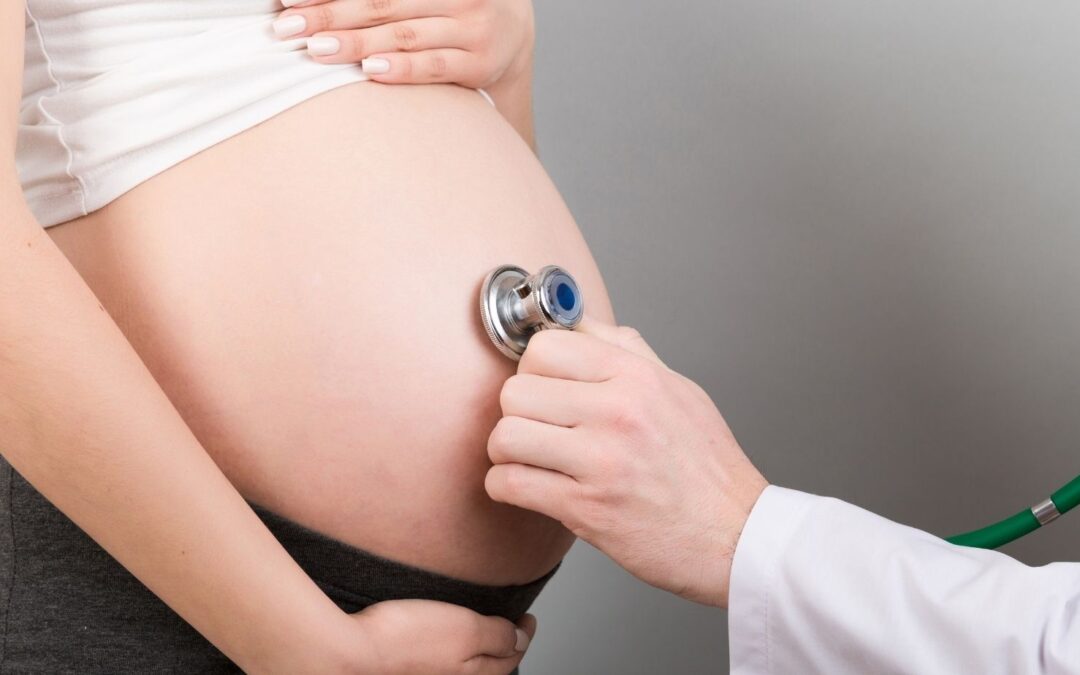
Any pregnant mother will be wondering, if her baby is growing up to be healthy and strong. Modern science has created a safe painless method of finding out the genetic wellness of your baby during pregnancy without either endangering the mother or the unborn child. This is Non-invasive Prenatal Testing (NIPT). NIPT is an important innovation in prenatal genetic screening, As it provides useful insights into chromosomal disorders by simply taking a blood sample from the mother. There will be no danger, no needles around the baby, no problems and reliable screening results that help & guide parents on what to expect when their child will born. It is critical to learn the mechanism by which this fetal DNA test operates, and what can be estimated in it, So that an expectant parent can make confident choices.
What Is NIPT, And How Does It Identify Genetic Conditions In A Baby?
NIPT involves examining small clips of a newborn’s DNA that are naturally present in the blood of the mother during pregnancy. During pregnancy, bits of the unborn baby’s DNA bypass the placenta and are released into the blood of the pregnant woman. A medical professional takes some blood from the mother, just like any other blood test. The DNA Fragments of the baby and DNA of the mother are then separated and analyzed by the laboratory with the help of sophisticated technology.
The experts will also confirm the number of chromosomes in these fragments of DNA, which can be used to determine the state of genetic conditions based on whether there are extra or missing chromosomes in these fragments. The prenatal genetic screening process is entirely safe since it does not involve undertaking any procedures that may have a tendency to impact the baby, as it only involves using a maternal blood sample. Most of the time, the results take between one and two weeks, providing the parent with early and precise information regarding the chromosomal health of their baby.
What Are The Early Genetic Conditions That NIPT Can Identify?
NIPT is very good at identifying the most prevalent types of chromosomal disorders that infants have.

This prenatal genetic screening offers prenatal genetic screening regarding numerous significant disorders:
- The most common condition picked up by NIPT is Down syndrome ( Trisomy 21) . Babies affected with Down syndrome possess one additional copy of chromosome 21 that complicates their development, and gives them unique physical appearance. The early diagnosis assists families in preparing and linking to support resources.
- Edwards Syndrome (Trisomy 18) is a condition in which babies have three copies of chromosome 18 instead of two. This condition is leading to severe health complications and developmental difficulties.
- Patau Syndrome (trisomy 13) occur in the presence of an extra chromosome 13. Similar to Edwards syndrome, development is severely impaired by the condition. it is done with early diagnosis, Such as genetic screening of the pregnant woman or fetus, So that the family knows what to expect and can prepare.
- sex chromosome diseases like Turner Syndrome (Lacking an X chromosome in girls) and Klinefelter Syndrome (Additional X Chromosome in boys), can be identified as well.
- In specific cases, NIPT can also be used for non-invasive prenatal paternity testing[1], which analyzes fetal DNA in mother’s blood alongside the alleged father DNA to help determine biological paternity during pregnancy.
- Advanced NIPT panels able to detect even some microdeletions of chromosomes (Small pieces of chromosomes) which are missing.
When Is The Prenatal Test To Be Conducted During Pregnancy?
NIPT can be done as early as 9- 10 weeks of pregnancy, though most medical experts suggesting waiting up to 10 to 12 weeks to have the best results. By this period, the fetal DNA is sufficient in the circulation of the mother to give precise pregnancy genetic screening outcomes. The first trimester allows parents to take the test when they have maximum time to plan, meet specialists, or think out their alternatives. No limit is set on “how far in the pregnancy NIPT can be conducted”; it is accurate at any time in the pregnancy, But the sooner it is applied, the more follow up testing has time to run, and the fewer time bombs are looming over the heads of prospective parents.
What Is The Difference Between NIPT And Other Forms Of Prenatal Testing, Such As Amniocentesis?
The information on these two approaches of prenatal genetic testing will assist parents in selecting the appropriate test to use. Here’s a clear comparison:
| Non-Invasive Prenatal Testing (NIPT). | Amniocentesis |
| NIPT is merely a less invasive test that requires a blood draw from the mother’s arm. No needles are used on the baby, and the operation has zero chances of miscarriage or complications. It is harmless, just like any ordinary blood test. | Amniocentesis is the insertion of a long needle into the abdomen of the mother into the amniotic sac to extract fluid. Such an invasive procedure also has a minor risk of miscarriage (approximately 0.1-0.3 percent) and problems with infection or pain. |
| This is a fetal DNA test, which can be conducted as early as 9-10 weeks of pregnancy and can give the information during the first trimester, when the maximum time is available to the parents to make decisions and prepare regarding their pregnancy. | Amniocentesis usually is not feasible until between 15 and 20 weeks of pregnancy, which is very late in the second trimester. This is a timing that leaves the parents with less time to process information and room to think of what can be done in case issues emerge. |
| NIPT is a screening test that recognizes the risk of certain genetic conditions but does not provide a definitive diagnosis. When NIPT presents a high-risk score, several diagnostic measures, such as amniocentesis, could be suggested to verify outcomes before making significant conclusions. | Amniocentesis is a diagnostic procedure that gives a definite yes or no answer concerning chromosomal disorders. Outcomes are said to be final and do not need further examination in order to validate genetic disorders identified using the process. |
From a clinical perspective, both NIPT and amniocentesis have distinct uses. NIPT offers a safe and early prenatal screening genetic testing that helps to determine if the pregnancy requires more focus, whereas amniocentesis provides a definite diagnosis when required. Various medical professionals prescribe the fetal DNA test (NIPT) first and consider amniocentesis only in case of screening positive outcomes found to suggest an added risk.
Conclusion
Non-invasive prenatal testing has changed the nature of pregnancy care by providing safe and precise prenatal genetic screening of patients with just a blood sample draw. It is best that expectant parents are made aware of how this fetal DNA test works and what it is capable of detecting, so that they can make informed judgments about the care and preparation of their pregnancies. NIPT has the answers you are looking for, whether you need information or you need it to reassure you of a healthy pregnancy, or you need to prepare when having a baby with special needs.
Expectant parents seeking non-invasive prenatal testing may opt for accredited laboratories with proven expertise, such as FaceDNATest.com. They provide advanced NIPT services that deliver early and reliable insights into fetal chromosomal health, helping families make informed decisions during pregnancy. By Using the same DNA technology they also offer additional testing services, including relationship tests and legal paternity testing[2], making them a trusted choice for a wide range of genetic testing needs.
Reference:
[1] https://facednatest.com/services/non-invasive-prenatal-dna-testing/ – Overview of how fetal DNA is analyzed from a maternal blood sample during pregnancy for early genetic screening and related non-invasive prenatal applications.
[2] https://facednatest.com/services/court-admissible-dna-testing/ – Explains court‑admissible DNA testing services for use in legal proceedings.