
For many women, the mere thought of a dental appointment can trigger a profound sense of dread. Dental anxiety can be a significant barrier to essential oral healthcare, often leading to delayed treatment, worsening conditions, and a negative cycle of fear. Traditional methods of reassurance are frequently insufficient for those with moderate to severe anxiety or for those facing lengthy, complex procedures.
In this landscape, intravenous (IV) sedation has emerged as a transformative tool, offering a safe and effective pathway for women to receive the dental care they need and deserve. By addressing the root of the anxiety response itself, IV sedation can facilitate treatment and the restoration of trust in the dental care experience.
Here’s how IV sedation can help women overcome dental anxiety:
Understanding the Unique Dimensions of Dental Anxiety in Women
Dental anxiety is a complex phenomenon with psychological, physiological, and experiential components. While it affects all genders, it’s believed that women report higher levels of dental fear and are more likely to avoid care due to this anxiety. The reasons are multifaceted. Sensory sensitivities, often more acute in women, can make the sounds, smells, and sensations of a dental office overwhelming. A history of traumatic dental experiences, sometimes from childhood, can leave a lasting impact.
Furthermore, for women who are primary caregivers, the vulnerability of being in a patient role can be inherently stressful. This anxiety can manifest physically through elevated heart rate, hypertension, and a heightened stress response, which can complicate dental treatment. Recognizing this anxiety as a valid medical concern can be a first step toward addressing it with appropriate clinical solutions like IV sedation.
The Mechanism of Calm: How IV Sedation Works
IV sedation, often referred to as “conscious sedation” or “twilight sedation,” involves the administration of sedative medications directly into the bloodstream. This method offers a level of precision and control unmatched by oral sedatives or nitrous oxide (laughing gas). A certified dental professional, such as a sedation dentist or anesthesiologist, inserts a small catheter into a vein, typically in the arm or hand. Through this portal, sedative medications are delivered, allowing for immediate adjustment of the sedation level throughout the procedure.
The patient enters a deeply relaxed state, free from anxiety and fear, yet remains conscious and able to respond to verbal commands. Protective reflexes are maintained, but the perception of time is dramatically altered. Procedures that might feel like hours pass in what seems like minutes. Most patients have little to no memory of the treatment itself after it’s completed, effectively creating a psychological gap in the memory of the event, which can help prevent the reinforcement of dental fear. The continuous monitoring of vital signs, including blood pressure, oxygen levels, and heart rate, can ensure the highest standard of safety throughout.
Therefore, for women seeking to permanently alter their relationship with dental care, exploring calm dental care options represents a proactive step toward wellness. These advanced sedation techniques are designed to prioritize patient comfort and psychological well-being alongside clinical excellence. By choosing a practice that specializes in these methods, patients can place their care in the hands of professionals who understand that treating anxiety is integral to treating the teeth.
Specific Benefits for Female Patients Facing Diverse Dental Needs
IV sedation is uniquely beneficial for addressing a wide spectrum of dental needs that women may face, particularly those that are time-intensive or potentially triggering. These benefits include:
Complex Restorative Work
Procedures like full-mouth reconstructions, multiple crowns, or extensive bridgework require long appointment times. Remaining still and cooperative for several hours can be challenging for anyone, but for an anxious patient, it can be untenable. IV sedation can make these marathon sessions manageable and comfortable.
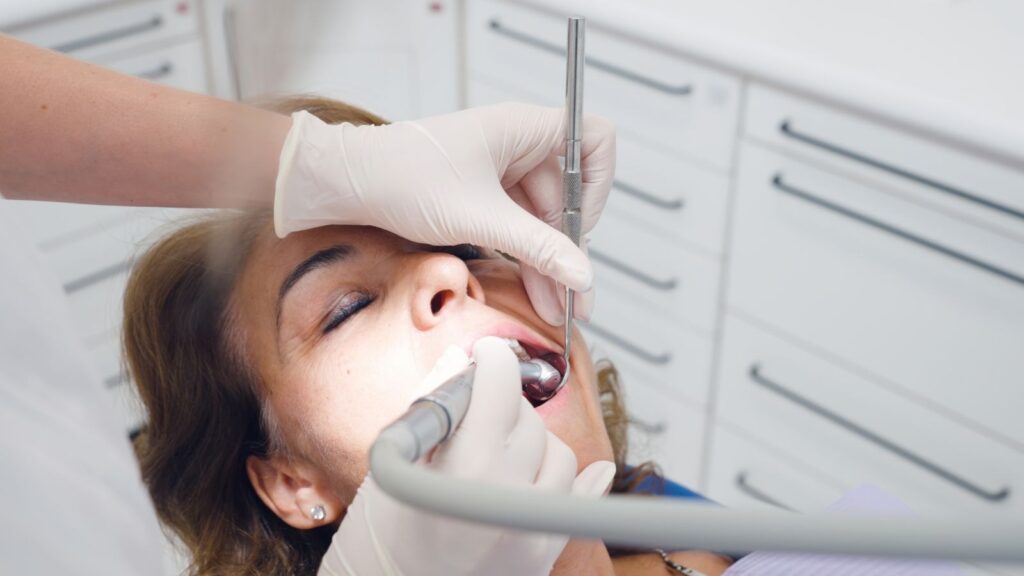
Surgical Procedures
Whether it’s wisdom tooth extraction, dental implant placement, or periodontal surgery, the invasive nature of these treatments can be a significant source of fear. Sedation allows the surgical work to be completed efficiently while the patient rests peacefully, unaware of the surgical sensations.
Management of Sensitive Gags
A pronounced gag reflex, which can be more common in women, can render even simple procedures like taking X-rays or making impressions impossible. IV sedation can suppress this reflex, allowing necessary diagnostic and treatment steps to proceed smoothly.
Catching Up on Deferred Care
For women who have avoided the dentist for years due to fear, the accumulated necessary treatment can feel overwhelming. IV sedation can enable dentists to accomplish more work in fewer visits, helping patients efficiently break the cycle of neglect and restore their oral health without reliving years of built-up anxiety.
Safety, Preparation, and the Path to a Calmer Smile
A paramount concern for any patient considering sedation is safety. IV sedation in a dental setting is exceptionally safe when administered by a properly trained and credentialed team within a facility equipped with advanced monitoring and emergency response equipment. A comprehensive medical history review is conducted beforehand to identify any potential contraindications and tailor the sedation plan accordingly.
Patients are also given clear pre-operative instructions, which typically include fasting for a specified period prior to the appointment and arranging a responsible adult to provide transportation home afterward. The post-sedation recovery is brief, conducted under supervision at the clinic, and patients are advised to rest for the remainder of the day.
Conclusion
IV sedation is an empowerment tool. It can dismantle the barrier of fear that has prevented countless women from achieving and maintaining optimal oral health. By keeping the information mentioned above in mind, patients can separate the necessity of dental treatment from the legacy of dread. This positive recalibration can encourage a lifetime of regular, preventive care, break the generational cycle of dental anxiety, and foster a future where dental health is approached not with fear, but with confidence and calm assurance.