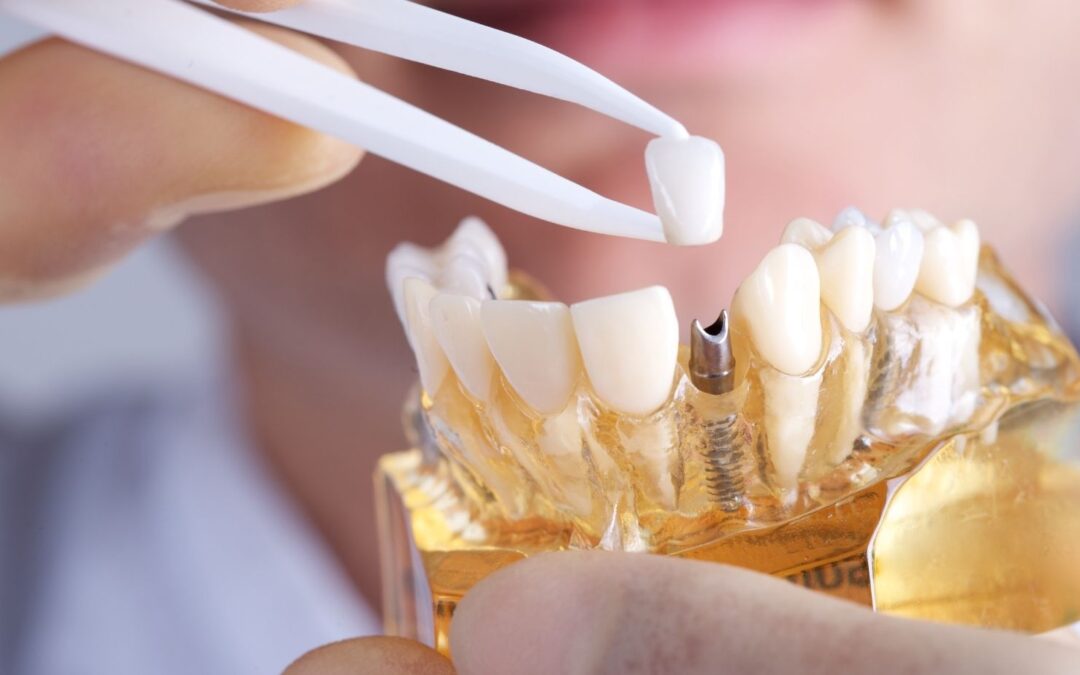
If you’re considering dental implants, you might wonder how they will affect your speech. Dental implants can cause slight changes in how you talk at first, but most people quickly adapt and often experience clearer speech once healed. The position of the implants, especially in the upper jaw, can change how your tongue moves and how sounds form. At You Imagine Dental Implant Center, patients are informed about these temporary adjustments so they know what to expect during the healing phase.
You may notice some lisping or difficulty pronouncing certain sounds right after surgery. This happens because your mouth is adjusting to the new shape and feel. Over time, your tongue and lips learn to work with the implants, helping your voice return to normal—or even improve—if missing teeth were causing speech issues before.
How Dental Implants Can Affect Speech
Dental implants can change the way you speak at first. This happens because your mouth needs to get used to new dental parts. You might notice differences in how you say certain sounds, and your tongue may also have to adjust to changes inside your mouth.
Initial Adjustment Period
Right after getting dental implants, you may find that your speech feels different. This is normal and usually temporary. Your mouth needs time to heal from surgery, and your tongue has to learn how to move around the new implant.
During this adjustment time, you might speak with a slight lisp or slur. It may take a few days to a few weeks for your mouth to get used to the changes. If your implants are placed in the upper jaw, you could feel some pressure on your palate, which affects how your tongue moves.
To help adjust faster, try reading out loud or talking more often. Practicing these activities can make it easier for your mouth and tongue to adapt to your new implants.
Pronunciation Challenges
Dental implants can make pronouncing certain sounds harder at first. Sounds like “s,” “sh,” “ch,” and “th” might feel trickier because these sounds need precise tongue and teeth movements.
This happens because your tongue interacts with the teeth and roof of your mouth to form clear sounds. When implants change the shape or position of your teeth or palate, it can disrupt this process. For example, if an implant affects the upper front teeth area, the “s” sound might come out with a hiss or lisp.
Be patient as you practice speaking. Over time, your tongue will learn new patterns that help you say these sounds clearly again.
Impact on Articulation
Your ability to articulate, or make clear speech sounds, depends on how your teeth and tongue work together. Dental implants can change the shape and space inside your mouth, which affects this teamwork.
Because implants create a firm base for crowns or dentures, they can sometimes change how your tongue moves or rests. This affects the way you form sounds, especially those that need the tongue to touch specific spots like the roof of your mouth or the back of your front teeth.
If you notice that some words are harder to say, it’s likely due to these changes. With time and practice, your articulation usually improves as your mouth adapts to the new structure.
Factors Influencing Speech Changes With Dental Implants
Speech changes after dental implants depend on several key factors. How and where the implant is placed, your jaw and bone structure, and the type of prosthesis you use all affect how you speak.

These details influence your tongue movement, sound production, and overall voice quality.
Implant Placement and Design
Where the implant is positioned in your mouth plays a big role in how your speech may be affected. Implants in the upper jaw or near the palate can change how sound waves travel, potentially altering your voice tone.
The size and shape of the implant also matter. Bulky designs may interfere more with tongue movement. Proper placement that respects your natural mouth shape helps reduce speech problems like lisping or difficulty pronouncing certain sounds.
The implant needs time to integrate with your bone and for your muscles to adapt. Most speech issues are temporary and improve as your mouth adjusts.
Jaw and Bone Structure
Your jaw size, shape, and bone quality impact how implants affect your speech. A strong, well-shaped jaw provides a better foundation for implants, allowing normal tongue and lip movement.
If your bone structure is weak or uneven, implant placement might be more challenging. This could cause slight changes in how your mouth feels or moves, affecting your speech temporarily.
Bone grafts or other preparatory surgeries might be needed to get the best results. Healthy jaw and bone conditions generally lead to clearer speech after implants.
Type of Prosthesis Used
The kind of dental prosthesis placed on your implants—crowns, bridges, or dentures—affects speech differently. Fixed, implant-supported crowns or bridges usually offer better speech clarity because they feel more like natural teeth.
Removable implant-supported dentures can sometimes shift slightly, causing changes in how you pronounce certain words. This may cause some users to experience a brief lisp or slurred speech.
Well-fitted prostheses that match your mouth’s contours help restore proper speech quickly. The better the fit, the easier it is for your tongue and lips to form sounds correctly.
Improving Speech Outcomes After Dental Implants
Adjusting your speech after dental implants takes time and effort. Using specific exercises and working with dental experts can help you regain clear pronunciation and natural speech patterns. The right guidance and practice improve your speaking ability by targeting the areas that dental implants affect.
Speech Therapy Techniques
Speech therapy can be essential in improving how you talk after dental implants. A speech therapist may guide you through exercises that focus on tongue placement, airflow control, and articulation. These exercises help reduce common issues like slurring, lisping, or muffled sounds.
You might practice repeating certain sounds and words to train your mouth. For example, focusing on “s” and “th” sounds can improve clarity. Therapists also help you become aware of how your tongue moves around the implants, making your speech more precise. Regular practice helps speed up adjustment and increases confidence when speaking.
Role of Dental Professionals
Dental professionals play a crucial role in your speech recovery after implants. They ensure proper implant placement to support your natural mouth structure and function, which affects speech clarity. During follow-up visits, they check how well the implants fit and how your bite aligns.
They can also recommend exercises or refer you to speech therapists if needed. Your dentist may make minor adjustments to the implant or the prosthetic teeth to improve comfort and speech function. Clear communication with your dental team is important to address any concerns about your speech during the healing process.