Understanding Varicose Veins and Their Growing Impact on Women
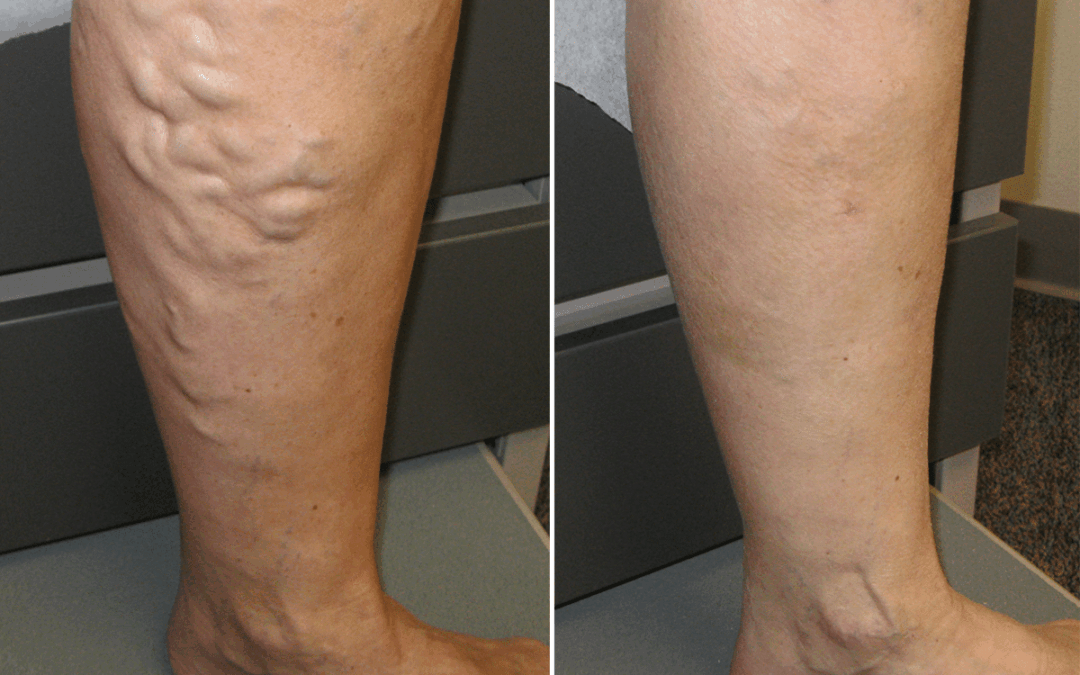
Varicose veins are one of the most common vascular conditions affecting women worldwide. Characterized by enlarged, twisted, and often visible veins beneath the skin, they most frequently develop in the legs and feet. While many people initially consider them a cosmetic concern, varicose veins can also cause discomfort, heaviness, swelling, aching, and long-term circulation problems when left untreated.
Medical research consistently shows that women are significantly more likely than men to develop varicose veins. In fact, hormonal changes, pregnancy, lifestyle factors, and genetic predisposition all contribute to the higher prevalence among women. These factors place additional pressure on the veins and influence how blood circulates through the lower body.
As awareness around women’s health continues to grow, understanding why women are more vulnerable to vein disease has become increasingly important. By learning about the causes, prevention strategies, and available care options, women can take proactive steps toward maintaining healthy circulation and improving their overall quality of life.
How Veins Function and Why Problems Develop
Veins are responsible for carrying blood back to the heart after oxygen has circulated through the body. In the legs, this process is more challenging because blood must travel upward against gravity. To support this movement, veins contain tiny one-way valves that prevent blood from flowing backward.
When these valves weaken or become damaged, blood can begin to collect inside the veins rather than moving efficiently toward the heart. This pooling increases pressure inside the veins, causing them to enlarge and become visible beneath the skin.
Over time, this condition may progress into chronic venous insufficiency, where circulation becomes increasingly impaired. Symptoms such as fatigue, swelling, cramping, and skin irritation may begin to interfere with daily life. For many women, these symptoms worsen gradually over the years, especially when contributing risk factors remain unaddressed.
Hormonal Changes and Their Influence on Vein Health
One of the primary reasons women are more prone to varicose veins is the influence of hormones. Female hormones such as estrogen and progesterone affect blood vessel elasticity and circulation. While these hormonal shifts are natural, they can weaken vein walls and reduce the efficiency of vein valves over time.
Hormonal fluctuations occur during various stages of life, including puberty, pregnancy, menstruation, and menopause. Birth control medications and hormone replacement therapies may also influence vascular health in some women.
These hormonal changes can make veins more susceptible to stretching and increased pressure. As vein walls lose elasticity, blood circulation becomes less efficient, increasing the likelihood of vein enlargement and visible vein disease.
Pregnancy and Increased Vein Pressure
Pregnancy is one of the most significant contributors to varicose veins in women. During pregnancy, the body experiences major physical and hormonal changes that directly affect circulation.
Blood volume increases significantly to support the growing baby, placing extra pressure on the veins. At the same time, the expanding uterus can compress pelvic veins, making it harder for blood to flow efficiently from the legs back to the heart.
Hormonal changes during pregnancy also relax vein walls, further increasing the risk of blood pooling. Many women notice varicose veins appearing for the first time during pregnancy or becoming more prominent after multiple pregnancies.
Although some vein symptoms improve after childbirth, others may persist or worsen over time. This makes postpartum vein care and long-term circulation management especially important for women’s vascular health.
Genetics and Family History
Genetics also play a major role in determining a woman’s risk of developing varicose veins. Research shows that women with close family members who have vein disease are significantly more likely to experience similar conditions themselves.
Inherited traits can affect vein strength, connective tissue quality, and valve function. Women who are genetically predisposed may develop vein issues earlier in life or experience more advanced symptoms over time.
While genetics cannot be changed, understanding family history can help women recognize early warning signs and seek preventive care sooner rather than later.
Lifestyle Factors That Increase Risk
In addition to hormones and genetics, everyday lifestyle habits can strongly influence vein health. Women whose jobs require prolonged standing or sitting may place continuous pressure on their leg veins, making circulation less efficient.
Lack of physical activity can also contribute to poor blood flow. Movement helps activate calf muscles, which act as a natural pump to support circulation in the legs. Without regular movement, blood is more likely to pool in the lower extremities.
Excess body weight can further increase pressure on the veins, while restrictive clothing and high heels may also affect circulation. Over time, these factors can worsen symptoms and accelerate the development of varicose veins.
Recognizing Early Symptoms of Vein Disease
Varicose veins often develop gradually, which means early symptoms may go unnoticed or be mistaken for general fatigue. Many women initially experience aching, heaviness, or swelling in the legs after long days of standing or sitting.
As the condition progresses, veins may become more visible beneath the skin, appearing blue or purple and slightly raised. Some women also experience burning sensations, nighttime leg cramps, itching, or skin discoloration around the ankles.
Recognizing these early warning signs is important because prompt intervention can help prevent more serious complications. Untreated vein disease may eventually lead to skin ulcers, chronic swelling, or blood clotting issues in advanced cases.
Prevention Strategies for Healthy Veins
Although not every case of varicose veins can be prevented, healthy lifestyle habits can significantly reduce the risk and slow progression. Regular physical activity remains one of the most effective ways to support circulation and strengthen leg muscles.
Walking, swimming, stretching, and low-impact exercises help improve blood flow while reducing pressure inside the veins. Maintaining a healthy body weight also supports vascular health by minimizing strain on the lower body.
Women who spend long periods standing or sitting should try to change positions regularly and take movement breaks throughout the day. Elevating the legs when resting can also encourage healthier circulation and reduce swelling.
Compression stockings may provide additional support by improving blood flow and reducing vein pressure. Many women find them especially helpful during pregnancy or while traveling for extended periods.
Modern Treatment Options for Varicose Veins
Advancements in vascular medicine have made vein treatments more effective and far less invasive than in the past. Modern procedures focus on improving circulation while minimizing discomfort and recovery time.
Minimally invasive treatments such as endovenous laser therapy, radiofrequency ablation, and sclerotherapy are now commonly used to address damaged veins. These procedures are typically performed in outpatient settings and often require little downtime.
For women seeking specialized care, exploring options for Vein Treatment in Woodlands can provide insight into how advanced vascular treatments are helping improve both comfort and circulation with modern medical techniques.
Early treatment not only improves physical symptoms but can also enhance confidence and overall quality of life.
Emotional and Psychological Effects of Vein Disease
The impact of varicose veins is not always physical. Many women experience emotional frustration or self-consciousness related to visible vein changes, especially when symptoms interfere with clothing choices, physical activity, or social confidence.
Chronic discomfort can also affect mood, energy levels, and overall emotional well-being. This connection between physical health and emotional wellness highlights why vein care should be viewed as an important aspect of women’s overall healthcare rather than merely a cosmetic issue.
Supportive care, education, and professional guidance can help women feel more empowered in managing their vascular health and seeking appropriate treatment.
The Importance of Early Intervention
One of the most valuable aspects of modern vein care is the ability to address problems early before they progress into more serious conditions. Women who pay attention to symptoms and seek professional evaluation can often prevent long-term complications through timely treatment and preventive strategies.
Early intervention also allows for more conservative treatment approaches, reducing the likelihood of extensive procedures in the future. Healthcare providers can create personalized care plans based on lifestyle, symptoms, medical history, and circulation patterns.
Looking Ahead: A Better Future for Women’s Vein Health
As medical research continues advancing, awareness around women’s vascular health is steadily improving. Healthcare providers now recognize the importance of addressing vein disease not only for physical comfort but also for long-term wellness and quality of life.
Technological innovations and minimally invasive procedures are making treatment safer, more accessible, and more effective than ever before. At the same time, increased education is helping women better understand their risks and preventive options.
Final Thoughts: Taking Vein Health Seriously
Varicose veins are far more than a cosmetic concern. For many women, they represent a complex vascular condition influenced by hormones, genetics, pregnancy, lifestyle, and aging. Understanding these factors is the first step toward prevention and effective care.
By prioritizing circulation, maintaining healthy habits, and seeking professional guidance when needed, women can protect their vein health and improve their overall well-being. Modern treatments and preventive strategies now offer more hope and flexibility than ever before, allowing women to manage vein disease with greater confidence and comfort.
Ultimately, vein health is an essential part of women’s health, and addressing it early can lead to better physical, emotional, and long-term outcomes.