
When you’re driving down a familiar Las Vegas road, the last thing you expect is for the road itself to be the biggest danger. But hitting a deep pothole at 40 miles per hour can feel like slamming into another car. The impact can blow out tires, bend rims, or even cause you to lose control of the vehicle. It’s frustrating, and most drivers are left wondering who is actually responsible for the condition of the road.
And it’s not just potholes. Poorly maintained roads can also mean faded lane markings that are nearly impossible to see, especially during a desert rainstorm. When those lines disappear, the chances of a sideswipe or lane drift go way up. These kinds of hazards are harder to notice ahead of time but can be just as dangerous.
Dealing with the aftermath is not always as simple as filing a standard insurance claim. In some cases, road defects can lead to valid claims against the city or state responsible for maintaining the roadway. Understanding how that process works is an important step toward recovering the costs of vehicle damage, medical bills, and other losses.
The Concept of Sovereign Immunity and Legal Waivers
The most significant hurdle in any case against a government entity is the concept of “Sovereign Immunity.” This legal doctrine is a historical leftover that essentially prevents a citizen from suing the state without its explicit permission. It was originally designed to protect public funds from being drained by constant litigation, ensuring that the government can function without fear of endless court battles.
Nevada, like most states, has passed statutes that waive this immunity in specific, limited circumstances where negligence is clear. However, these waivers come with a variety of “strings attached” that make the litigation much more complex than a standard car crash. The government still enjoys a high level of protection, and they will use every legal shield available to dismiss your claim early in the process.
Successfully bypassing these protections requires proving that the road condition was a result of a “ministerial” failure rather than a “discretionary” one. This means showing that the city failed to follow its own established maintenance protocols or safety standards. Overcoming the immunity barrier is a technical task that requires a disciplined and professional approach to the local civil statutes.
Accelerated Filing Deadlines and Notice Requirements
One of the most dangerous traps for victims is the accelerated timeline for filing a claim against a government entity in Nevada. While you typically have years to sue a private driver, the “Notice of Claim” requirements for a city are much shorter. You may be required to provide a formal, written notice of your intent to sue within just six months of the event.
This notice must be delivered to a specific municipal office and must contain a detailed description of the incident and your injuries. If you miss this deadline by even a single day, your right to seek compensation is permanently barred under state law. This administrative requirement is intended to give the government time to investigate the scene while the evidence is still fresh.
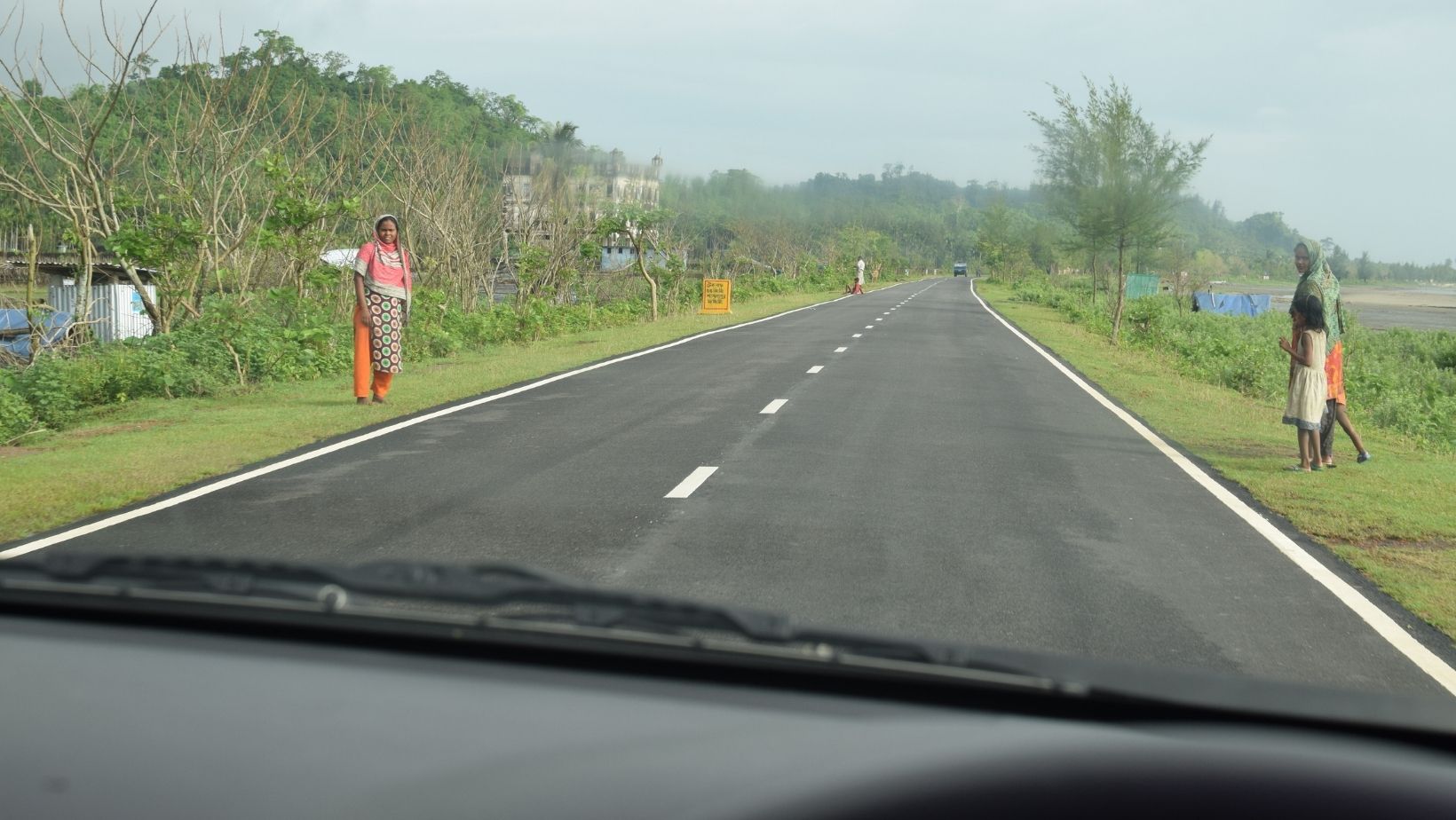
Relying on the standard insurance clock is a mistake that can lead to a total loss of your legal standing. You must be proactive in securing the correct forms and ensuring they are filed with total precision from the start. Managing these accelerated deadlines is a vital part of a professional legal strategy that protects your future financial stability.
Expert Engineering Testimony and Strategic Litigation
Summarizing the process reveals that suing the city is a complex endeavor that requires a high level of specialized expertise. Unlike a simple insurance dispute, these cases involve navigating sovereign immunity, proving municipal notice, and meeting strict filing deadlines. It is a path that should never be traveled without a clear and disciplined plan for the litigation.
Success often depends on the use of expert engineering testimony to prove that the road was fundamentally unsafe according to modern standards. These specialists can analyze the asphalt and the drainage systems to provide the objective evidence needed to win in court. Their professional insights turn a scientific narrative of negligence that a jury can understand.
Ultimately, the goal is to hold the government accountable for the safety of the infrastructure we all use every single day. By demanding high standards in road maintenance, you are helping to make the streets of Las Vegas safer for every family. Reclaiming your peace of mind starts with a commitment to the facts and a refusal to ignore the city’s mistakes.