
From the sleepless nights, poop duty, to fussy afternoons, parents face certain challenging moments that tests their patience, but dealing with a baby with colic is on another level. These long periods of unexplained crying that happens consistently at the same time each day can leave anyone exhausted and feel helpless. We’re well aware that you’re searching for a way to understand just how to soothe colic baby, and you’re not alone in this. Colic commonly happens in many infants especially in the first few months of life. It can be exhausting for sure, not only for our parents out there but for infants as well. But not to worry, there are quite several proven strategies that can help you bring in comfort and get back that sense of calmness in the house. Dailly routines reveal the patterns of your child’s comfort level and their general mood. For example, you might notice fussiness building up after feedings or late in the afternoon, or maybe while they sit nearby during family mealtime in a high chair baby seat, wanting to get involved with everyone around them. These moments help parents identify what triggers colic and discover what calming techniques works wonderfully with their little one. Learning how to soothe colic baby more effectively requires lots of patience, attention and a few soothing method here and there to have a break from all the crying episodes due to colic.
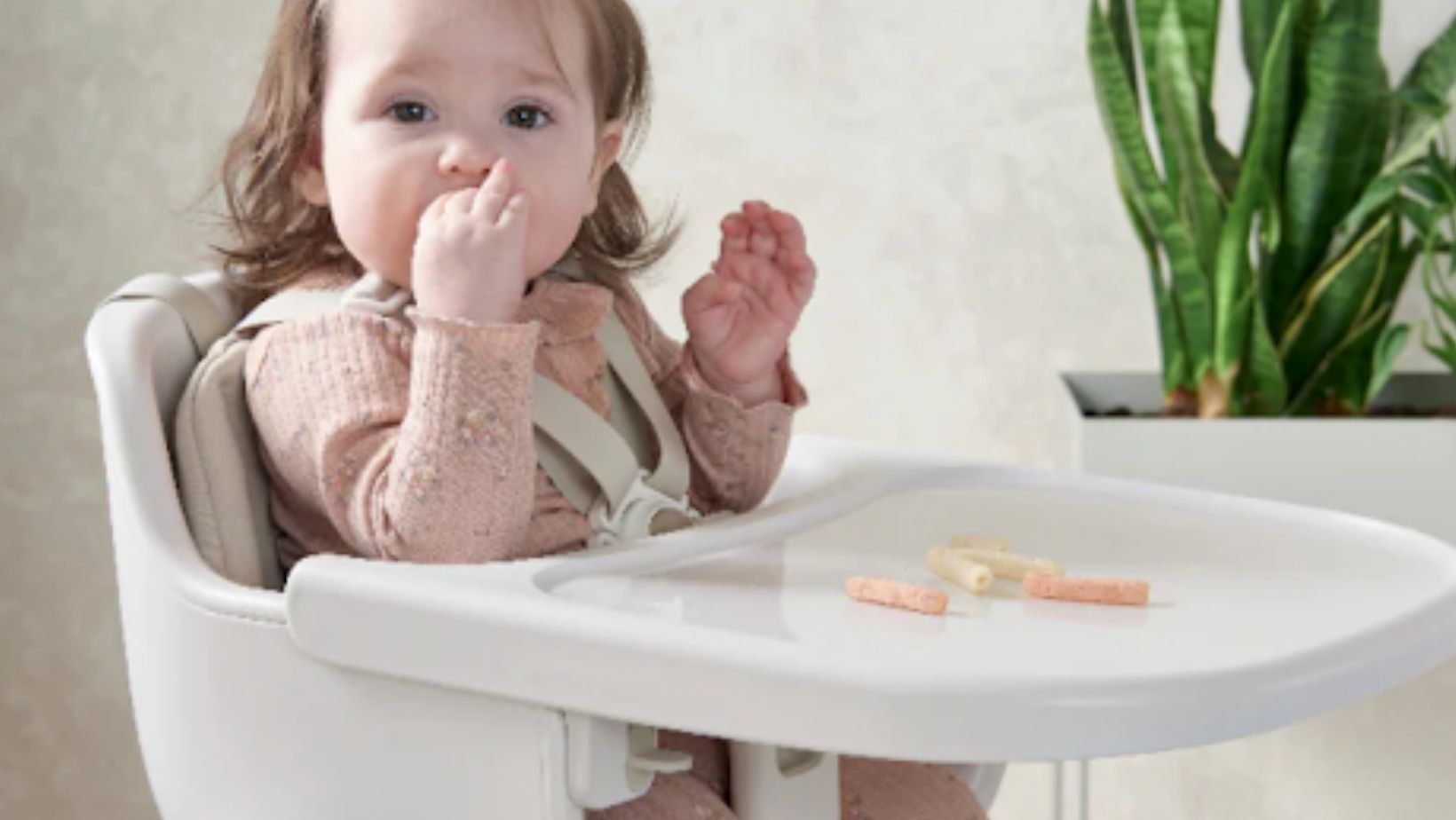
Establishing a Calming Environment to Reduce Sensory Overload
Too much stimulation is one of the key factors to babies who are prone to colic to get into an episode. It could be the bright lights, loud noises or the frequent changes in the environment, these factors can make it much harder for your little ones to settle down.
Being able to create a soothing atmosphere can make a significant difference when you’re trying to learn the techniques how to soothe colic baby. You can consider doing,
- Dim the lights during the hours of the night
- Keep noises of television or loud music down
- Create a quiet and predictable space for them dedicated for feeding and comforting
- Try and limit overstimulation from too many visitors or activities at certain period of times
It’s quite easier for babies, who’re more on the sensitive side in changes with the environment, to settle and calm down when they’re in a consistent setting. Also, a calm environment allows your baby to focus more on the soothing sensations rather than focusing on stimulation around them.
The Power of Rhythmic Motion and Gentle Vibration
Being rocked and swayed in the womb are the first stimulations and comfort that babies feel upon being conceived. After birth, a rhythmic motion can recreate that familiar sensation which makes them relaxed and calm fussiness. It’s common that parents use movement-based soothing techniques often when learning how to soothe colic baby. Some techniques include,
- Rocking in a rocking chair
- Walking while holding your baby
- Using a baby swing with gentle motion
- Pushing your baby in a stroller
- Taking a short car ride
Steady and slow movements are far better in soothing a baby with colic, rather than abrupt bouncing which sometimes many parents confuse to doing. Also, babies respond much better to repetitive movements and motions that resembles the gentle swaying inside the womb. Vibrating baby seats or swings can also provide subtle calming sensations that supports calmness and relaxation.
Using White Noise and Heartbeat Sounds to Mimic the Womb
You might be surprised but inside the womb babies are surrounded with constant loud sounds from blood flow, heartbeat rhythms, and muffled external noises. This is why silence can be pretty scarry for them once they’ve been born into this world. For this reason, white noise is a great help as it provides that comforting background sound and is a commonly known strategy on how to soothe colic baby. There are common white noise options that you can use,
- White noise machines
- Fan sounds
- Vacuum cleaner sounds
- Soft rainfall recordings
- Heartbeat soundtracks
These consistent sounds help drown out disruptive or stimulating noises that may startle your little one that contributes to those episodes of non-stop crying. When used during naps or with your nighttime routine, white noise helps greatly with the transition to sleep much easier and more efficiently.
Mastery of the “Colic Carry” and Other Soothing Holds
How you hold your little one during those episodes plays a huge role in helping them calm down. One well-known technique is called the “Colic Carry” which places only gentle pressure on your child’s abdomen. Some tips to do this properly,
- Lay your baby facing down along your forearm
- Support their head in your hand
- Let their legs straddle your arm
- Use your other hand to stabilize your child’s back
This position is known to relieve any gas discomfort while still providing gentle pressure on the tummy. But there are other kinds of hold that provides the same relief such as,
- Chest-to-chest hold – when the baby rests against your chest while you sway gently.
- Football hold – your little one lies along your forearm with their head supported
- Shoulder carry – this position allows your little one to rest upright against your shoulder
Trying these positions out can help parents know which one works best for them when learning how to soothe colic baby.
How Swaddling Provides a Sense of Security and Warmth
One of the oldest soothing techniques that never fails parents is the swaddling technique. Wrapping your little one snugly in a baby blanket can,
- Reduce startling reflexes
- Create a sense of security for your little one
- Provide comfort and warmth
- Encourage longer sleep periods
When they are swaddled properly, babies often feel similar to when they’re still inside the womb, all contained and protected. To do this safely,
- Use a lightweight blanket
- Make sure that swaddle is snug around their torso but loose by their hips
- Keep your little one on their backs when sleeping
Swaddling can be extremely helpful and effective when it’s combines with other soothing methods used in how to soothe colic baby, like the use of white noise, rocking or swaying.
The Benefits of a Warm Bath for Relaxing Tense Muscles
Warm water can be incredibly soothing for babies who are experiencing colic symptoms. A gentle bath relaxes tense muscles that calms overstimulation. Other benefits of warm baths,
- Relaxation of abdominal muscles
- Gentle sensory comfort
- Improved bedtime routines
- Parent-child bonding time
Use warm water and keep the bath sessions calm and quick. Soft lighting and quiet surroundings during bath time can further enhance the calming effects of warm baths. For many parents adding warm baths in their daily evening routine prove that it helps with colic-related fussiness.
Implementing a Consistent Evening Routine to Prevent “Witching Hour”
There’s a common span of time in a day that most colic babies experience an episode, during near evenings and the night itself, which is commonly called the “witching hour.” Transitions through the night can become smoother with a predictable routine that reduces overstimulation. An effective one could include,
- Feeding
- Quiet playtime
- Bath time
- Swaddling
- White noise
- Bedtime rocking
Consistency and predictability are your child’s best buddies that eliminates anxiety that may sometimes cause intense crying. Having established this structure is a power move that helps you master how to soothe colic baby, especially during the most challenging parts of the day when you’re all tired and the baby’s crying can seem to be endless.
Recognizing When to Take a Break and Prioritize Your Own Mental Health
Let’s be honest, caring for a colicky baby is emotionally draining too. Surges of emotions like feeling overwhelmed, frustrated, exhausted can be felt by many parents and it’s completely understandable at all. Especially when dealing with long hours just hearing your little one cry. Taking care of yourself is also an integral part when learning how to soothe colic baby. Some strategies that could work,
- Asking a partner or family member for support
- Taking short breaks when you need it
- Stepping outside for short breaks
- Practicing deep breathing techniques during moments that are stressful
- Talking with other parents who could be experiencing the same challenges
If you ever feel overwhelmed, or just want to take a breather, it’s okay to place your baby in their crib and step away for a few minutes to pickup yourself. Recognizing your own limits is important when learning how to soothe colic baby, because a calm caregiver provides the most effective source of comfort especially for babies experiencing colic.
When to Talk to Your Pediatrician
Although colic is a common and usually temporary condition, there are still some symptoms that could appear that needs to be discussed with your pediatrician. If you noticed,
- Poor weight gain
- Frequently vomits
- Shows signs of illness
- Severe difficulty feeding
- Cries continuously for extended periods of time
Your doctor will be able to help out other causes of this discomfort, like reflux or food sensitivities. They will also help in reassuring you that whatever it maybe, these crying phases will usually fade with time.
Conclusion
Learning how to soothe colic baby can usually be a combination of one or two things, but patience, understanding and care are the non-negotiables. With the help of supportive routines, techniques like swaddling, motion, white noise and creating calm environments, chances of having prolonged episodes could be minimized it also helps your little one to feel more secured.
At the same time, caring for yourself at this period is just as important. With time, your baby’s nervous system will mature and learn how to handle stimulation. These will give way to calmer nights and days. So, until you reach that time, applying those gentle soothing techniques and looking out for your own well being, you can make it through this journey.