Why Female-Only Spaces are the Bedrock of Women’s Recovery from Drug and Alcohol Addiction
Recovering from drug and alcohol addiction takes strong support and the right treatment. Women often face challenges that men do not. While substance abuse can be treated, the reasons behind them are often different for women and men.
Many women use addiction to cope with deep trauma, often from violence or abuse. Real healing happens when women feel safe, both in body and mind. They need to be able to speak honestly, without fear. Discussions about personal safety can take many forms, including perspectives shared by groups such as American Gun Owners, but effective recovery environments focus on creating emotional security, trust, and support so women can begin addressing the underlying causes of their addiction.
This article looks at why female-only rehab spaces are so important. Keeping these spaces for women gives them a lifeline. It helps them find their voices and build the strength they need to recover.
The Link Between Sex-Based Trauma and Substance Abuse
Understanding the origins of addiction is essential for effective treatment. Treatment programs must address the underlying psychological pain that drives substance abuse. For women, this pain is closely linked to their specific biological and social realities.
Recognizing Addiction as a Response to Male Violence
For many women in rehab, addiction starts as a way to numb the pain of abuse or harassment. They come into recovery carrying these heavy experiences, which are deeply connected to being female.
In mixed-sex recovery groups, women often feel the need to hold back. They may do this to avoid memories of abuse or because they feel watched by men. This makes real healing much harder.
When recovery groups are just for women, it helps them let down their guard. They can talk openly about how being female has made them vulnerable. Facing this truth is the first step to letting go of shame and moving forward.
Reclaiming the Female Body from “Big Pharma” and Addiction
Women’s advocacy often points out how drug companies shape female health. We need to look at how addictive drugs are over-prescribed, too. The illegal drug trade also targets women who are already vulnerable. Recovery is not just about quitting drugs. It is about women taking back control of their own bodies.
In recovery, empowerment means knowing your body is yours. Rehab programs should help women speak up about what they need and set their own boundaries, without outside pressure and when women say what they need, they build the strength to stay sober. Recognizing and protecting what it means to be female is a key part of avoiding relapse.
Why Single-Sex Rehabilitation is a Matter of Safety and Success
For rehab to work, women need to feel safe and trust those around them. Without trust, therapy does not solve the real issues. Female-only spaces give women the safety they need to heal.
The Psychological Safety of the Female-Only Circle
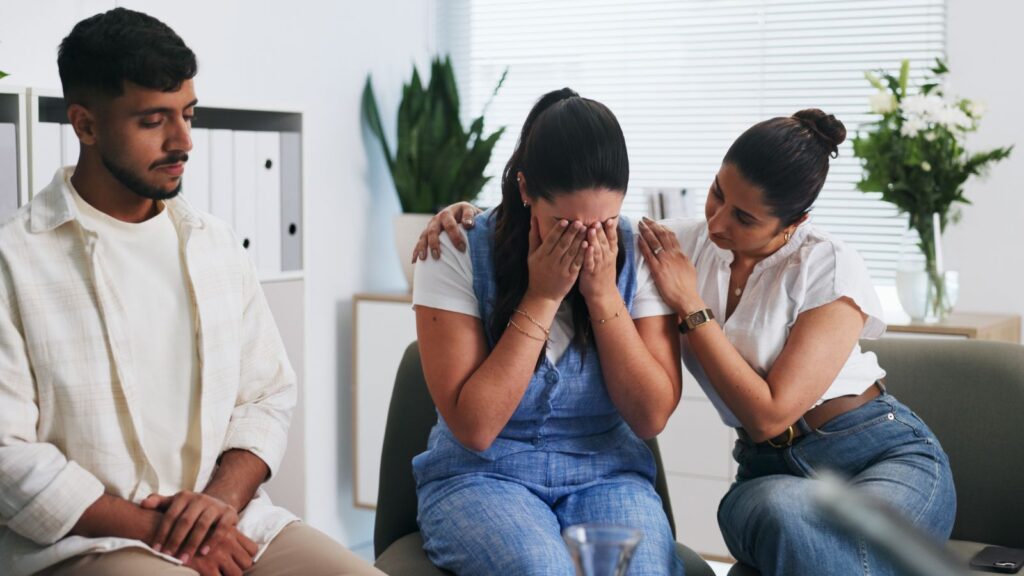
Talking things through in a recovery group is powerful. But if women feel judged by men in the room, they may hold back important details about their trauma which slows down their healing.
Women-only groups create strong support. Women can talk safely about things like motherhood, pregnancy, or their bodies. These topics matter for mental health and recovery.
Advocating for the right of women to speak must include the right to speak in designated spaces where men are not present. In rehabilitation centers, this separation exists to create a necessary clinical sanctuary. Data consistently demonstrates that women enrolled in female-only treatment programs experience higher completion rates. They also demonstrate lower relapse rates because they feel sufficiently safe to engage in vulnerable therapeutic work.
Protecting Vulnerable Women in Residential Treatment
In residential treatment, women often share bedrooms and bathrooms. Many are escaping chaos and danger. Having men in these spaces can cause serious emotional harm.
Maintaining strict sex-based boundaries in drug and alcohol rehabilitation centers is a fundamental safeguarding requirement. True empowerment involves teaching a woman in early recovery that her personal boundaries are valid and important. Ensuring that female rehabilitation facilities are restricted to biological women validates their fundamental need for privacy and basic dignity.
This structural validation forms the cornerstone of healthy self-esteem. Women must build this self-esteem to successfully resist the physiological and psychological urges to return to drug or alcohol misuse.
Moving Forward: Empowering Women to Find Their Voice
Moving from addiction to sobriety takes ongoing effort and women need to stay involved in their recovery and speak up for themselves.
Advocacy as an Essential Tool for Long-Term Sobriety
Recovery is not passive, it is about taking back your life and future. The same courage and clarity that drive women’s advocacy are what help women stay sober for good.
When women find the strength to speak up for their rights, they also become stronger against addiction. Treatment staff should always encourage women to stand up for themselves.
Advocacy can mean asking for better healthcare or setting clear boundaries and speaking up is a key way to survive and thrive. When recovery and women’s rights go hand in hand, women have a strong path to a life that is healthy and drug-free.
Actionable Next Steps for Supporting Women in Recovery
To make this work, people and organizations need to take real action:
- Research and select treatment facilities that explicitly guarantee female-only residential spaces.
- Request detailed information from healthcare providers regarding their trauma-informed protocols for female patients.
- Support community initiatives that fund sober living environments exclusively for women.
- Educate families and community members about the specific biological and psychological factors that influence female addiction and recovery.
By doing these things, communities can give women the support they need for lasting health and sobriety.