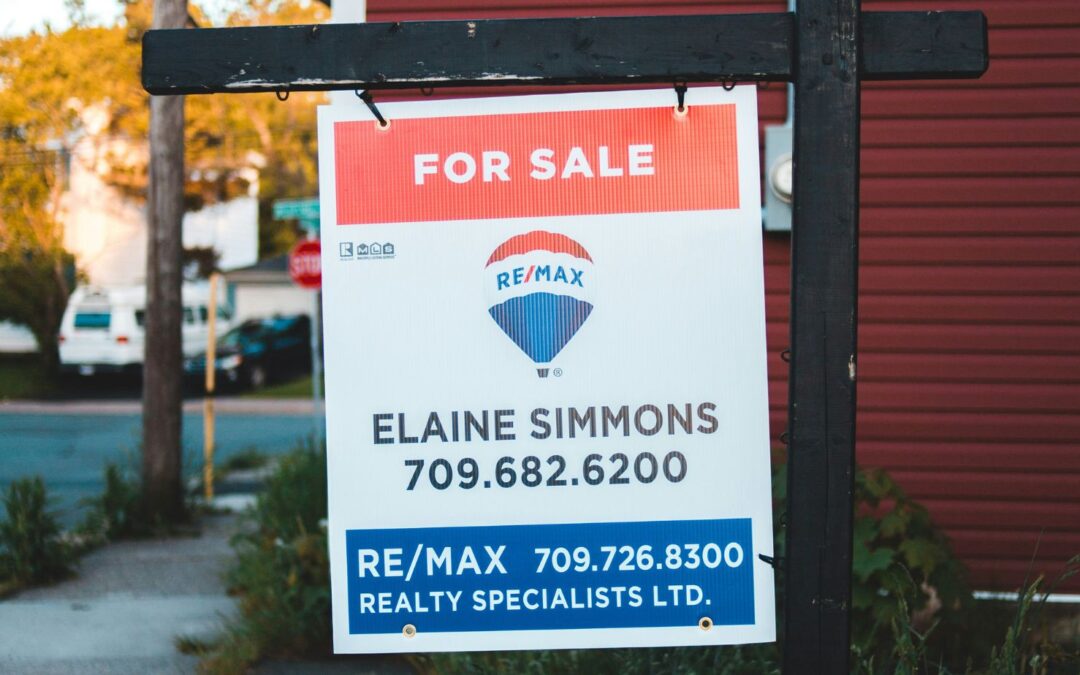
Selling a property is a series of choices that add up fast. A small slip on pricing, prep, or paperwork can slow the sale or cut into your final number. Use these practical tips to spot common pitfalls and keep your deal on track.
Pricing without a Plan
Many sellers set prices by emotion or guesswork. That invites stale days on the market and painful reductions. Build your number on recent comparable sales, current inventory, and how your home stacks up in terms of condition and features.
A 2024 consumer survey from a major real estate marketplace noted that the typical seller had lived in their home for about 12 years, which can blur the market perspective. If you have not tracked sales lately, get fresh data and know the tradeoffs. Price to drive attention in the first 2 weeks, not to test the ceiling.
Skipping Prep and Staging
Buyers shop with their eyes first. Clean, neutral spaces read as move-in ready and signal that the home is well cared for. Aim for bright rooms, simple decor, and clear traffic flow.
A well-known design magazine advised removing personal photos, mementos, and bold decor so buyers can picture their own life in the space. Do a ruthless edit of surfaces and closets, and bring in a few soft touches like fresh towels, a small plant, or a new entry mat. Small updates can yield big returns during showings.
A fast-track declutter checklist
- Box up personal photos and collections
- Clear kitchen and bath counters
- Thin closets to 50% capacity
- Deep clean floors, grout, and baseboards
- Replace burned-out bulbs and fix squeaks
Weak Listing Photos and Descriptions
Your online listing is the first showing. Dark photos, odd angles, or missing rooms push buyers to the next tab. Use natural light, shoot at chest height, and show full rooms. Lead with your strongest spaces, then add balanced views of kitchens, baths, the primary suite, storage, and outdoor areas.
Write a clear description that focuses on the benefits buyers want today. Mention updates with dates, energy features, storage, work-from-home spots, and neighborhood perks. Avoid empty phrases like “won’t last” or “cozy” that do not say anything concrete.
Misreading The Mobile Home Market
Manufactured and mobile homes can follow different rules on titles, land status, financing, and park approvals. Treat that detail work with care from the start. Confirm whether the home is on leased land or real property, and gather the right paperwork early. You may need a quicker path when a park rule change or job move creates a deadline. In that case, you might explore options to sell your mobile home quickly as part of your plan, and then compare net proceeds against a traditional listing. Keep notes on fees, required inspections, and timeline so you can choose the path that fits your situation.
Hiding Defects or Paperwork Issues
Buyers value transparency. Trying to gloss over a roof leak or an unpermitted deck can cause delays, credits, or a failed closing. Preempt that risk. Gather permits, warranties, HOA documents, serial numbers, and service records. If a known issue exists, get a quote so you can price or negotiate with facts.
For mobile homes, confirm title status and any VIN or decal details, plus park application steps if land is leased. A clear roadmap reduces surprises for both sides. If you fix items, keep receipts to show the work was done right.
Poor Timing and Showing Strategy

Timing your go-live can change the traffic you get in week one. Aim for the day that aligns with local search patterns, usually midweek for weekend showings. Watch inventory and rate moves in your micro-market, since more competition or a rate bump can slow activity.
Make showings easy. Use a flexible window, fast confirmations, and neat curb appeal every day. If you get lots of traffic but no offers, change something. That can be price, photos, description, or a simple repair that keeps coming up in feedback.
Clinging To The First Plan
Markets move. What worked for your neighbor 6 months ago may not work now. Set two or three decision points before you list. For example, if you lack an offer after 10 showings, adjust the price or add a staging refresh. If the appraisal looks tight, bring comparable sales and upgrade receipts to the appointment.
Stay data-driven. Track page views, saves, showing counts, and comments. Use that information to make a quick, confident change instead of waiting and hoping. Speed helps you protect your days on market and leverage.
The strongest sales come from a simple plan that you actually follow. Price with fresh data, prep with a buyer’s eye, and keep documents ready. When feedback points to a problem, fix it fast. With a focused approach, you can cut friction, reduce days on market, and protect your bottom line.