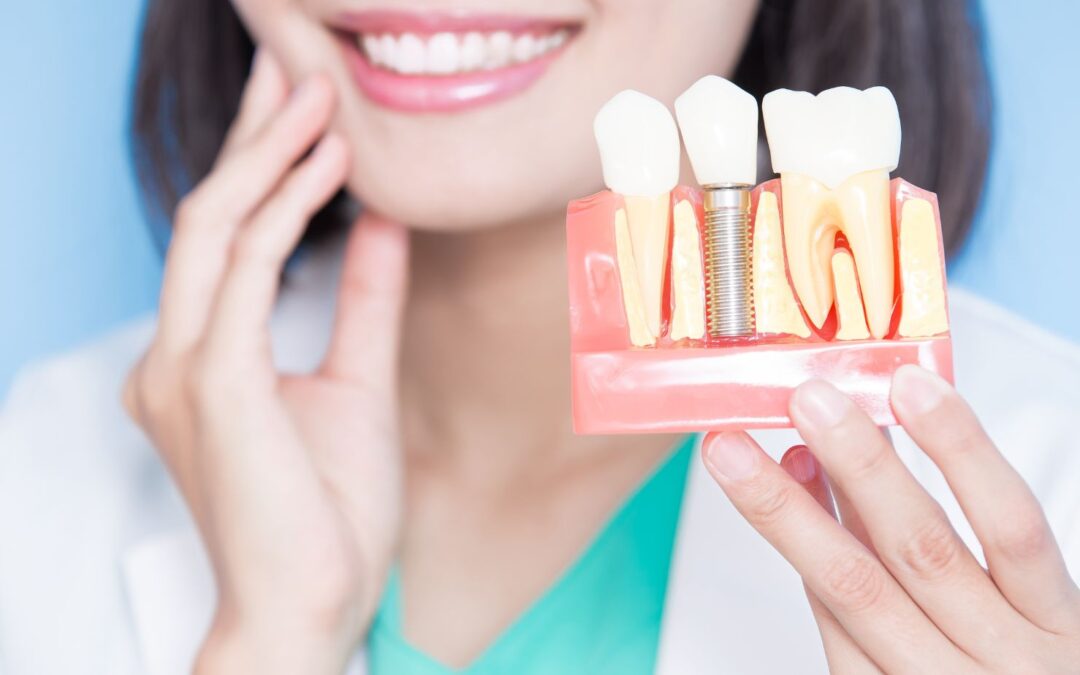
You can often get a tooth removed and a replacement implant in a single visit, so you leave the office with a temporary or permanent tooth in place.
This approach speeds up treatment and helps preserve bone and gum shape, but it works best when your mouth has enough healthy bone and low infection risk.
Keep reading to learn how same-day and one-day implants differ from traditional methods, what to expect during the procedure, and the main benefits and risks so you can decide if this faster option fits your needs.
What Are Same-Day and One-Day Dental Implants?
Same-day and one-day implants let you leave the clinic with a working tooth or set of teeth after a single surgical visit. They combine implant placement with a temporary crown or bridge so you get function and appearance right away.
Definition and Core Features
Same-day implants (also called immediate-load or “teeth-in-a-day”) place the implant and attach a temporary restoration during one appointment. You get a fixed temporary tooth that looks like a natural crown and lets you bite and speak normally while the implant integrates with the bone.
Core features:
- Immediate provisional crown attached to the implant.
- Use of strong primary stability at surgery to hold the implant steady.
- Often requires digital planning (CT scans, guided templates) for precise placement.
- Follow-up visits for monitoring and final crown placement after healing (usually a few months).
You should know that not every case qualifies. Your bone quality, gum health, and bite force matter. Your dentist will test stability and may choose a traditional staged approach if conditions aren’t right.
Types of Immediate Dental Implants
Immediate implants fall into a few common types based on timing and use:
- Immediate single-tooth replacement: Implant placed right after extraction and fitted with a temporary crown the same day.
- Immediate-load full-arch: Multiple implants placed and connected to a fixed temporary bridge to restore a whole arch in one visit.
- Immediate implant with guided surgery: Uses digital planning and surgical guides to improve accuracy and speed.
Each type focuses on primary stability — the implant must be secure in the bone at placement. Full-arch cases often use splinted implants (connected together) to share load. Single-tooth immediates need careful control of biting forces to avoid movement during early healing.
Comparison With Traditional Implants
Traditional implants follow a staged timeline: extraction, months of healing, implant placement, another healing period, then final crown. That typically takes several months to a year.
Key differences:
- Timeline: Same-day = single surgical visit plus healing; traditional = multiple stages over months.
- Temporary teeth: Same-day provides an immediate provisional; traditional often uses removable temporaries.
- Case selection: Same-day needs good bone and low infection risk; traditional suits complex or low-bone cases.
- Risk and monitoring: Same-day can pose higher initial load risk and needs careful monitoring. Traditional offers more predictability when bone or soft tissue needs time to heal.
You should discuss your bone health, medical history, and aesthetic goals with your dentist to choose the right path.
The Evolution of Tooth Replacement
Dental implants moved from crude roots and bridges to precise titanium posts and same-day restorations. You will see how early attempts led to modern implants, the big innovations that changed success rates, and the recent steps that let you leave with a tooth the same day.
History of Dental Implant Technology
Early attempts at replacing teeth date back centuries, using materials like bone, ivory, and metal. These methods often failed because they lacked a way to bond securely with the jawbone.
In the 20th century, researchers tested different metals and shapes. The major turning point came when titanium was found to fuse with bone—this process is called osseointegration. That discovery made implants reliable for long-term use.
By the 1960s and 1970s, implant systems combined threaded titanium screws with better surgical protocols. Training and imaging improved, too, so dentists could place implants more accurately. Today’s implants still rely on those core ideas: strong materials, precise placement, and healthy bone support.
Major Innovations in Implant Dentistry
Several innovations raised success rates and cut treatment time. First, titanium and its alloys gave implants strength and biocompatibility. This reduced rejection and promoted osseointegration.
Second, improved imaging—like 3D cone-beam CT scans—lets you and your dentist plan placement with millimeter accuracy. Guided surgery reduces risks to nerves and sinuses.
Third, new surface treatments on implant posts speed bone bonding. Roughened and coated surfaces increase contact with bone cells, helping stability faster.
Fourth, prosthetic design advanced. CAD/CAM milling and stronger ceramic crowns create natural-looking teeth that fit precisely. These changes let more patients qualify for implants and shortened recovery.
Recent Advances in Same-Day Procedures
Same-day (immediate-load) implants let you leave with a temporary crown within hours of placement. These procedures depend on good initial stability of the implant and accurate planning.
You will often see same-day solutions used for single teeth, multiple teeth, or full-arch methods like Teeth-in-a-Day and All-on-4. These techniques use angled implants and fewer posts to support a full prosthesis, reducing surgery time.
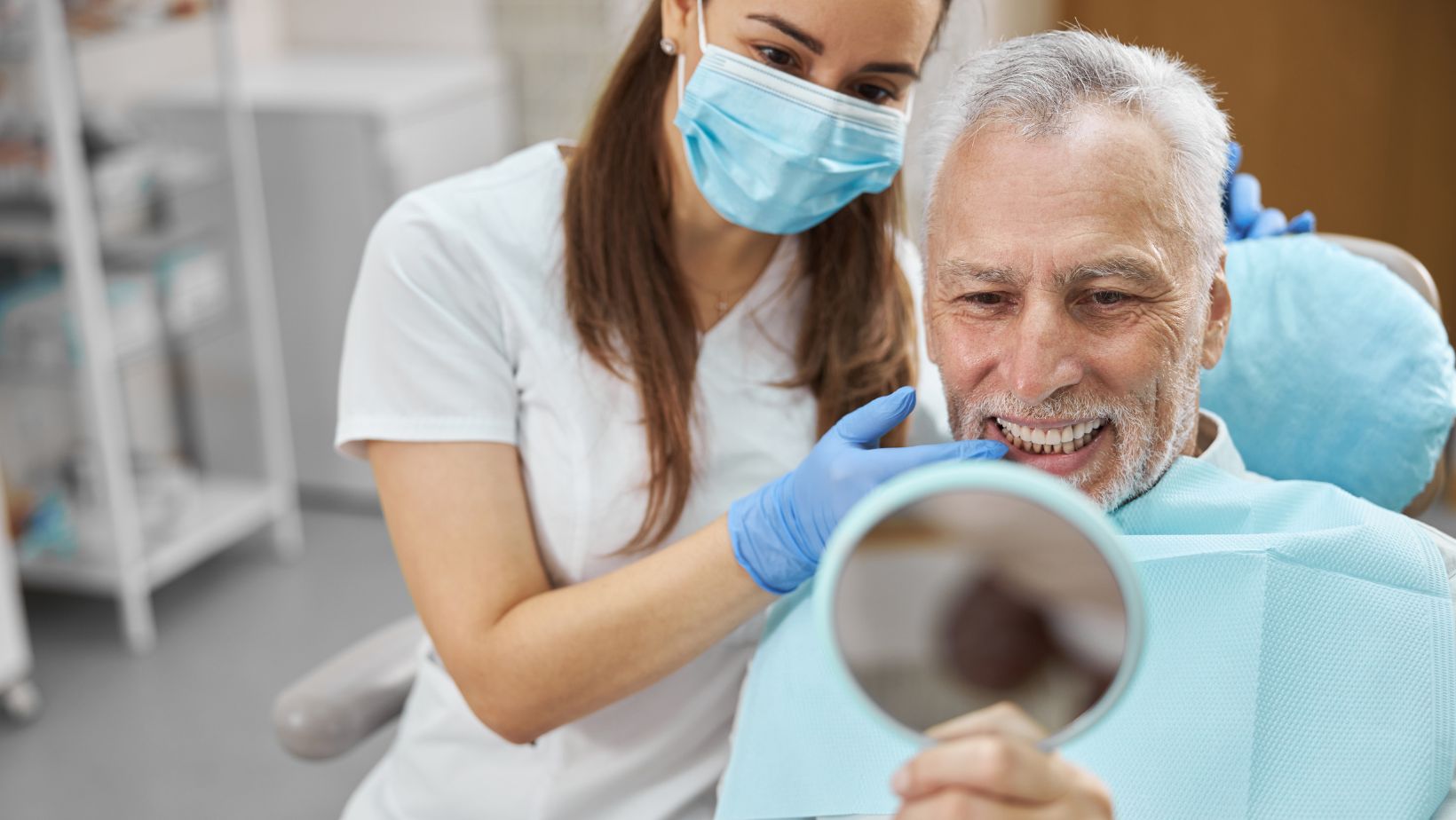
Digital workflows—digital scans, 3D planning, and prefabricated provisional restorations—make same-day care predictable. Still, not every case qualifies: you need enough bone, good gum health, and controlled bite forces. When those conditions exist, same-day implants can cut appointments and give immediate function and aesthetics.
Benefits and Considerations of Same-Day Dental Implants
Same-day implants let you leave the clinic with a tooth or temporary prosthesis on the same visit as extraction or implant placement. They save time but require careful planning, tests, and the right bone and gum conditions.
Time Efficiency and Convenience
You can get a replacement tooth in one appointment instead of waiting months. That means fewer clinic visits, less time off work, and no long period wearing removable dentures.
The procedure often bundles extraction, implant placement, and a temporary crown into a single session. This reduces the total treatment timeline from several months to days or weeks for the provisional restoration.
Plan for longer chair time that day—procedures can last several hours. Also expect follow-up visits for checks and to receive the final crown after healing.
Suitability and Candidacy
Not everyone qualifies for same-day implants. You need enough healthy jawbone and good gum tissue to support immediate loading.
Your dentist will evaluate bone density, infection status, and bite forces. Smoking, uncontrolled diabetes, active gum disease, or heavy bruxism (teeth grinding) can make immediate implants risky.
Sometimes bone grafting or staged placement remains the safer option. Your clinician will use scans and tests to decide if immediate loading or a delayed approach gives the best chance of long-term success.
Cost Factors and Value
Same-day implants often cost more per visit than a simple extraction or a delayed implant stage. You may pay for imaging, surgical time, temporary crowns, and specialized parts.
Insurance coverage varies; many plans treat implants as elective. Ask for an itemized estimate that lists the implant, abutment, temporary crown, and any grafting or scans.
Consider value, not just price. You may save time and fewer appointments, but you should weigh the higher upfront cost against the long-term durability and fewer months of inconvenience.
Outcomes and Patient Satisfaction
Immediate implants can offer high satisfaction when cases are selected well. Many patients report positive esthetics and comfort from leaving the clinic with a tooth.
Success relies on proper surgical technique, stable primary implant fixation, and controlled biting forces during healing. If these conditions are met, survival rates approach those of traditional implants in published studies.
Be aware of slightly higher early failure risk if conditions are suboptimal. Your team should explain signs of complications and schedule close follow-up to monitor healing and fit.
Treatment Process and Aftercare
You will see how the implant is placed, what to do in the first days, and what risks to watch for. The steps include consultation, implant placement with a same-day crown or temporary prosthesis when possible, and clear aftercare rules to protect healing.
Step-By-Step Procedure Overview
You start with a consultation and 3D imaging to check bone, nerves, and sinus position. Your dentist will plan implant size and angle from the scan. If your bone is strong enough, the implant is placed and an abutment plus a provisional crown or full-arch prosthesis may be attached the same day.
The surgical visit usually takes 1–3 hours for one or a few implants. Local anesthesia and optional sedation keep you comfortable. Your provider will test implant stability; immediate loading only happens when primary stability meets a set threshold.
Follow-up includes suture removal or check at 7–14 days, then scans or clinical checks at 3 and 6 months while bone integrates. Final crown or permanent prosthesis gets placed once osseointegration is confirmed.
Aftercare Guidelines for Immediate Implants
Control bleeding by biting gauze for 30–60 minutes; change gauze as needed. Use ice on the cheek for 10–20 minutes at a time during the first 24 hours to reduce swelling.
Eat soft foods for 1–2 weeks. Avoid hard, crunchy, or sticky foods that stress the implant or provisional crown. Chew on the opposite side when possible.
Keep the area clean: gently rinse with a saltwater solution 4–6 times daily after 24 hours. Brush nearby teeth carefully; avoid direct scrubbing of the surgical site for a few days. Take prescribed antibiotics or pain medicine exactly as directed.
Avoid smoking and limit alcohol during healing. Skip heavy exercise for 48–72 hours to reduce bleeding and swelling. Report fever, uncontrolled pain, or pus to your dentist right away.
Potential Risks and Precautions
Infection, implant failure, and nerve injury are the main concerns. Infection shows as increasing pain, swelling, fever, or drainage; it needs prompt treatment with antibiotics and cleaning.
Failure can occur if the implant loses stability before bone grows in. Signs include movement or persistent pain. Your dentist may remove the implant and allow the site to heal before trying again.
Nerve or sinus complications are uncommon but possible when implants sit near nerves or the maxillary sinus. Symptoms include numbness, tingling, or sinus pressure. If that happens, contact your provider immediately for evaluation and imaging.
Follow your provider’s loading, diet, and hygiene rules exactly to lower these risks. Keep all follow-up visits so problems can be found and treated early.