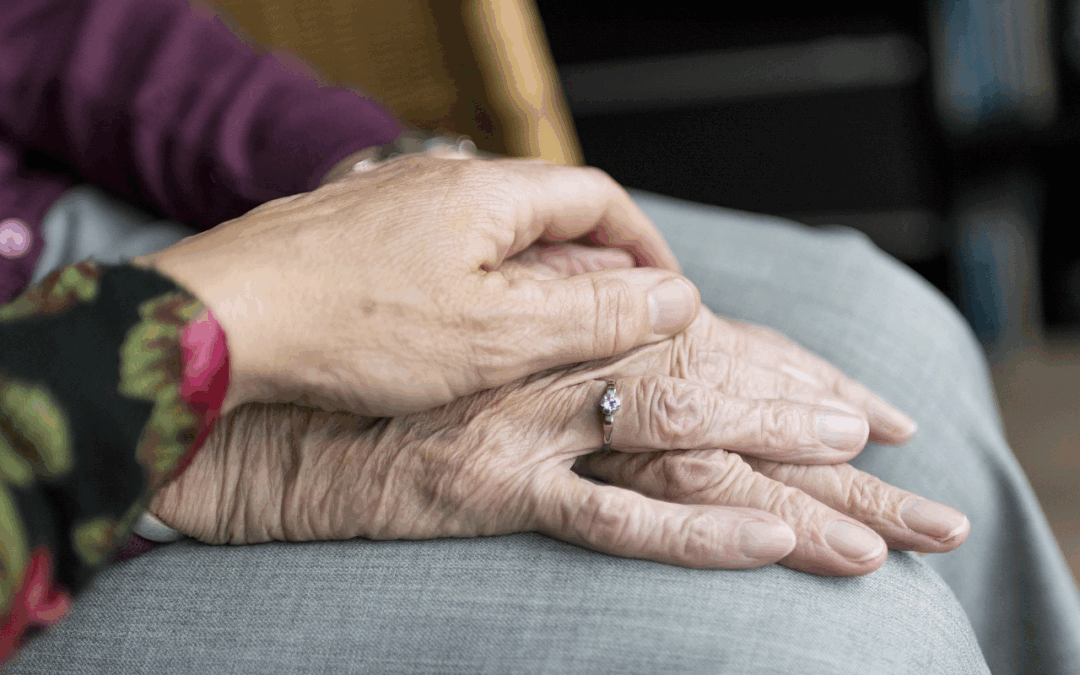
Specialised care plans look great on paper, but real life is messy. Goals shift, symptoms flare, and families juggle a lot. Professional support turns a plan into day-to-day progress that is safe, consistent, and adaptive.
Professional Support Turns Plans Into Action
A care plan can list therapies, schedules, and safeguards, but it will stall without skilled hands to run it. Qualified workers translate goals into simple steps, set routines, and spot early signs that something is off. They keep records that make reviews easier and faster.
When professionals coordinate across services, duplication drops, and energy goes where it matters most. They keep the plan moving during holidays, roster changes, and health setbacks. That stability reduces stress for participants and families.
Finding The Right Fit At Home
Home is where routines stick. The right workers adapt tasks to kitchens, bathrooms, and local streets, not just clinic rooms.
This is where trust grows fastest, since support fits around daily life rather than forcing life to fit the plan. You can access in-home support Queensland or whatever is local to you as part of a wider care pathway – and this local focus matters since providers know the services, transport, and community groups nearby. With a team that understands your suburbs and schedules, home strategies are easier to practice and maintain.
That familiarity reduces anxiety and lifts independence.
Why Specialised Plans Need Coordinated Care
Complex needs often involve multiple clinicians and supports. One person may see a GP, a physio, a speech pathologist, and a behavior specialist. Professional support teams connect the dots so everyone works toward the same targets and uses the same strategies.
A national disability profile highlighted how common this complexity is, noting that many people under 65 with severe or profound disability see several health professionals for the same condition.
This makes joined-up support important for clarity, safety, and results, as the Australian Institute of Health and Welfare has reported.
Building Capacity In Community Settings
Care is not only about the home. Community participation builds skills, confidence, and a sense of purpose. Low-intensity programs can help people engage in activities, reconnect with interests, and try new roles with the right scaffolding.
Guidance in Queensland describes how these supports are designed to boost active participation rather than replace it, a principle reflected in the Queensland Community Support Scheme.
Professional workers make these steps safer and more sustainable. They break tasks into small milestones, plan travel, and check venues for accessibility. Success outside the home builds momentum back inside the home, creating a positive loop.
Getting The Basics Right: Safety, Quality, And Oversight
High-quality care relies on reliable systems. That includes worker checks, training, incident reporting, and clear escalation paths.
Recent reporting from the national disability system counted a very large number of continuing active records, underscoring the scale of the sector and why strong oversight truly matters, according to the National Disability Insurance Scheme.
Skilled providers treat safety as part of the everyday routine. They use simple prompts and visual cues, keep notes concise, and flag concerns early. This steady attention reduces avoidable risks and helps families feel heard.
Measuring What Good Support Looks Like
You should be able to see and feel progress. Professional teams use plain metrics and brief notes so results are obvious. Consider these practical signs:
- Goals are broken into weekly actions that match daily routines
- Small gains are recorded quickly and reviewed at set times
- Communication is consistent across all workers and clinicians
- Changes to the plan are explained simply and implemented fast
- Family input is invited and documented without fuss
When these basics are in place, reviews become straightforward. You can point to clear steps taken, barriers found, and strategies adjusted. That makes funding conversations and clinical appointments more productive.
Training That Sticks And Skills That Transfer
Good training does not drown workers in jargon. It focuses on the few techniques that matter most for the person at the center of the plan. Short refreshers, shadow shifts, and quick checklists help new staff pick up routines without losing momentum.
This approach builds transfer skills. A communication method learned during breakfast can be used at the shops. A balance technique from physio can be used in the garden path. Professional support looks for these links and practices them until they become habits.

Families And Carers As Part Of The Team
Families carry deep knowledge. Professional workers should invite that knowledge and make space for it. Short handover chats, shared calendars, and plain-language updates turn families into confident partners rather than exhausted bystanders.
When life changes, the team adapts. New medication, a move, or a school shift can throw a plan off course. With professional support, the plan bends rather than breaks, since the team is already in the habit of adjusting and checking results.
Specialised care plans promise structure, but people need more than a document. They need skilled support that shows up, listens, and keeps learning. With the right professionals in place, small steps add up to bigger wins, and daily life feels more stable and hopeful.