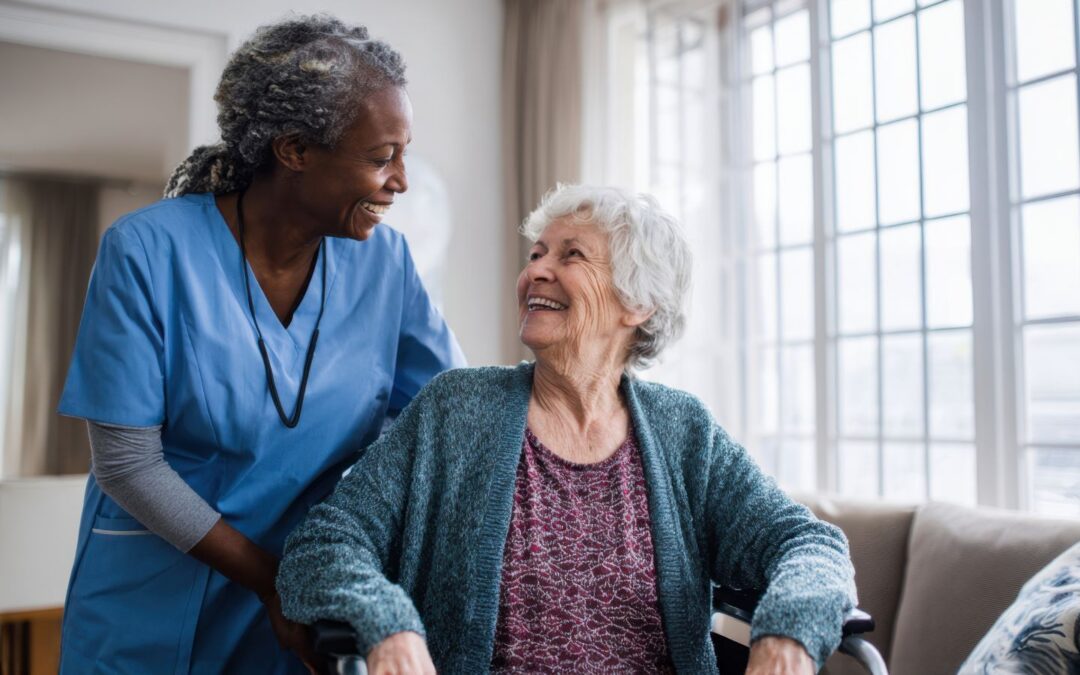
For a long time, the world of elder care felt static. Families often found themselves caught between two extremes: managing every detail of a loved one’s care personally or hiring a full-scale agency that required significant weekly commitments, but as we move through 2026, a third path has emerged.
On-demand caregiving is fundamentally changing the way we support our elders. By leveraging technology to connect families with helpers for specific tasks, this model is making it possible for seniors to maintain their independence without placing an unsustainable burden on their relatives.
Understanding the Shift to Precision Care
The traditional care model was built on blocks of time, usually four to eight hours at a minimum. However, many seniors don’t need a full day of medical supervision; they might just need a hand with the “friction points” of their day.
This is where the on-demand model shines. It allows for “precision care,” where you can book assistance for the exact moments it’s needed. Whether it’s help getting through a morning routine, a ride to a physical therapy session, or someone to prep a few nutritious meals, the focus is on the specific task rather than the clock.
The Evolution of Senior Helper Jobs
A key driver of this change is the growth of senior helper jobs; these roles are distinct from clinical nursing or home health aides. Helpers in this category focus on companionship and non-medical support, filling a vital gap in the care ecosystem.
Because these positions often attract individuals looking for flexible, meaningful work, such as retirees, students, or those with a natural gift for caregiving, the pool of available support has grown. These helpers bring a sense of community and social engagement that is often just as important for a senior’s health as their physical safety.
How Families Find Affordable In-Home Senior Care
One of the most immediate benefits of the on-demand revolution is financial flexibility. The high cost of elder care is often driven by the “all or nothing” nature of traditional services. When you remove the need for long hourly minimums and high administrative overhead, at home care becomes much more attainable.
Families are now able to:
- Pay for specific outcomes rather than just a presence in the house.
- Scale support up or down week by week based on their own availability.
- Reduce total expenditure by handling the easy tasks themselves and outsourcing only the most challenging or time-consuming ones.
This “bite-sized” approach to hiring help ensures that families are investing their resources where they will have the most significant impact on their loved one’s quality of life.

Practical Tips for Integrating On-Demand Care
Transitioning to this new model requires a shift in mindset. Here are a few tips to help your family navigate the process smoothly:
- Audit the “Sticking Points”: Spend a few days observing where your loved one struggles most. Is it grocery shopping? Keeping up with laundry? Focus your first few on-demand bookings on these specific areas.
- Prioritize Consistency Where Possible: Even though the platform is on-demand, many families try to book the same helper for recurring tasks. This helps build the trust and rapport that is essential for long-term success.
- Clear Communication via the App: Use the digital tools provided by the platform to leave specific notes. The more detail you provide about preferences, like a favorite tea or a preferred walking route, the better the experience will be for both the helper and the senior.
- Start Small: You don’t need to overhaul your entire routine in a day. Try a two-hour companionship visit once a week to get everyone comfortable with the idea of a “helper” being in the home.
Common Questions About On-Demand Support
How do I know the person coming into the home is trustworthy? Modern platforms prioritize safety by implementing multi-layered vetting processes. This typically includes background checks, identity verification, and often a rating system where you can see feedback from other families. This transparent accountability is a core feature of the on-demand model.
What happens if my needs change suddenly? The beauty of this model is its responsiveness. If a family caregiver falls ill or an emergency arises, on-demand platforms are designed to fill those gaps quickly, often allowing you to find help within hours rather than days.
Is this only for seniors who live alone? Not at all. Many families living in multi-generational homes use these services to provide a change of pace for the senior or to allow the primary family caregiver to focus on their own work and well-being without leaving their loved one unattended.
The Future is Flexible
The rise of on-demand care is more than just a technological trend; it is a move toward a more compassionate and realistic way of living. It acknowledges that every family is unique and that care should be a support system, not a source of stress. By embracing helper jobs and the path toward affordable senior care, we are creating a world where aging in place is a dignified, supported, and joyful experience.