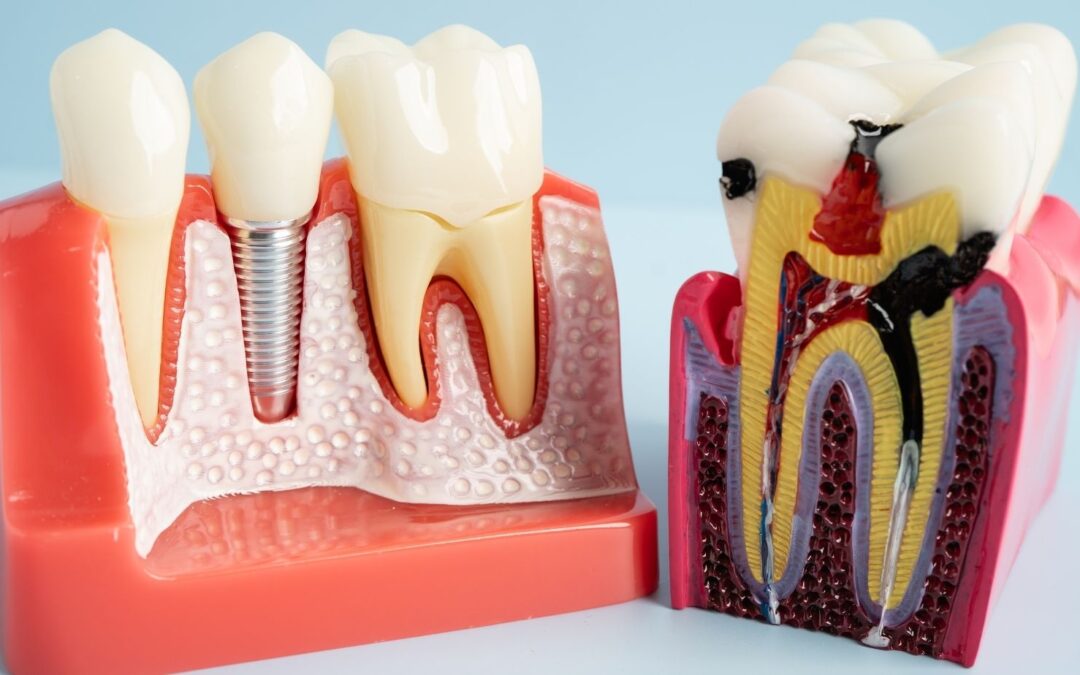
When deciding between dental implants and dentures, understanding the long-term costs is key. While dentures typically cost less upfront, they often need regular replacements and maintenance. Dental implants cost more initially but tend to be more cost-effective over time because they last longer and require less upkeep.
You should also consider how each option affects your daily life and oral health. Implants can preserve bone and feel more natural, while dentures may require adjustments and can be less stable. Knowing these factors can help you find the best fit for both your budget and lifestyle.
This article will break down the true long-term costs of implants versus dentures so you can make a clear, informed choice about your dental care.
Understanding Dental Implants and Dentures
You will find that dental implants and dentures serve different purposes and have unique features. Implants are fixed solutions, while dentures are removable. Each option affects your mouth and lifestyle in distinct ways, especially in cost and care.
What Are Dental Implants?
Dental implants are artificial tooth roots made of titanium. They are surgically placed into your jawbone and act as a stable base for replacement teeth. Once healed, implants hold crowns, bridges, or dentures firmly in place. Patients considering long-term tooth replacement options can learn more about Dental Implants by Otero Cosmetic and Implant Dentistry and how this treatment restores both function and appearance.
Because implants fuse with your bone, they function like real teeth. This gives you better chewing ability and helps prevent bone loss over time. Implants do require surgery and a healing period that can take several months, allowing the bone to integrate fully.
Although the initial cost is higher, implants are designed to last many years—often a lifetime with proper care. They provide a natural look and feel, though candidacy depends on factors such as bone health, overall oral condition, and budget.
What Are Dentures?
Dentures are removable appliances that replace missing teeth and some gum tissue. They come as full sets for all teeth or partial ones to fill in smaller gaps. Dentures rest on your gums and are held in place with suction or adhesive.
They are less expensive upfront compared to implants and do not require surgery. However, dentures can feel bulky or loose. You may need to remove them for cleaning and soak them nightly.

Over time, dentures may need adjustments, relining, or replacements due to changes in your mouth shape. While they improve appearance and basic chewing, they do not prevent jawbone loss like implants.
Key Differences Between Dental Implants and Dentures
| Feature | Dental Implants | Dentures |
| Attachment | Fixed in jawbone | Removable, rests on gums |
| Stability | Very stable, functions like natural teeth | Can shift, may feel loose |
| Maintenance | Brushing and flossing | Removal and soaking daily |
| Lifespan | Often lasts a lifetime | Usually replaced every 5-10 years |
| Initial Cost | High upfront | Lower upfront cost |
| Comfort | Feels natural | Can feel bulky or cause soreness |
| Bone Health | Prevents bone loss | Does not prevent bone loss |
You will want to balance comfort, cost, and long-term effects when choosing between these options.
Initial and Ongoing Costs
You will face different costs when choosing between dental implants and dentures. These include the money you pay upfront and the expenses that come later from care and maintenance. Understanding these costs can help you plan your budget clearly.
Upfront Costs of Dental Implants
Dental implants generally have a higher initial price. A single tooth implant can cost between $3,000 and $5,000. This price covers the implant, the abutment, and the crown. If you need more implants or a full mouth replacement, the cost rises significantly.
The upfront cost reflects the surgery, materials, and specialist work involved. It also includes any scans or tests required before the implant is placed. While high, this cost gives you a fixed, permanent tooth replacement.
Upfront Costs of Dentures
Dentures usually cost less upfront than implants. A full set of dentures can range between $1,000 and $1,500 depending on the materials and fit. Partial dentures may cost less.
The price includes molding your mouth, crafting the denture, and adjustments made during fittings. Dentures are removable, so they do not require surgery. Their lower entry cost appeals to many people who need quick, affordable tooth replacement.
Maintenance Costs Over Time
Over time, dentures often need more upkeep than implants. You might need to replace dentures every 5 to 8 years because they wear down or your mouth shape changes. Cleaning solutions and adhesives are ongoing expenses.
Dental implants generally require only regular brushing and flossing, similar to natural teeth. You usually do not face extra costs unless complications occur. Over several years, implants tend to be less expensive because you avoid replacements and extra products.
According to this expert cosmetic dentist in Redwood City CA, the best way to determine which restoration fits your long-term budget and lifestyle is to consult with a professional. They can provide a detailed breakdown of the initial investment versus the long-term maintenance for your specific case
Insurance Coverage and Financing Options
Insurance plans vary widely in covering dental implants or dentures. Many plans cover some or all costs of dentures, while implant coverage is often limited or excluded.
Financing options like payment plans, loans, or dental credit cards are commonly available for implants due to their higher upfront cost. Dentures, being less costly, may need less financing but could still qualify for assistance. It’s important to check your insurance and financing options before deciding.
Long-Term Value and Durability
You want a solution that lasts and makes financial sense over time. Durability and the costs involved in upkeep play a big role in your choice between dental implants and dentures. Understanding how long each option lasts and what expenses come with repairs or replacements helps you plan better.
Lifespan of Dental Implants
Dental implants are designed to be a long-lasting solution. With proper care, they can last 20 years or more, and many people keep them for life. The implant itself is made of titanium, which fuses with your jawbone to provide stable support, similar to natural teeth.
Because of this strong bond, implants resist decay and damage that often affect natural teeth and other tooth replacements. Regular dental visits and good oral hygiene are essential to keep your implants healthy. While the crown on top may need replacement after 10-15 years due to normal wear, the implant post usually requires no replacement.
Lifespan of Dentures
Dentures generally last 5 to 8 years before they need to be replaced. Over time, changes in your jawbone and gums affect how well dentures fit. As your mouth changes, dentures may become loose, causing discomfort or difficulty in chewing.
Dentures are made from acrylic and other materials that can chip or wear down. You’ll need adjustments or relining to keep them fitting comfortably. Compared to implants, dentures have a shorter lifespan and more frequent maintenance needs.
Replacement and Repair Expenses
Dental implants have a higher upfront cost, ranging from $3,000 to $5,000 per tooth. However, because they last longer and require fewer repairs, your total expenses over time tend to be lower. You might only need to replace implant crowns after many years.
Dentures cost less initially, about $1,000 to $1,500 for a standard set. But you have to budget for ongoing costs like adhesives, cleaning products, frequent adjustments, and full replacements every few years. These added expenses can make dentures more costly in the long run.
| Cost Factors | Dental Implants | Dentures |
| Initial Cost | $3,000 – $5,000 per tooth | $1,000 – $1,500 per set |
| Replacement Frequency | Crown every 10-15 years | Full replacement every 5-8 years |
| Maintenance Needs | Low | High (adhesives, repairs) |
Additional Factors Affecting Cost
The total cost of dental implants and dentures depends on more than just the price of the devices themselves. Your oral health, hidden fees, and the quality of life improvements from each option all play a role in the expenses you will face. Understanding these details can help you decide which choice fits your needs and budget.
Impact of Oral Health on Total Costs
Your current oral health greatly affects the overall cost. If you have gum disease or jawbone loss, you may need extra treatments before you can get implants. Procedures like bone grafts or periodontal therapy add to the implant cost. Dentures usually need fewer preparatory treatments, making them initially cheaper if your mouth is unhealthy.
However, poor oral health can lead to more adjustments or replacements over time for both dentures and implants. You might face added maintenance fees. It’s important to get a dental exam to estimate the full cost based on your specific oral condition.
Hidden Expenses to Consider
Beyond the sticker price, many costs can surprise you. Implants often require surgery, lab work, and follow-up visits, each with its own fee. Dentures might also need relining, rebasing, or repairs to stay comfortable. These procedures can add hundreds or even thousands of dollars over several years.
You should also factor in time off work, travel to specialists, and possible medications after surgery. Some dental plans don’t cover these extras, meaning you’ll pay out-of-pocket. Knowing about these hidden costs early can prevent budget problems later.
Quality of Life and Functional Benefits
The cost isn’t only financial. Dental implants usually feel more natural and stay secure, reducing problems during eating and speaking. This can lead to better nutrition and less embarrassment in social situations.
Dentures might be less stable and require adhesives, which adds ongoing costs and inconvenience. Dentures also need to be removed and cleaned regularly. While dentures cost less upfront, implants can save you money by reducing ongoing maintenance and improving your daily comfort and confidence.