Intimate care has gradually moved from a private afterthought to a recognized part of overall wellbeing. Products such as lubricants, massage oils and gentle cleansers are no longer used only in intimate moments. They play a role in comfort, skin health and bodily awareness throughout daily life. This shift reflects a broader understanding of how sensitive skin areas function and what they need to stay balanced.
Understanding intimate skin
Intimate skin differs from other areas of the body. It is thinner, more sensitive and strongly influenced by pH balance. Hormonal changes, stress, physical activity and age all affect how this skin feels and reacts. Products developed for general use often overlook these factors, which can lead to dryness, irritation or discomfort.
Modern intimate care focuses on respecting this sensitivity. Soap-free formulas, mild cleansing agents and ingredients that support the natural microbiome are now seen as essential. This approach reduces disruption and supports long-term comfort rather than offering short-term masking effects.
The role of lubricants in comfort and intimacy
Lubricants are commonly associated with sexual activity, yet their function is broader. They help reduce friction, support hydration and protect delicate tissue. This makes them useful not only during partnered or solo intimacy, but also during medical procedures, menopause-related dryness or postpartum recovery.
Water-based, oil-based and hybrid lubricants each serve different needs. Water-based options are lightweight and easy to clean, while oil-based formulas tend to offer longer-lasting glide and skin nourishment. The choice depends on personal preference, skin sensitivity and context of use.
What matters most is ingredient transparency. High-quality lubricants avoid unnecessary additives and focus on skin-friendly components that work with the body rather than overpower it.
Massage as a form of intimate care
Massage is often viewed as a luxury, yet it also supports circulation, relaxation and body awareness. When applied to intimate areas, massage oils and balms can ease tension, increase sensitivity and help reconnect with physical sensations in a calm way.
Intimate massage products are usually designed to absorb slowly and maintain skin hydration. Botanical oils, lightweight plant extracts and soothing agents are commonly used to prevent irritation while allowing smooth movement. This makes massage suitable both for relaxation and for enhancing sensory experiences.
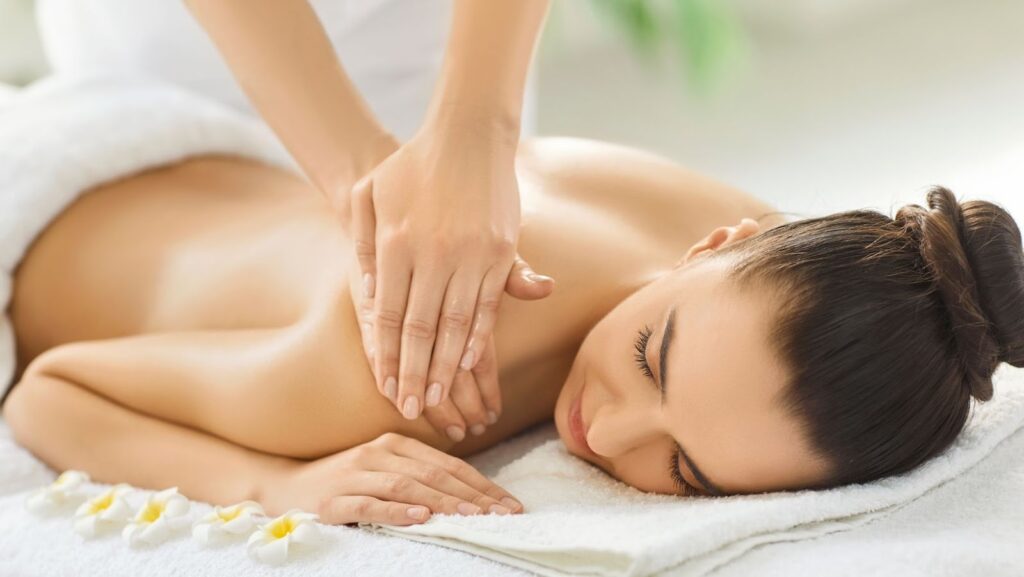
Regular massage can also help individuals become more familiar with their own bodies, which supports confidence and comfort over time.
pH balance and microbiome support
One of the most important developments in intimate care is attention to the microbiome. Beneficial bacteria help protect against irritation and infection, and harsh products can disrupt this balance. Prebiotic and pH-balanced washes are designed to support rather than strip the skin.
Maintaining a stable pH reduces the risk of discomfort and helps the skin recover more quickly after stressors such as shaving, sweating or hormonal fluctuations. This makes gentle daily care an important foundation rather than an occasional fix.
From occasional use to daily routines
Intimate daily care products are increasingly integrated into daily routines. Gentle washes, soothing balms and refreshing wipes are used after exercise, during menstruation or as part of general hygiene. This normalization removes stigma and frames intimate wellness as a practical aspect of self-care.
The same applies to lubricants and massage oils. Their use is no longer limited to specific moments, but adapted to changing needs throughout different life stages.
Thoughtful product development
The rise of intimate wellness has also influenced how products are developed. There is more focus on research, ingredient sourcing and multi-purpose use. Products are expected to be effective without causing side effects, and gentle without being ineffective.
Platforms such as inWONDERSTATE reflect this shift by curating intimate care items that prioritize skin compatibility, clarity and everyday usability.
A broader view on intimate wellbeing
Intimate care, lubricants and massage products now sit at the intersection of skincare, health and personal comfort. They support physical ease, help manage changes over time and encourage a more open view on bodily needs. By treating intimate skin with the same attention given to other areas of the body, wellbeing becomes more consistent and sustainable.
As understanding grows, intimate care continues to move toward simplicity, transparency and respect for the body’s natural processes. This approach supports comfort not just in specific moments, but as an ongoing part of daily life.