
Small spaces can work hard when every inch is planned with purpose. The ideas below avoid drilling into major structures or calling a contractor. They rely on portable pieces, smart habits, and quick upgrades that fit renters and owners alike.
First, decide what truly needs to live at home and what can live nearby. Then match each zone with a simple system that you can set up in an afternoon. The goal is quiet order.
Rethink Under-Bed Storage
Under the bed is prime real estate for things you use sometimes, not daily. Many bedrooms hide valuable space under the frame, and Prestons NSW storage units can absorb off-season items so the area stays flexible, making your bed pull more than its weight. Choose low rolling bins, vacuum bags, or soft zip totes to keep dust out.
A practical tip is to measure clearance before buying containers. If the frame is too low, risers can add the extra centimeters you need. A home improvement guide noted that under-bed space is often overlooked, but offers valuable capacity when paired with labeled bins.
For kids’ rooms, use color-coded totes. Rotate toys or clothing by season so the top of the closet stays open for daily access. Two or three containers are easier to manage than one giant trunk.
Choose Multi-Use Furniture
Furniture that serves two jobs cuts the number of pieces you need. A lift-top coffee table hides remotes and throws, while an ottoman with a tray doubles as seating and storage. In bedrooms, a tall dresser can substitute for a nightstand to free floor space.
Market watchers have reported steady interest in compact, multi-function designs as co-living and small apartments grow more common. That trend reflects how people value pieces that pack storage into modest footprints. Look for items with interior cavities, integrated drawers, or drop-leaf surfaces.
Before buying, map your top three daily activities in the room. Choose one furniture upgrade that supports all three. If it does not solve multiple needs, skip it and keep hunting.
Go Vertical With Walls
Walls can store gear without feeling cluttered when the layout is clean. Aim for narrow profiles that hug the surface, like shallow shelves or slim pegboards. Keep heavier items low and lighter pieces at eye level.
Try one of these quick wins:
- Pegboard panel for tools or craft kits.
- Rail with hooks for bags and headphones.
- Narrow picture ledges for books or spices.
Use a tape outline first to test spacing and traffic flow. Leave at least a palm’s width between hooks so items don’t tangle. Simple, repeated hardware looks calm and keeps visual noise down.
Optimize Behind-Doors And Over-Doors
Doors hide flat, vertical surfaces that can be turned into tidy stations. Over-the-door racks hold pantry goods, cleaning bottles, or bath linens without drilling. In closets, slim hangers and cascading hooks add tiers of capacity and keep shoulders aligned.
A home-style publication highlighted space-saving helpers like over-the-door organizers, slim-profile hangers, and under-bed solutions as easy ways to reclaim square footage. The key is editing the weight and depth so doors still close smoothly. Place the heaviest items near the hinges and the lightest near the handle.
Measure door clearance at the top to avoid scuffing the frame. Felt pads can quiet rattles. If the door is hollow, avoid screws and stick with hang-over frames or removable adhesive hardware.
Tame The Entryway And Hall
Entries set the tone for the whole home. A narrow bench with a shoe shelf stops piles at the door and gives you a place to tie laces. Add a small tray for keys and a vertical rack for umbrellas.
Short halls need low-profile solutions to keep walkways clear. A shallow console or floating shelf holds mail without projecting too far. Mount hooks in a straight line at one height so the wall reads as a single stripe.
Rotate what lives here by season. In winter, the hall might store scarves and rain gear. In summer, swap in sunscreen, hats, and foldable totes for markets.
Make The Garage Pull Double Duty
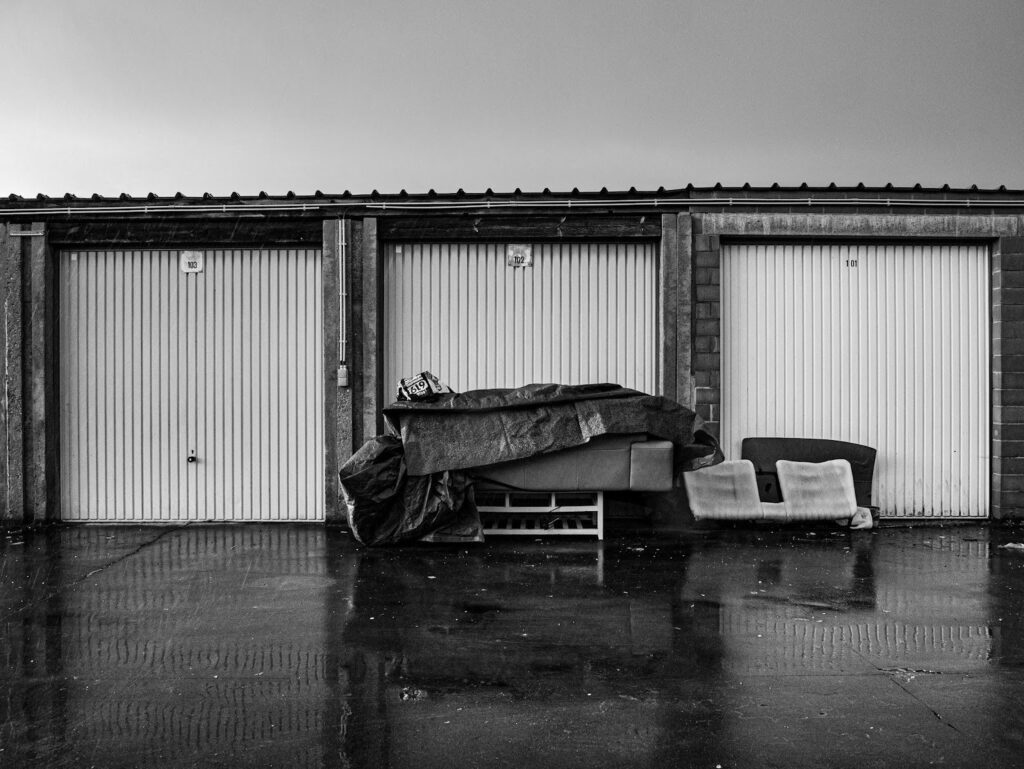
Treat the garage like a back-of-house storeroom, not a dumping ground. Clear the floor first, then install sturdy shelves that match the height of your storage bins. Keep categories tight: sports, camping, tools, and home maintenance.
Avoid hanging heavy loads from ceiling joists unless the structure is rated for it. Floor-based racks and wall studs generally handle weight better than overhead fixings. Label both ends of every bin so you can read them from any angle.
Create a once-a-quarter calendar reminder to purge and re-sort. If a bin has not been opened in a year, consider donating or moving the contents off-site for long-term storage. The garage will feel bigger the minute the floor is clear.
Clean, simple steps can unlock real space without a single renovation. Start with one zone you see every day, like the entry or the bed, and give it a job. When each area has a clear purpose, clutter has nowhere to hide.
As life shifts, let your storage shift with it. Edit once a season, upgrade a piece when it earns its place, and keep overflow nearby but out of the way. Small, steady moves will make your home feel bigger year-round.